


December 15, 2022

Ambuja's Watershed Intervention Reduces Soil Erosion

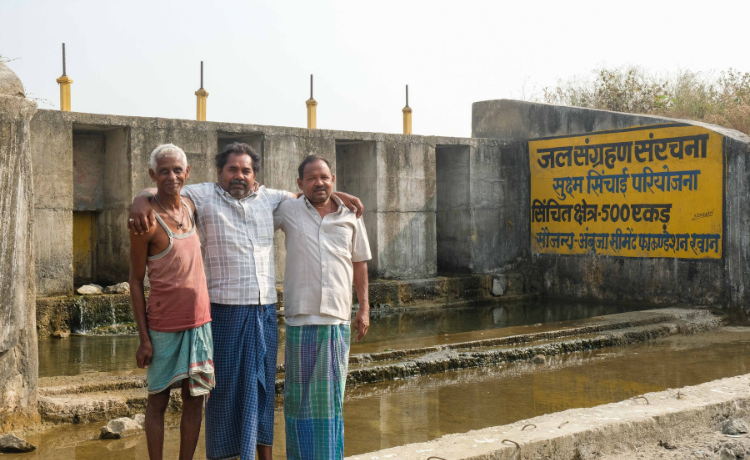
In the terrain of Darlaghat, water is the most common challenge due to the pressing issues of soil erosion, eradication of the green cover, and reduction in agricultural produces in the hills. To address these issues, Ambuja Foundation collaborated with NABARD and developed a Ridge to Valley approach and worked on proper management of agriculture land and drinking water availability.


AmbujaFoundationensured collective action of the community by first creating awareness amongst the people, then building farm bunds and Gabion structures. This has resulted in the rise of water table, increase in green cover and increase in fodder for dairy farming. Through various water management interventions with full participation of the community, around 6325 hectares of land has been treated. Currently, Ambuja has 9 watersheds in the state.

uploaded picture


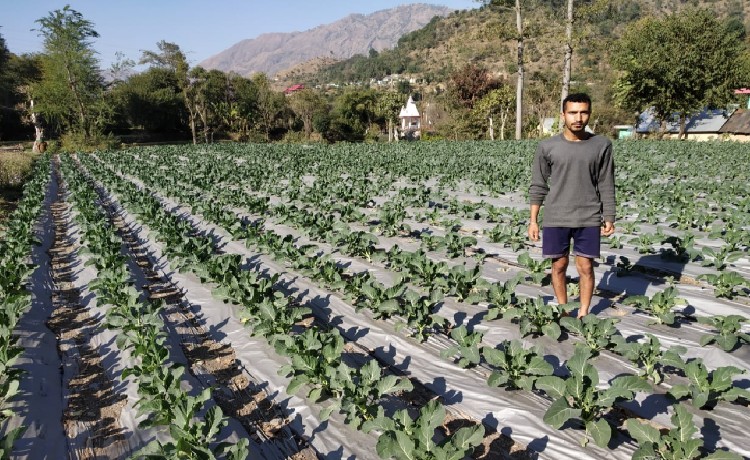
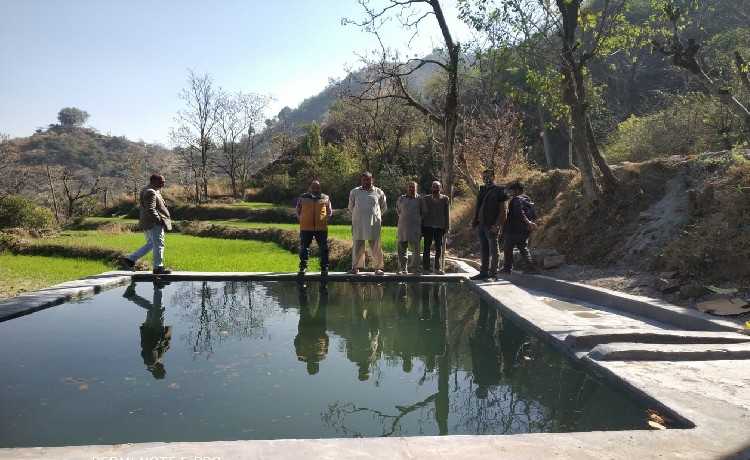
Ambuja Foundation Darlaghat has been continuously doing various activities for soil and moisture conservation in our area with the concept of Top to Bottom approach. Watershed and climate-proofing activities are also improving soil health in the area. Under these projects, the crop rotation done by the farmers is possible after the availability of the water so the requirement of water for particular crops could be ensured through the construction of polyline tanks, water storage tanks and check dams. The water reached the farmer's field through gravity-based irrigation channels. The farmers are able to timely sow crops due to the water availability to adopt crops through crop rotation.


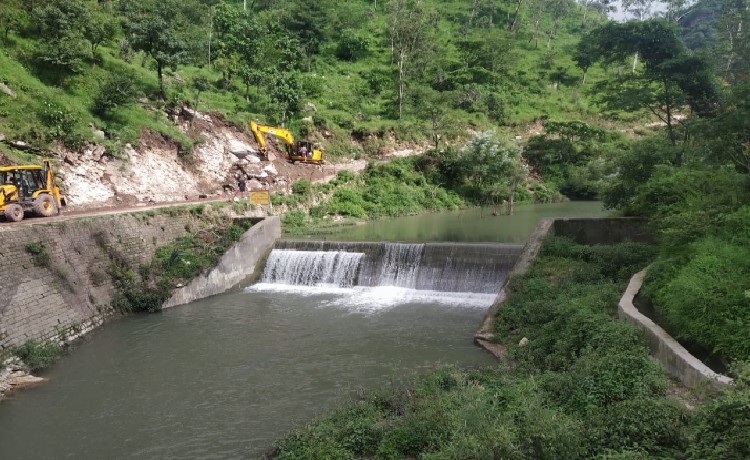
The soil erosion also decreased through providing engineering and non-engineering measures. At top area, the plantation was done to ensure the canopy in this area and increase the possibilities of recharging of rain water. To reduce the water velocity from upper catchment areas to downwards various engineering structures have been constructed in nalas like loose stone check dams, gabion structures and check dams which resulted to hold the water and reduce the velocity of water. The reduction of velocity of water have drastically reduce the soil erosion.

uploaded picture


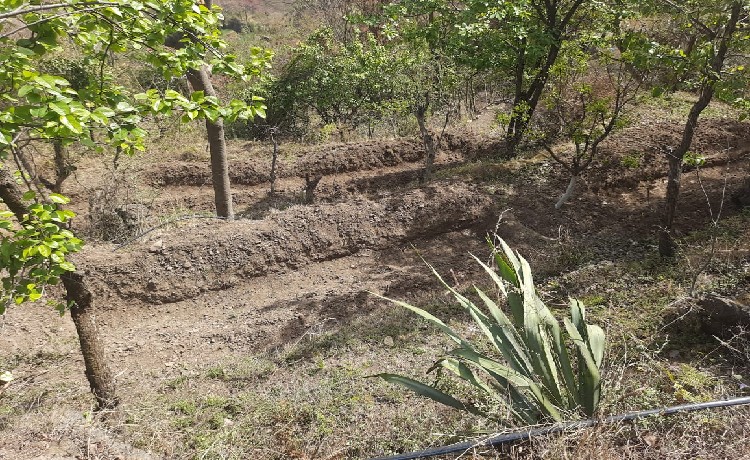
The trenching completed in waste land hold the rain water and bunding in the private land has not allowed the water to go outside of the field and to save flowing of top soil. It retains the top soil with in the farmer’s field.


Climate resilient farming practices like crop rotation, pulses cultivation, use of vermicomposting and intercropping are improving soil organic carbon and availability of other nutrients in the soil and making is more productive. Soil moisture has also been retained for longer period through farm bunding, plantation of fodder tree and grasses on bunds, toe trenches in plantation area. Use of bio fertilizer, bio pesticides, bio control agents and self-made natural farm inputs has also improved soil structure and soil health. Increased irrigation facilities through construction of Kuhls and water storage structures have also improved the soil productivity and facilitating timely sowing and intercultural practices. The farmer’s data of soil testing was also done every year so the data is also shows that the organic carbon in the soil has also increased

uploaded picture.


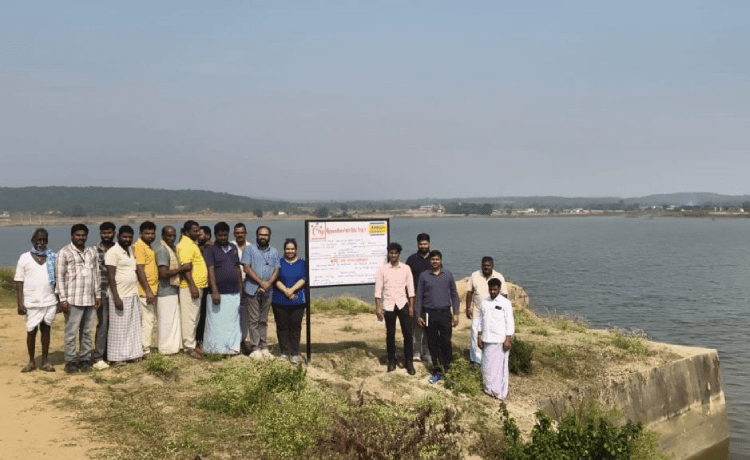
Furthermore, several activities like contour trenches, construction of ponds, water storage tanks and check dams have been built via Watershed Committees to stop soil erosion in the area. The Village Watershed Development Committee of Patti Badog also received an award for the Best Performance for this project.


Ambuja Foundation's watershed development project in Darlaghat was awarded the ‘Best Project Implementation Agency’ by NABARD in 2022.
December 15, 2022

RELATED POSTS
  • Farmers Prosper in Thach, Darlaghat
    February 13, 2017
    Farmers in Thach Village have seen an increase in annual income of between Rs. 20,000-50,000, thanks to the construction of a 52500 litre capacity water storage tank for collection of natural water, along with irrigation channels - benefiting 12 households and 1.5 hac of land.
  • Pearl Tiwari on CNNs 'Jal Daan'
    February 13, 2017
    Ambuja Foundation's Director, Pearl Tiwari, featured on CNN in December 2016 as part of Aquaguard & Network 18's 'Jal Daan' program - a 6 month national awareness campaign to create cognizance and highlight the importance of water for both urban and rural India.
  • Water Forum - 22nd March, Ahmedabad
    February 13, 2017
    The availability and sustainable management of water and sanitation for all will be the key agenda for discussion at the upcoming WATER FORUM, facilitated by Ambuja Foundation on 22nd March 2017 in Ahmedabad, Gujarat.
  • Ambuja Foundation Unites Leaders for 'World Water Day'
    April 28, 2017
    Ambuja Foundation commemorated the World Water Day 2017 by bringing together 133 leaders in Water Resource Management from across the country for 'A Participatory Dialogue on Co-creating Water Positive Communities - Exploring Synergies, Sharing Solutions'.
  • Ambuja Foundation Wins CII National Water Award
    October 08, 2017
    Ambuja Cement Ltd was conferred with the prestigious 'CII National Water Award for Excellence in Water Management' on 5th September 2017.
An Opportunity to Support
SUBSCRIBE TO OUR NEWSLETTER & BLOGS
Stay updated on the latest insights from Ambuja Cement Foundation.
GET CONNECTED

Ambuja's Watershed Intervention Reduces Soil Erosion

In the terrain of Darlaghat, water is the most common challenge due to the pressing issues of soil erosion, eradication of the green cover, and reduction in agricultural produces in the hills. To address these issues, Ambuja Foundation collaborated with NABARD and developed a Ridge to Valley approach and worked on proper management of agriculture land and drinking water availability.


AmbujaFoundationensured collective action of the community by first creating awareness amongst the people, then building farm bunds and Gabion structures. This has resulted in the rise of water table, increase in green cover and increase in fodder for dairy farming. Through various water management interventions with full participation of the community, around 6325 hectares of land has been treated. Currently, Ambuja has 9 watersheds in the state.


uploaded picture


Ambuja Foundation Darlaghat has been continuously doing various activities for soil and moisture conservation in our area with the concept of Top to Bottom approach. Watershed and climate-proofing activities are also improving soil health in the area. Under these projects, the crop rotation done by the farmers is possible after the availability of the water so the requirement of water for particular crops could be ensured through the construction of polyline tanks, water storage tanks and check dams. The water reached the farmer's field through gravity-based irrigation channels. The farmers are able to timely sow crops due to the water availability to adopt crops through crop rotation.


The soil erosion also decreased through providing engineering and non-engineering measures. At top area, the plantation was done to ensure the canopy in this area and increase the possibilities of recharging of rain water. To reduce the water velocity from upper catchment areas to downwards various engineering structures have been constructed in nalas like loose stone check dams, gabion structures and check dams which resulted to hold the water and reduce the velocity of water. The reduction of velocity of water have drastically reduce the soil erosion.


uploaded picture


The trenching completed in waste land hold the rain water and bunding in the private land has not allowed the water to go outside of the field and to save flowing of top soil. It retains the top soil with in the farmer’s field.


Climate resilient farming practices like crop rotation, pulses cultivation, use of vermicomposting and intercropping are improving soil organic carbon and availability of other nutrients in the soil and making is more productive. Soil moisture has also been retained for longer period through farm bunding, plantation of fodder tree and grasses on bunds, toe trenches in plantation area. Use of bio fertilizer, bio pesticides, bio control agents and self-made natural farm inputs has also improved soil structure and soil health. Increased irrigation facilities through construction of Kuhls and water storage structures have also improved the soil productivity and facilitating timely sowing and intercultural practices. The farmer’s data of soil testing was also done every year so the data is also shows that the organic carbon in the soil has also increased


uploaded picture.


Furthermore, several activities like contour trenches, construction of ponds, water storage tanks and check dams have been built via Watershed Committees to stop soil erosion in the area. The Village Watershed Development Committee of Patti Badog also received an award for the Best Performance for this project.


Ambuja Foundation's watershed development project in Darlaghat was awarded the ‘Best Project Implementation Agency’ by NABARD in 2022.
LinkedIn Post
Ambuja Foundation