How climate change touches every part of rural life – and why it runs through all six of Ambuja Foundation’s thrust areas
In rural India, life has long moved to the rhythms of nature. The monsoon signals when fields are sown. Crops are grown and harvested as per season. Rain replenishes wells, and healthy soils sustain crops. For millions of rural households, these natural cycles are the foundation of livelihoods, food security and economic survival.
But these rhythms are becoming increasingly unpredictable. Monsoons arrive late, dry spells stretch and temperatures rise beyond familiar seasonal patterns. When the natural systems communities depend on begin to falter, the consequences extend far beyond the fields. A failed harvest can mean lost income, mounting debt and difficult choices about household spending. Water scarcity can increase women’s workloads, while declining incomes can disrupt children’s education and access to healthcare.
For communities with limited savings and few alternatives, climate change can turn an environmental shock into a household crisis.
In this way, climate resilience cuts across all six of Ambuja Foundation’s thematic areas, because building resilient rural communities is not just about protecting the natural resources they depend on, but also about strengthening their livelihoods, expanding opportunities and helping them adapt to an increasingly uncertain future.
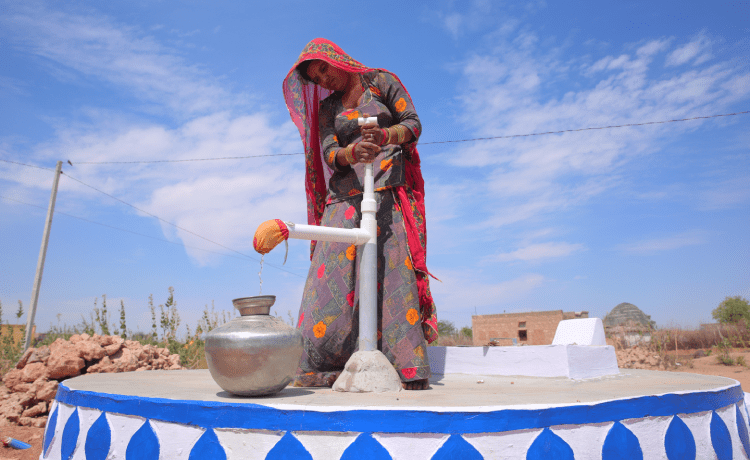
Water: Making every drop count
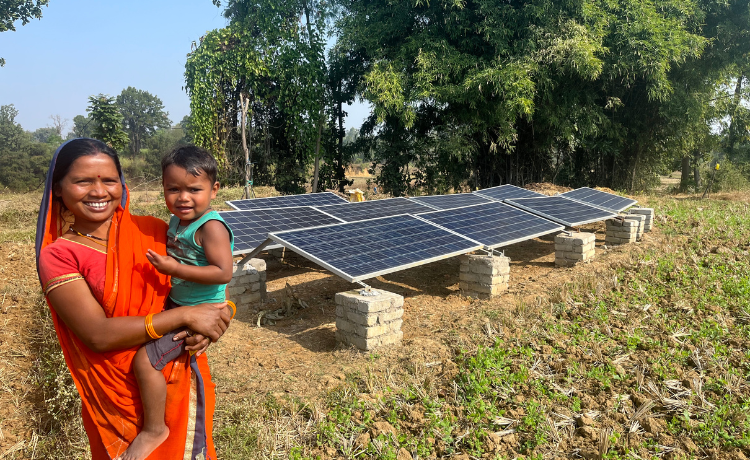
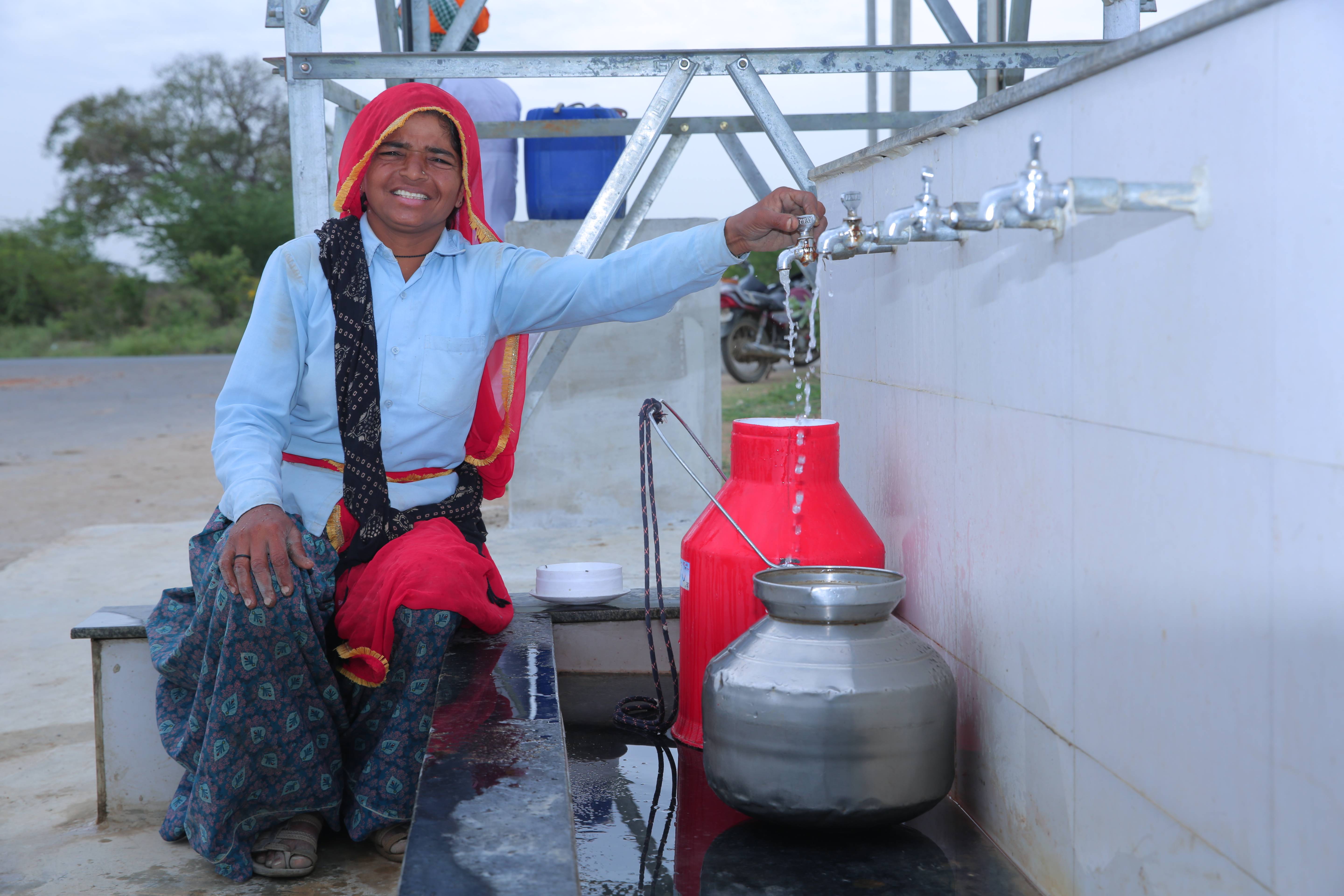
When rainfall becomes erratic, capturing and conserving water becomes critical. Water harvesting, farm ponds, groundwater recharge and micro-irrigation can help farming communities make better use of available water and sustain crops through dry spells. Equally important is the collective management of shared water resources via strong people’s institutions, ensuring that limited supplies are used sustainably. By working with natural processes to conserve water and replenish local resources, we help strengthen the foundations of rural livelihoods.
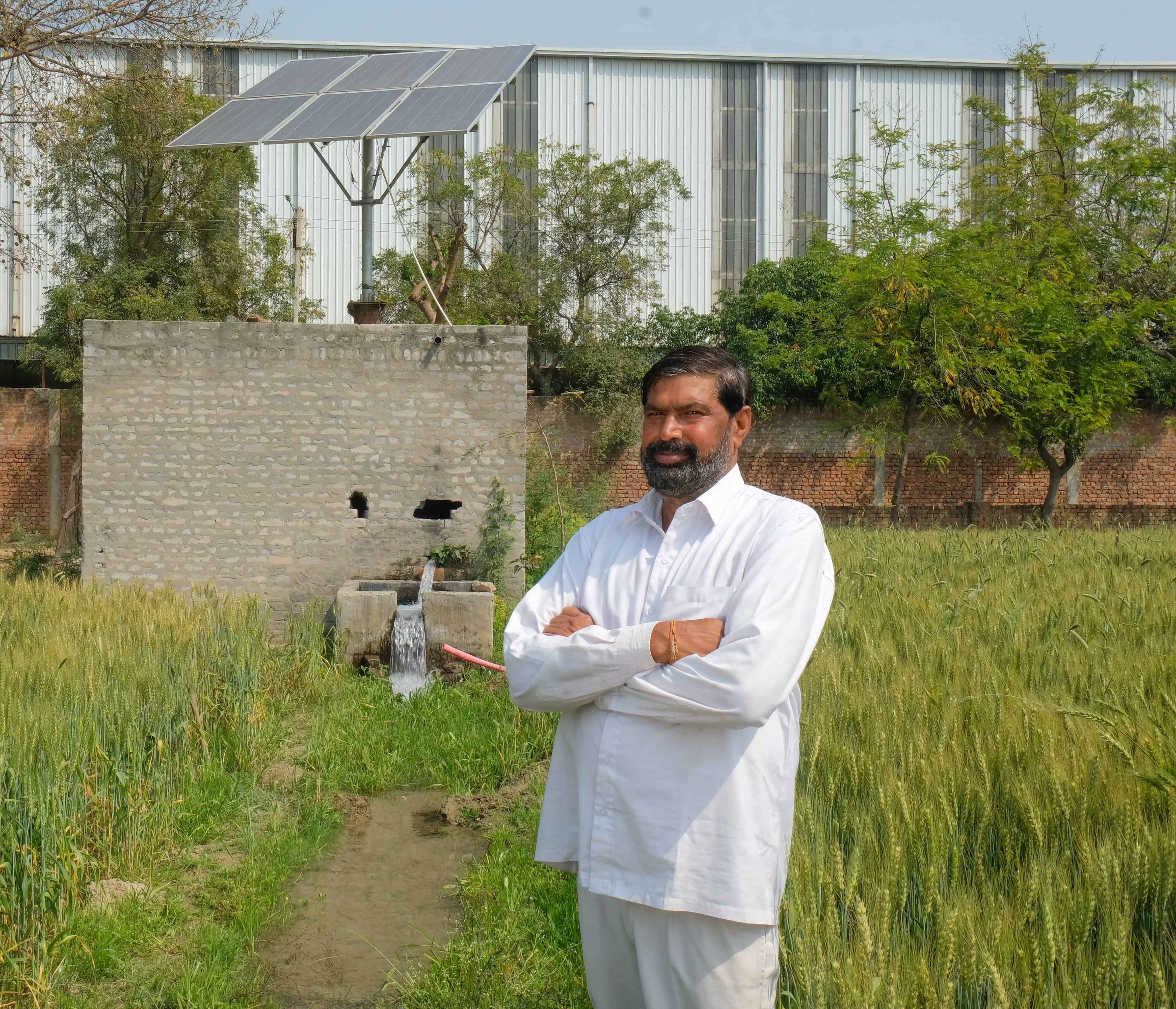
Agriculture: Working with nature
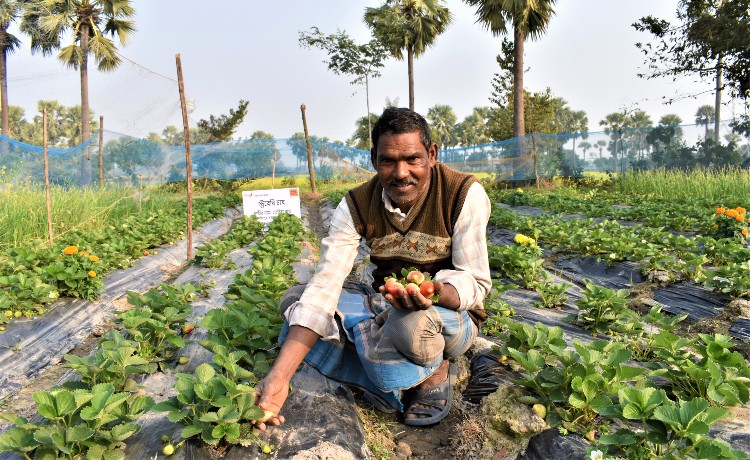
For farmers, changing weather means greater uncertainty around sowing, yields and input costs. Healthier soils, efficient irrigation, greater farm biodiversity and sustainable agricultural practices can help reduce vulnerability. Ambuja Foundation works with farmers to learn and adopt approaches suited to their local conditions, including regenerative practices and viable alternatives to costly chemical inputs. The aim is to protect the natural resource base while helping farmers manage costs and sustain productivity through increasingly uncertain seasons.
Skills: Broadening livelihood options
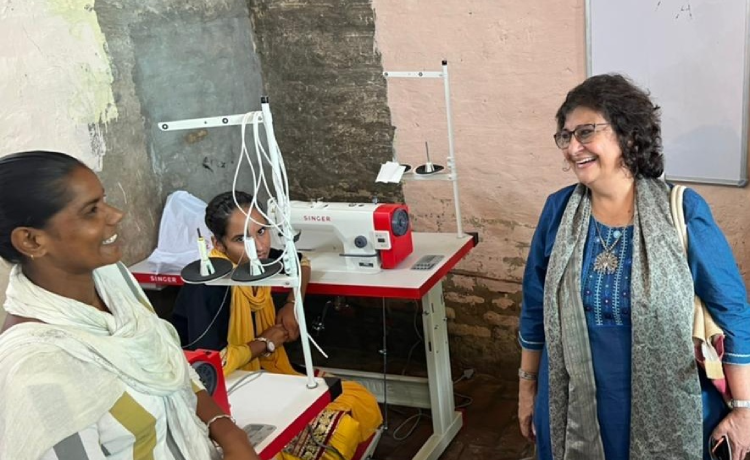
When a household depends on a single crop, a poor season can affect its entire income. Poultry, livestock, aquaculture, micro-enterprises and employment beyond agriculture can provide alternative sources of income. Ambuja Foundation works with households to develop allied agriculture as an additional income source, and through its Skill and Entrepreneurship Development Institutes (SEDI), equips young people with skills for employment and entrepreneurship – helping families diversify their livelihoods and income streams.
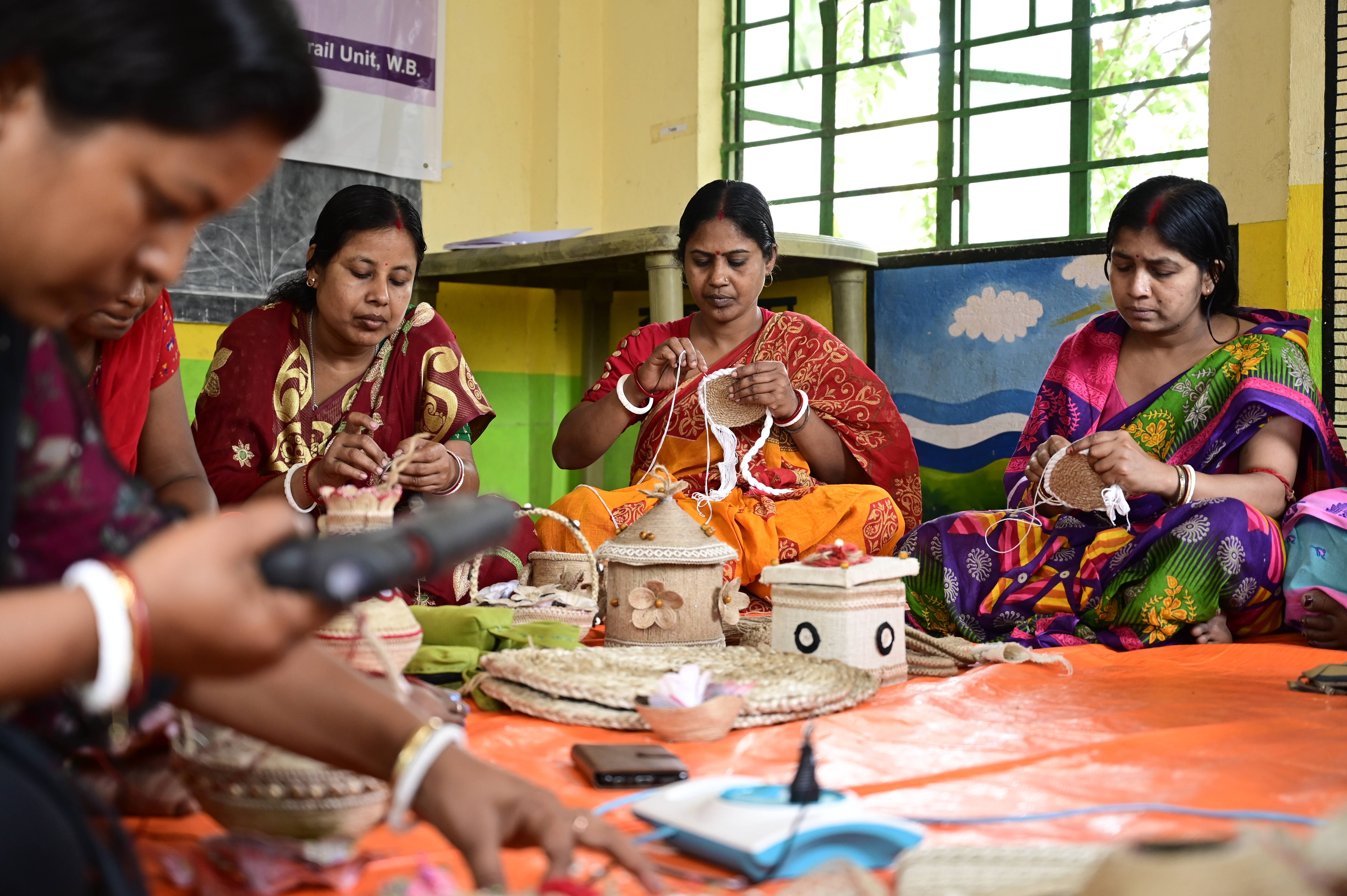
Women: Strengthening household resilience
Water scarcity and declining agricultural incomes can intensify the pressures women face in managing household resources and care responsibilities. Yet women are also central to building resilience. Through self-help groups, savings and the development of micro-enterprises, Ambuja Foundation supports opportunities for women to strengthen their economic participation. Their involvement in community institutions also helps to shape decisions about shared resources and local priorities.
Health: Protecting wellbeing
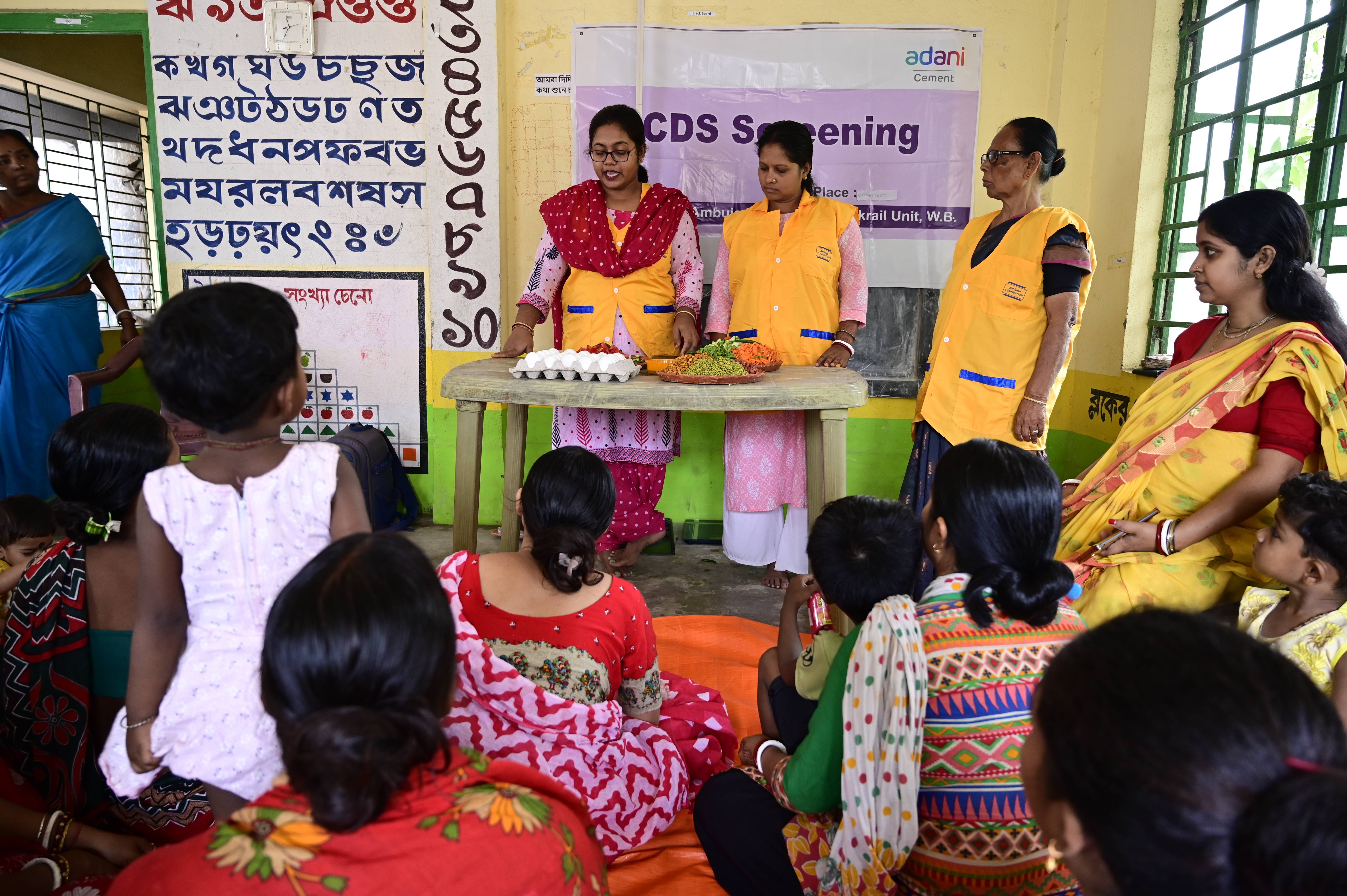
Extreme heat, unsafe water and food insecurity can compound existing health risks, particularly for those whose livelihoods depend on outdoor work. When incomes fall and uncertainty grows, the strain can extend to mental health, adding to the stress of managing household needs and an uncertain future. At the same time, financial pressures can make it harder to seek timely support. Through its work in health awareness, prevention and access to essential services, Ambuja Foundation helps communities address these interconnected challenges and protect both physical and mental wellbeing.
Education: Keeping futures open
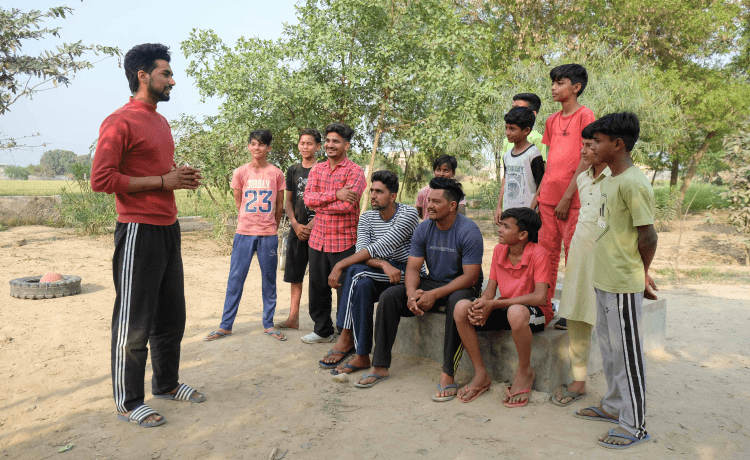
Climate-related income losses and migration can disrupt children’s education, while increased household responsibilities may affect the time available for learning. Education helps protect future opportunities, equipping young people with the knowledge and capabilities to navigate a changing world. By supporting education, Ambuja Foundation contributes to the long-term capacity of rural communities to adapt and thrive.
One changing climate, an interconnected response
These areas cannot be viewed in isolation. Water security supports agriculture; diversified livelihoods help households withstand a poor harvest; women’s economic participation strengthens financial security; and health and education protect wellbeing, livelihoods and future opportunities.
The solutions must also reflect local realities. The needs of a rain-fed community in Maharashtra differ from those of a village in Gujarat or Himachal Pradesh. Understanding local landscapes and livelihoods, listening to communities and drawing on scientific evidence are essential to identifying approaches that work.
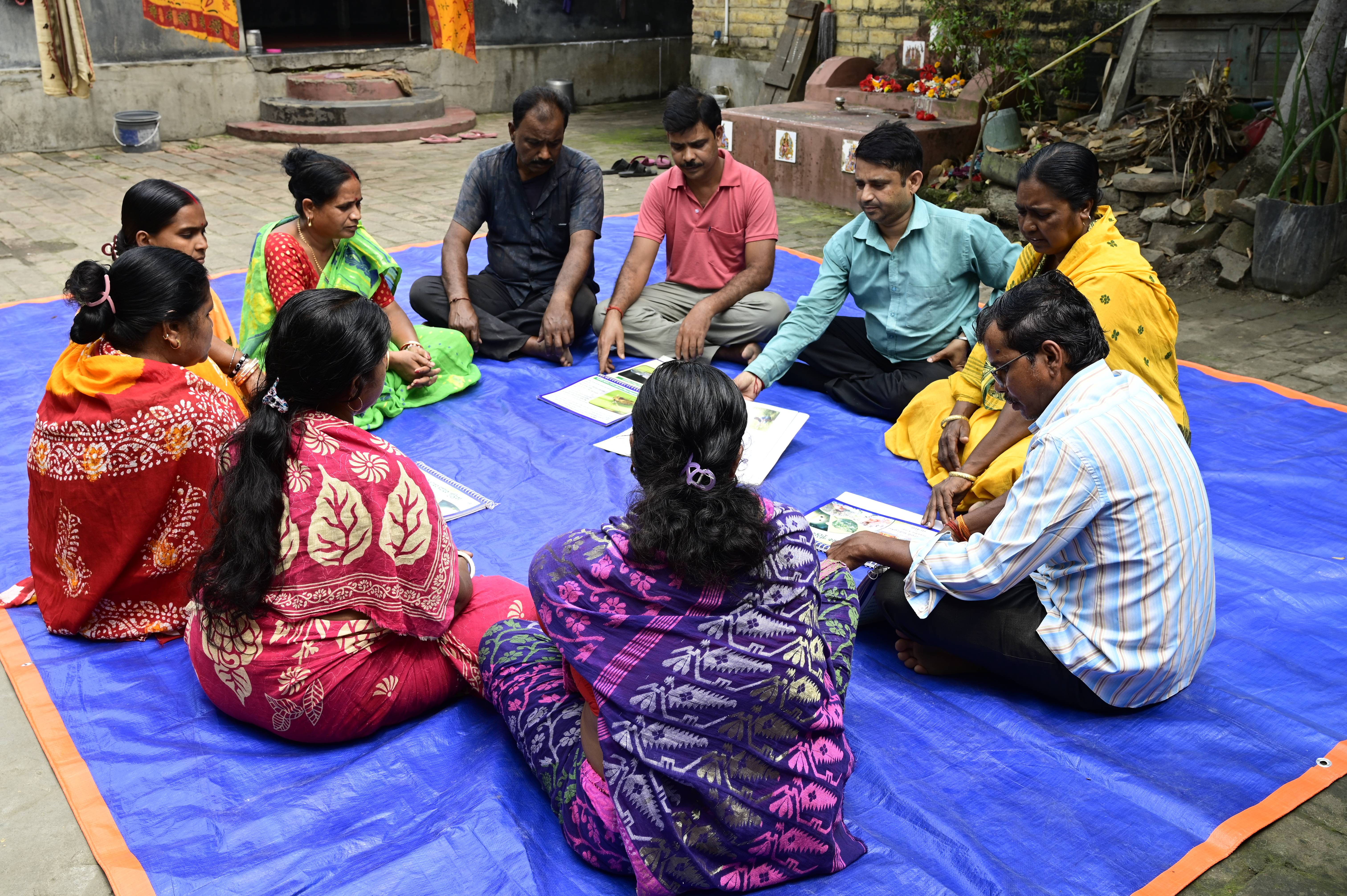
At Ambuja Foundation, nature-based solutions are central to strengthening the natural foundations of rural livelihoods. But lasting resilience also depends on helping people adapt their practices, diversify their incomes and strengthen the community institutions that enable them to manage shared resources, make collective decisions and respond to change.
The weather may no longer follow familiar patterns. But by working with nature, strengthening livelihoods and building robust local institutions, we can help rural communities develop the collective capacity to navigate uncertainty and build a more resilient future.