


November 15, 2022

Coloured Cabbage Pays Dividends

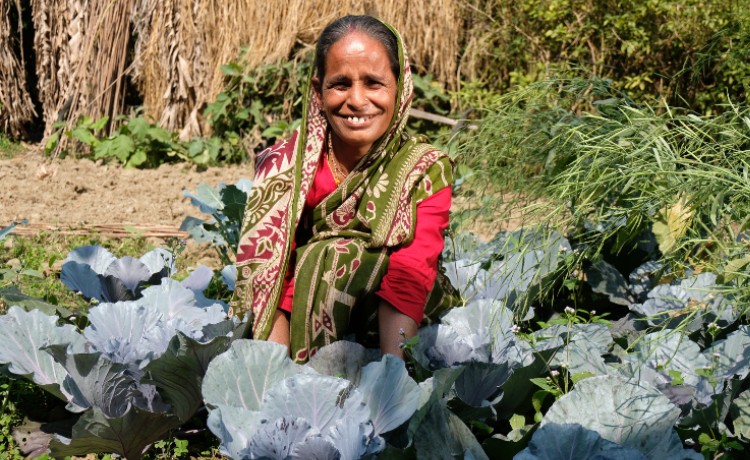
“I was very passionate about trying my hand at growing vegetables, but could not convince my husband to let me try it. I secretly attended a training course by Ambuja Foundation and with their guidance and support, I found a way to get through to my husband. He finally gave me 10 katha (7,200 sq ft) of land to cultivate on my own.


With my own hands, I planted and tended to coloured cabbage. I poured in a lot of love to those plants. And when it came time to sell them, they drew a price of Rs.35 per piece when an ordinary cabbage was being sold for just Rs.5. After that, my husband sat up and listened to me … and I’ve been farming ever since.” - Pratima Mondal, Karatberia village, Sankrail, West Bengal.
November 15, 2022

RELATED POSTS
  • When Rural Women Reach Markets, Livelihoods created
    June 05, 2026
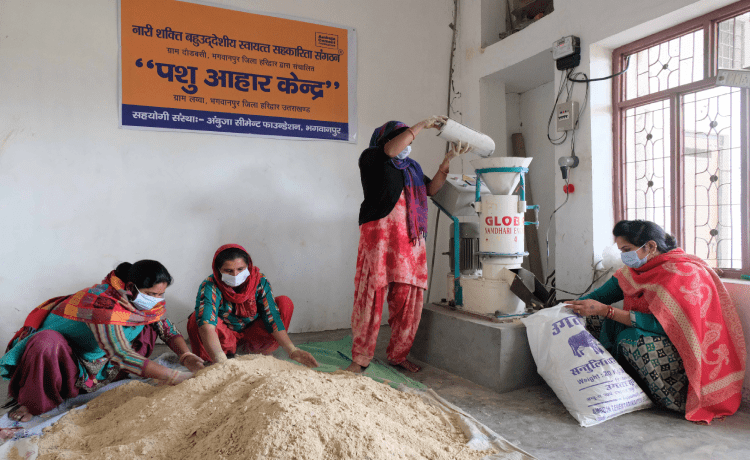
    The Nari Shakti Federation in Uttarakhand had built a successful enterprise selling cowdung cakes — an eco-friendly product based on traditional rural practices and the increasing demand for traditional, eco-friendly products. But there was one problem: the product was packaged in plastic.
  • Seven Years On: How Ambuja Foundation is Redefining Women’s Role in Cotton
    May 26, 2026
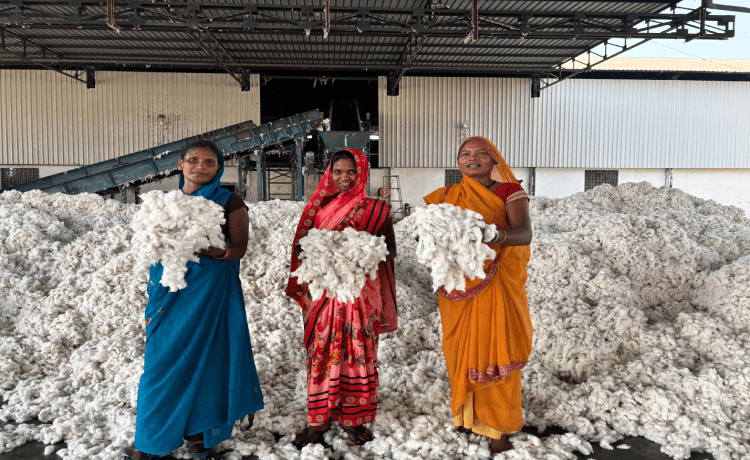
    Across India’s cotton fields, women have always been present—sowing seeds, tending crops, managing livestock, and sustaining households. Yet for decades, their contributions remained largely invisible—unrecognised within formal agricultural systems and excluded from decision-making
  • The Cotton Queens of Chandrapur
    September 19, 2025
    In the heart of Chandrapur’s Rajura block lies Devada, a quiet farming village where cotton reigns supreme. With 264 of its 298 households cultivating over 2200 acres, agriculture is more than a livelihood—it’s a way of life. But it was defined by outdated practices, limited tools and little access to credit.
  • The Bouri Sisters
    September 19, 2025
    In Banli village of Chandi gram panchayat, Himachal Pradesh, access to water was a daily struggle. For decades, women carried water from a traditional bouri—a small natural well that collects rainwater and is used for irrigation or drinking.
  • Women Hold Up Half The Sky
    June 02, 2025
    India is home to the fourth-largest agricultural sector in the world and a crucial part of the country’s economy. As agranian labour, women’s participation has always been significant, with estimates ranging from 63% to 80%.
An Opportunity to Support
SUBSCRIBE TO OUR NEWSLETTER & BLOGS
Stay updated on the latest insights from Ambuja Foundation.
GET CONNECTED