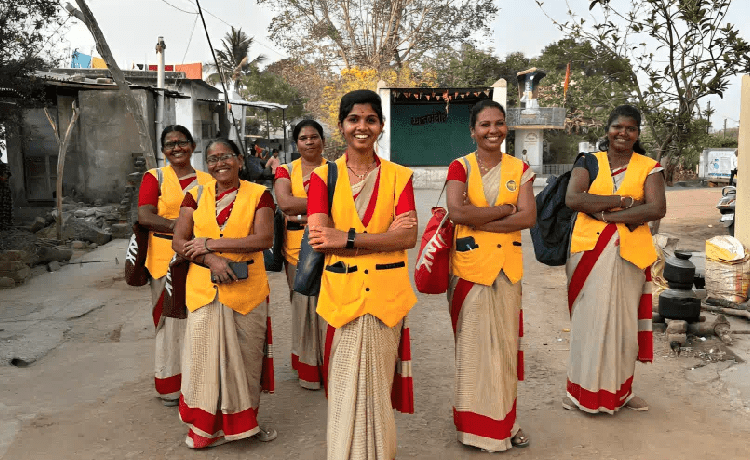



A frail young woman, barely 20, walks into a public health clinic and faints. She had gone there from her village in Farakka, West Bengal, for a prenatal check-up. In Chandrapur, Maharashtra, a teenager is weeping as she talks to the Ambuja Foundation Sakhi. She is distressed that her mother is accusing her of doing something wrong with a boy because her menstruation stopped a few months ago. In a tribal area nearby, 55 people test positive for sickle cell disease. Somewhere in rural India, the women of the house sit down to their meal after all the men have been served, there's no fish left for them. They'll make do with the bones.
Each of these stories relates to anaemia, a disorder that's on the rise across the nation, ravaging the lives of women and children. Bringing with it all the perils of low red blood cell count – there isn’t enough haemoglobin in the body to carry oxygen to the organs and tissues. Weakness and chronic fatigue, prenatal and postnatal distress, infant mortality, and compromised physical and mental health development ensue. A silent menace, anaemia is also lowering productivity all around.
The State of Anaemia in India
Despite the Government's Anaemia Mukt Bharat initiative launched in 2018, the National Family Health Survey (NHFS) 5 reports a significant increase in anaemia, affecting nearly 60% of women in the age group of 15 to 49. The numbers have gone up alarmingly for young children too. More women and girls are impacted across all categories. They represent the future and hold together the present, they are, and will be, mothers and more - running homes, studying hard in schools, working in offices, factories, and the fields, giving birth, tending the young, feeding the family, educating the kids...
Anaemia can be caused by poor nutrition, infections, chronic diseases, heavy menstruation, pregnancy issues and family history. It is often caused by a lack of iron in the blood. The good news is, anaemia is preventable and treatable. But anaemia is often ignored - accepted as a normal part of being a girl or a woman, it presents itself largely through ‘invisible symptoms’ such as fatigue, weakness, dizziness, headache, shortness of breath and reduced physical strength. As such, it is taking its toll on the productivity and wellbeing of many.
Tackling Anaemia: A Complex Issue
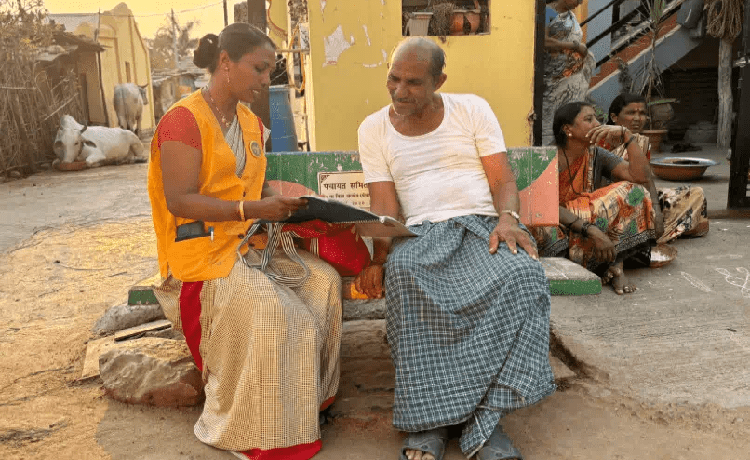
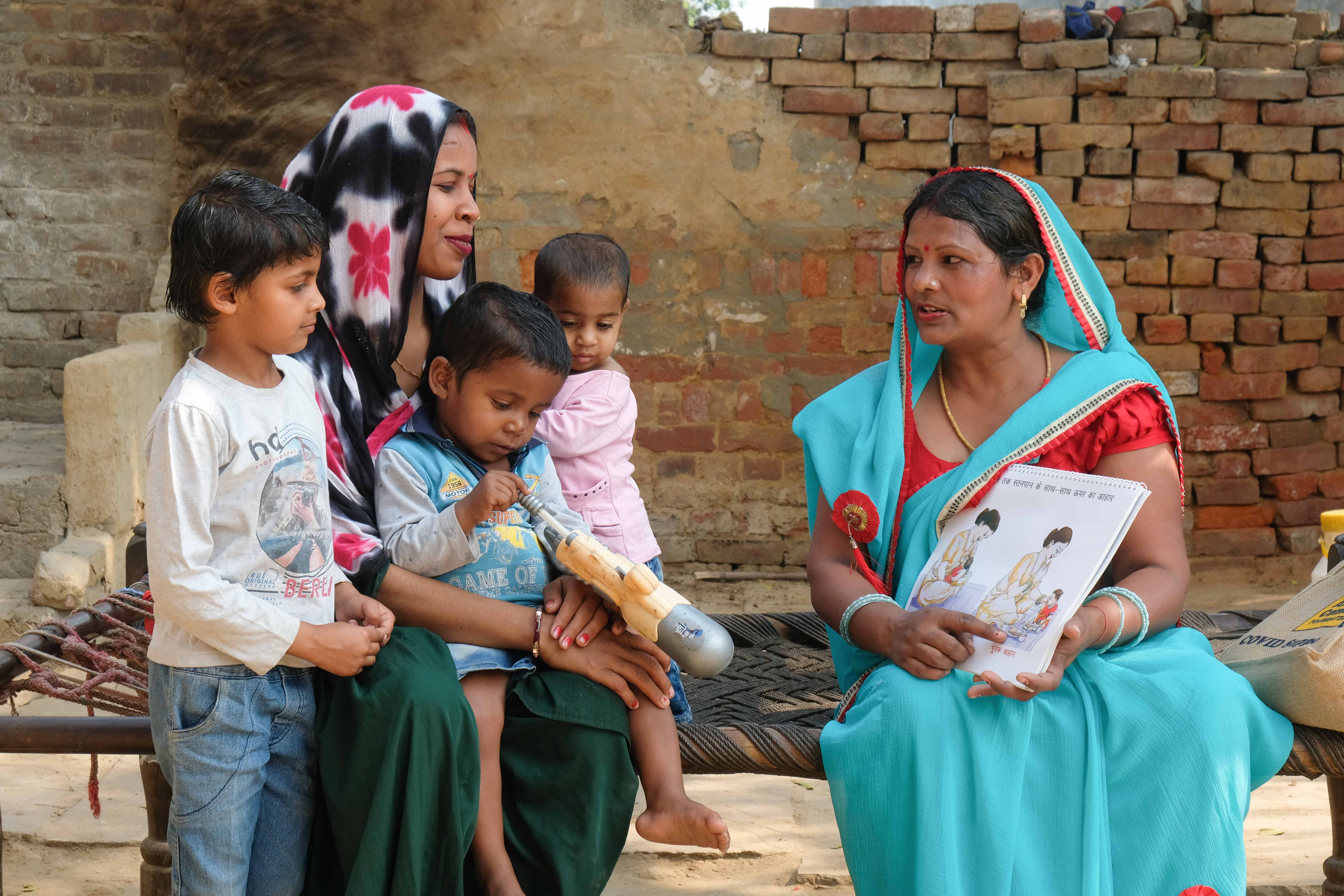
Adopting a holistic approach to anaemia control, Ambuja Foundation focuses on maternal and child health, targeting these specific groups: young couples and newly married women, pregnant and lactating women, adolescent girls, and children up to the age of six. While devising interventions in villages, the health team has discovered the issue is complex, and to get to the core of it takes time.
For instance, the Government runs the free weekly iron folic acid supplementation or WIFS programme in schools. But many children don't take the tablet at all, some even throw it away – as parents don't appreciate the supplement's value, or feel it causes constipation or some other discomfort. This certainly comes from a lack of awareness and, therefore, parents are involved and educated right from the beginning during intervention.
There are more difficult hurdles. Anaemia can be cured – or even prevented – with good nutrition. Food rich in proteins helps raise haemoglobin levels. However, economic reasons apart, there are cultural norms that come in the way of this. Patriarchy plays a damaging role. Women often get to eat less protein, as observed by the Ambuja Foundation team in West Bengal and elsewhere. The best of food is reserved for men and boys.
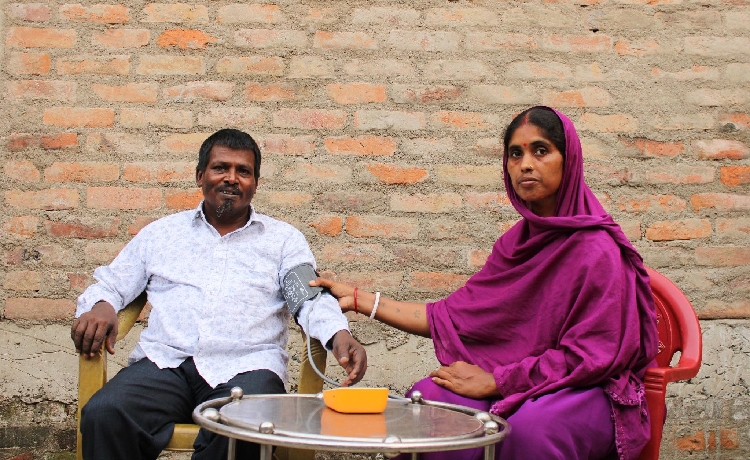
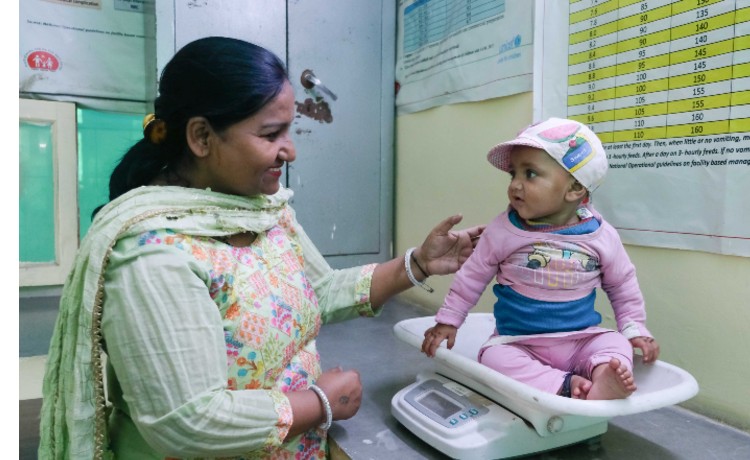
Women in these areas get married young, sometimes long before they are eighteen. Typically, frail and underweight, they usually conceive soon after marriage. This affects both the mothers-to-be and the child. During monthly visits, Ambuja Foundation counsel young couples on planning their family, while providing folic acid supplements. Working in tandem with block doctors, pregnant and lactating women are helped with monthly check-ups and weight checks. It was during a visit to the clinic that the young pregnant woman fainted. Her haemoglobin had fallen to 4 g/dl. She was rushed to a hospital and given blood immediately. Her haemoglobin levels are improving.
The Ambuja Foundation Approach
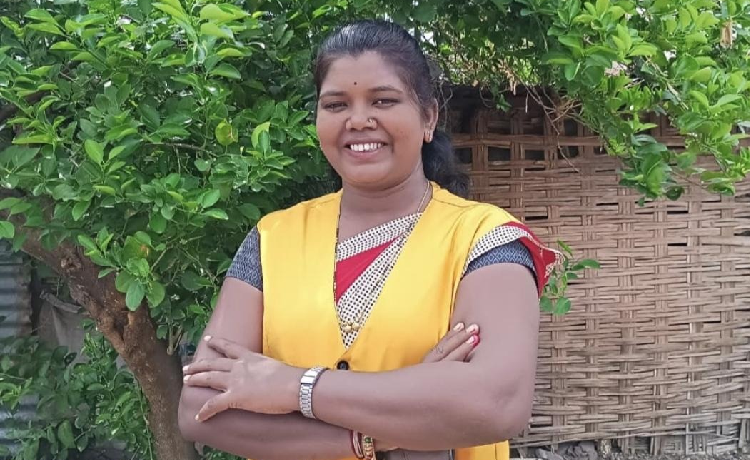
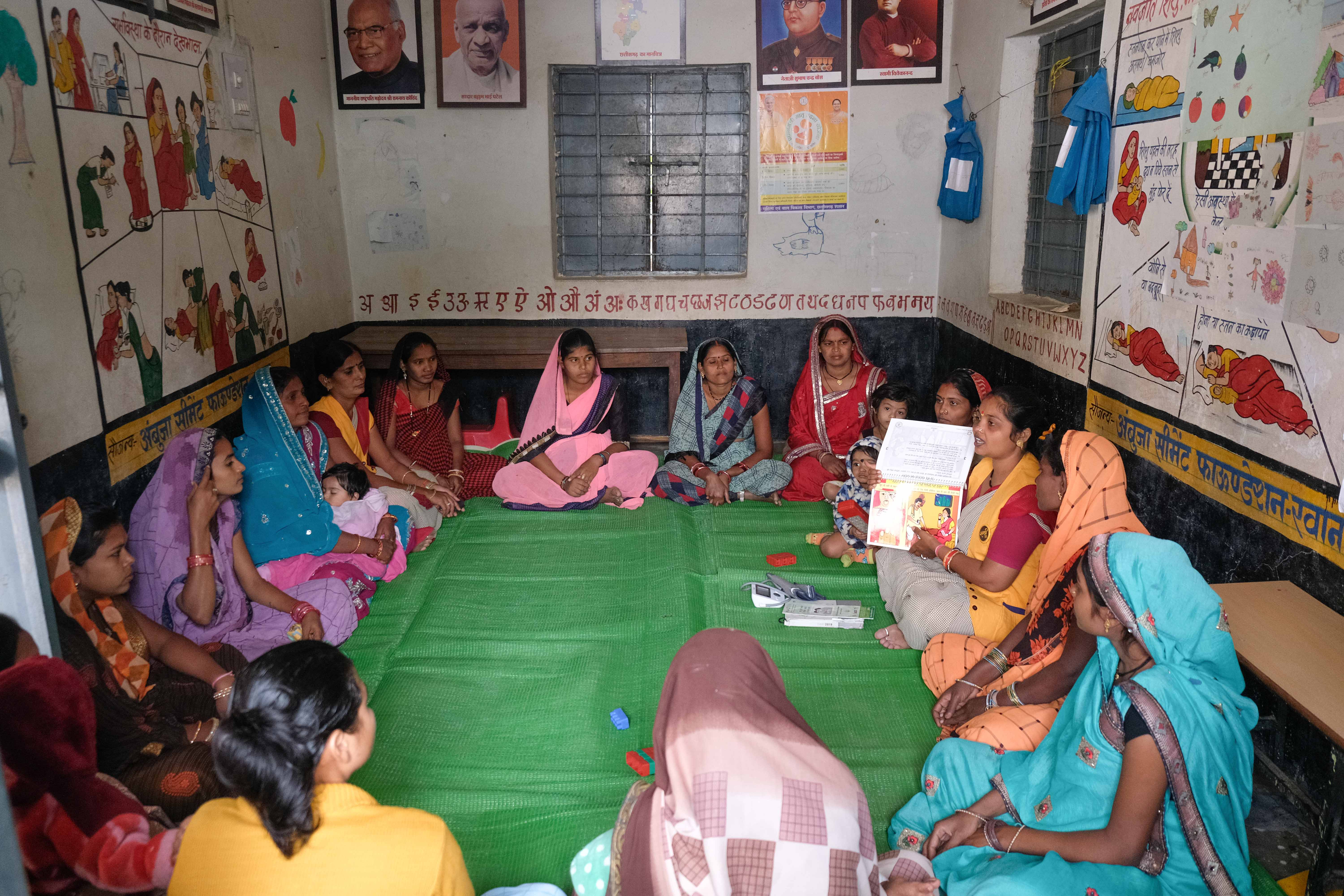
Ambuja Foundation speaks to women in a sustained way about the necessity of eating well; acquainting them with better ways to prepare food. They are taught to use available ingredients more effectively. Simple things, like adding grated beetroot to chapatis and parathas makes them more nutritious. Sakhis have worked with the women to create a preserve with beetroot, carrot, and a bit of gur. A couple of spoons taken daily has shown good results.
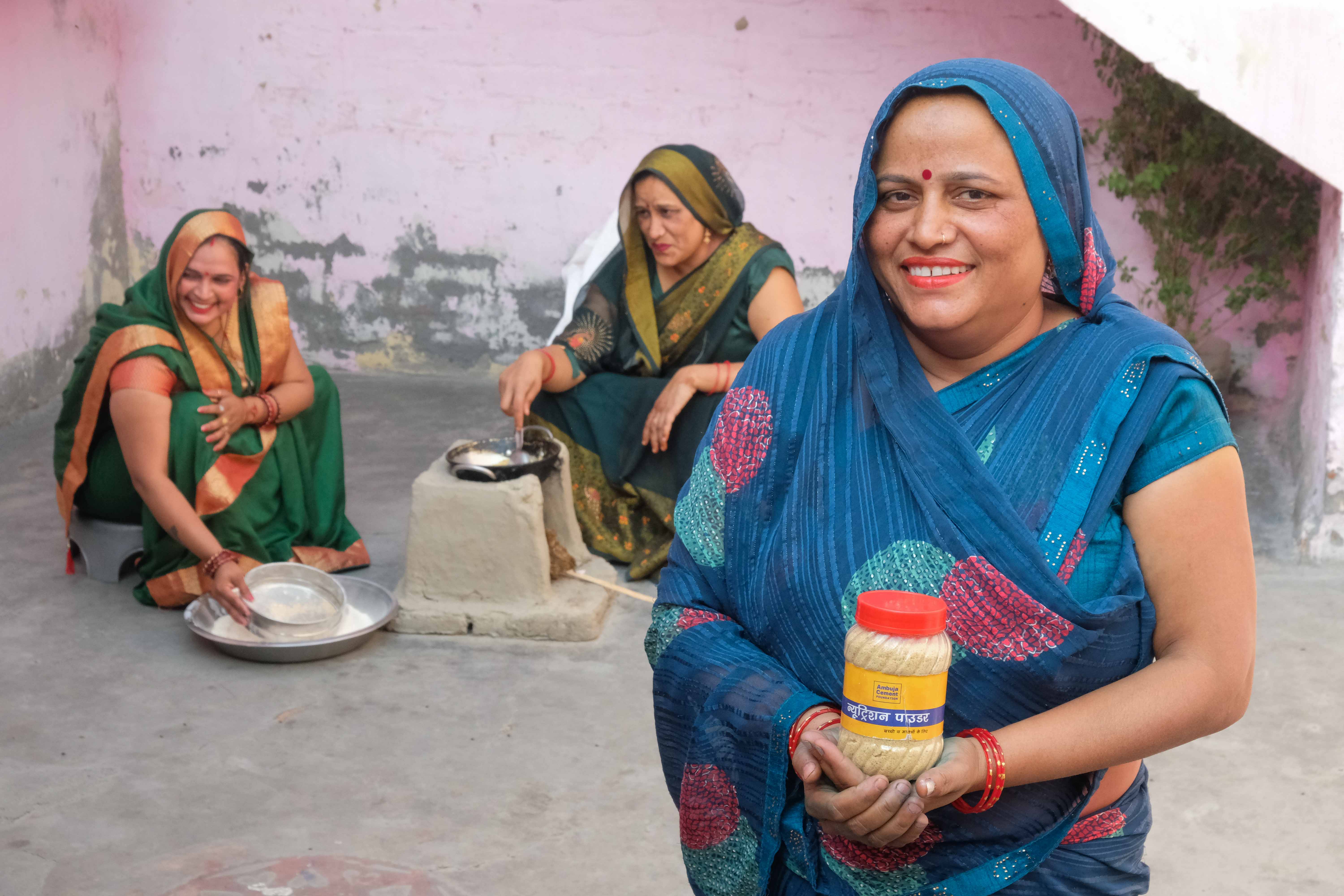
Wherever possible, the Ambuja Foundation team helps set up kitchen gardens and provides seeds, encouraging the growth and consumption of fresh vegetables; the micronutrients present in these are especially good for young children. About three years ago, in Dadri, UP, an initiative to make a protein powder with a mix of moong dal, wheat, besan, sooji, some dry fruits, and a little ghee has done well. Now a self-help group is producing and selling the protein powder to the women in the area as well as the Anganwadi centre, for a small profit.
Adolescents have their own issues. The girl whose mother suspected she was pregnant had actually stopped menstruating because of anaemia. Her haemoglobin had dropped to 5 g/dl. Once this was addressed, she recovered gradually. Mothers whose teenage children travel to faraway schools, since village schools don't offer higher classes, are being advised to pack tiffin for them so that they eat all their meals.
The Health team at Ambuja Foundation looks deeply into daily habits and culture to find ways to tackle the problem. There are of course, several other causes of anaemia. Amongst tribals, the incidence of sickle cell disease is high. Malaria and lack of hygienic practices take their toll. Interventions are tailored to address these.
A Long Road …
It's a long and demanding road to Anaemia Mukt Bharat. As Ambuja Foundation works intensely on the issue in the field, our knowledge and interventions grow. Targeted programs are designed to take women and children to a stronger and more productive future – for it is only with a strong healthy body, that they can reach their full potential, and help rural India prosper!