February 13, 2017

Farmers Prosper in Thach, Darlaghat

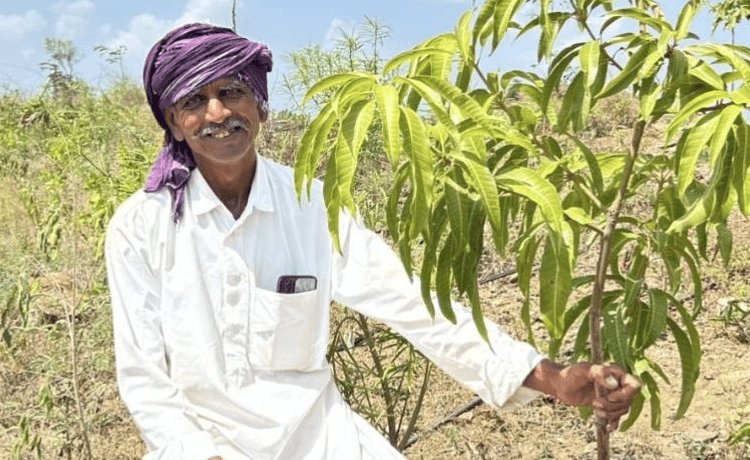
Farmers in Thach Village have seen an increase in annual income of between Rs. 20,000–50,000, thanks to the construction of a 52,500-litre capacity water storage tank for collection of natural water, along with irrigation channels—benefiting 12 households and 1.5 hectares of land.


The tank is part of initiatives implemented by communities in collaboration with Ambuja Foundation under the NABARD-funded watershed project in Daseran Panchayat through Jalagam Vikas Samiti Daseran. The total project area covers 925 hectares across 18 villages, with a project outlay of Rs. 1.41 crore.


With improved access to irrigation water, farmers experienced a 20–25% increase in production and were motivated to expand crop cultivation—opting for more vegetable crops, cash crops, and increasing crop rotation to 2–3 crops per year instead of 1–2 earlier.


One progressive farmer, Smt. Rita Devi, sold her potato crop worth Rs. 45,000. Some farmers have also started cultivating fodder crops, increasing income through additional milk production. Currently, about 2,800 litres of milk are supplied to Kam Dhenu Milk Society per month.
February 13, 2017

RELATED POSTS
  • Going Organic
    September 10, 2026
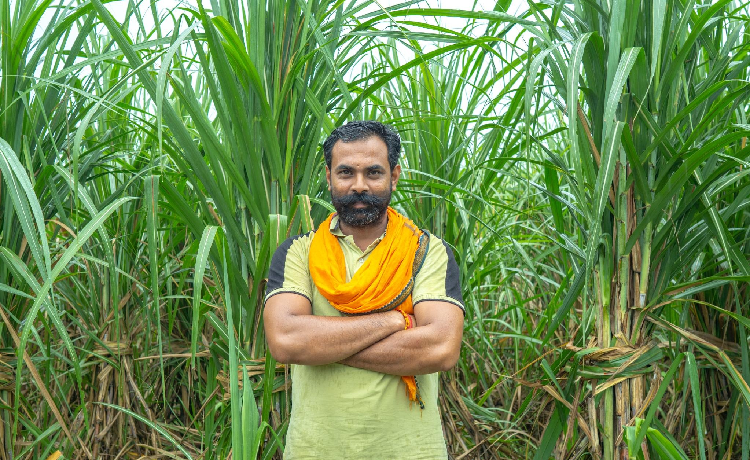
    For years, farming in Haridwar’s sugarcane belt followed a familiar pattern: more chemicals, more fertiliser, and rising cultivation costs. Productivity remained the priority even as soil fertility declined.
  • The Diversification Dividend
    September 10, 2026
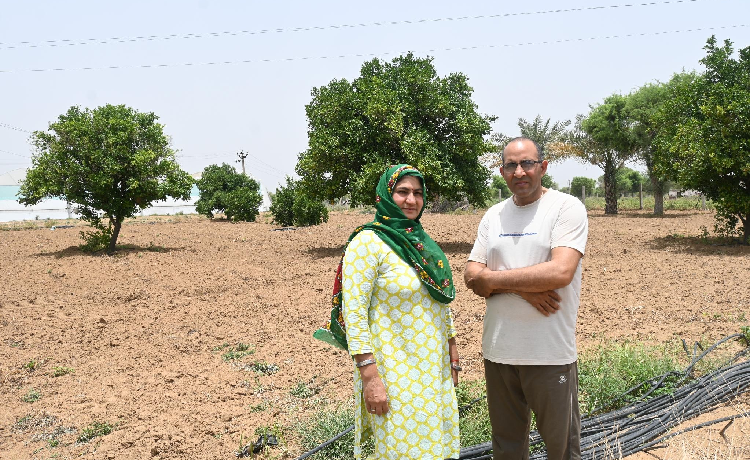
    When you think of farming incomes in India, you think in thousands. Rarely in lakhs. And almost never double digits – Rs. 28 lakh a year is almost unheard of. Yet, on a small patch of land (2.7 ha) in Jhunjhunu, Rajasthan, that is exactly what Suman and her husband have built. Not through a single breakthrough—but through a series of deliberate, well-timed shifts.
  • The Village Climate Reset
    September 10, 2026
    For a village in Gujarat’s rainfed cotton belt, where farming has become increasingly difficult attributed to rising temperatures, water stress, and declining soil health, the sapling forest has become a visible sign of change.
  • Leading from the Ground Up: Meet Chandrakant Kumbhani
    August 20, 2026
    Chandrakant Kumbhani's begins not in a boardroom, but on a rainfed farm in Gujarat, where, as a young boy, he helped grow and sell the produces in a nearby market.
  • A Legacy Built on Values
    August 19, 2026
    When a determined young NGO professional walked into his office for the third year in a row seeking support for disadvantaged children, he saw something far more valuable than another funding proposal.
An Opportunity to Support
SUBSCRIBE TO OUR NEWSLETTER & BLOGS
Stay updated on the latest insights from Ambuja Foundation.
GET CONNECTED