


November 18, 2022

Knitting During COVID-19

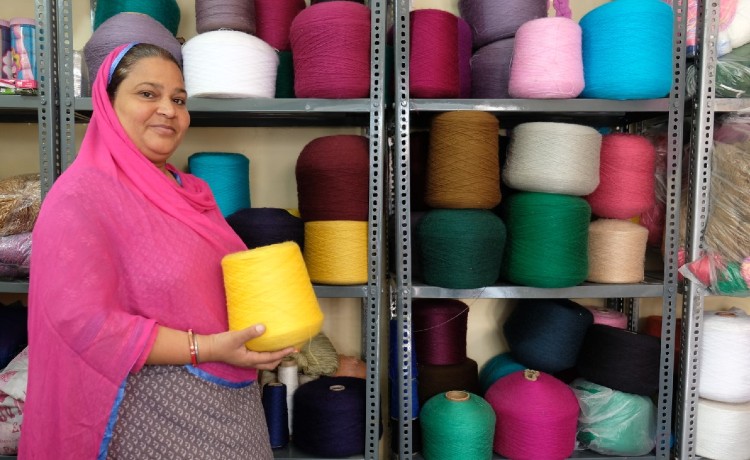
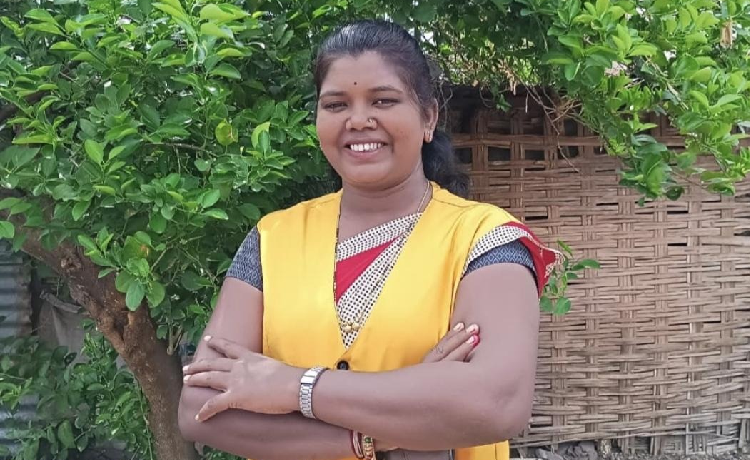
“I’ve got 2 children and my husband is a private driver, but I always wanted to do something for myself. In 2014 I learned how to knit using a machine, making sweaters and scarfs and the like, I invested in my own digital machine and started taking orders. In a month I now earn 15-20,000 – which helps me to fix my house, pay for treatment of my health issues and support my children’s education.


My husband lost his job during COVID-19 pandemic and I was able to sustain the family with my knitting. We were procuring wool from Ludhiana at Rs. 340kg and on-selling it via the SHG Rural Mart at Rs420 per kg. I started to get involved in the Rural Mart at a leadership level and today am on the Board of Directors. We have our sights set on turning our SHG into a federation soon.” - Simran Kaur, Ropar, Punjab.
November 18, 2022

RELATED POSTS
  • Disrupting Dairy
    September 10, 2026
    The transformation in Saroj’s dairy business began with something surprisingly simple: water.
  • Hope Network
    September 10, 2026
    When Geeta Watagure attended Ambuja Foundation’s Aatmiyata mental health training in 2022, she was grieving her husband’s death and raising her young daughter alone.
  • When Rural Women Reach Markets, Livelihoods created
    June 05, 2026
    The Nari Shakti Federation in Uttarakhand had built a successful enterprise selling cowdung cakes — an eco-friendly product based on traditional rural practices and the increasing demand for traditional, eco-friendly products. But there was one problem: the product was packaged in plastic.
  • Seven Years On: How Ambuja Foundation is Redefining Women’s Role in Cotton
    May 26, 2026
    Across India’s cotton fields, women have always been present—sowing seeds, tending crops, managing livestock, and sustaining households. Yet for decades, their contributions remained largely invisible—unrecognised within formal agricultural systems and excluded from decision-making
  • The Cotton Queens of Chandrapur
    September 19, 2025
    In the heart of Chandrapur’s Rajura block lies Devada, a quiet farming village where cotton reigns supreme. With 264 of its 298 households cultivating over 2200 acres, agriculture is more than a livelihood—it’s a way of life. But it was defined by outdated practices, limited tools and little access to credit.
An Opportunity to Support
SUBSCRIBE TO OUR NEWSLETTER & BLOGS
Stay updated on the latest insights from Ambuja Foundation.
GET CONNECTED