



Humble pulses - such as lentils, chickpeas, beans, and peas - are often overlooked in conversations about climate. Yet, they hold tremendous potential in shaping a more sustainable agricultural future, especially in countries like India that are grappling with the environmental repercussions of conventional farming practices. In the context of soil depletion, water scarcity, and growing concerns over food security, pulses offer a promising solution to many of the challenges faced by rural India. These crops not only enrich the soil and reduce reliance on chemical fertilizers, but they also support water conservation and provide a critical source of nutrition.
65% of India’s population is reliant on agriculture, making the country especially vulnerable to the environmental impacts of unsustainable farming. Over time, intensive farming methods, such as the excessive use of chemical fertilizers and monocropping of water-intensive crops like rice and wheat, have severely degraded soil health and strained water resources. As a result, soil fertility is rapidly declining, water tables are falling, and agricultural productivity is under threat. These challenges are compounded by the impacts of climate change, including erratic rainfall, more frequent droughts, and rising temperatures. Amidst these environmental and economic pressures, pulses stand out as a key player in promoting climate-smart agricultural practices.
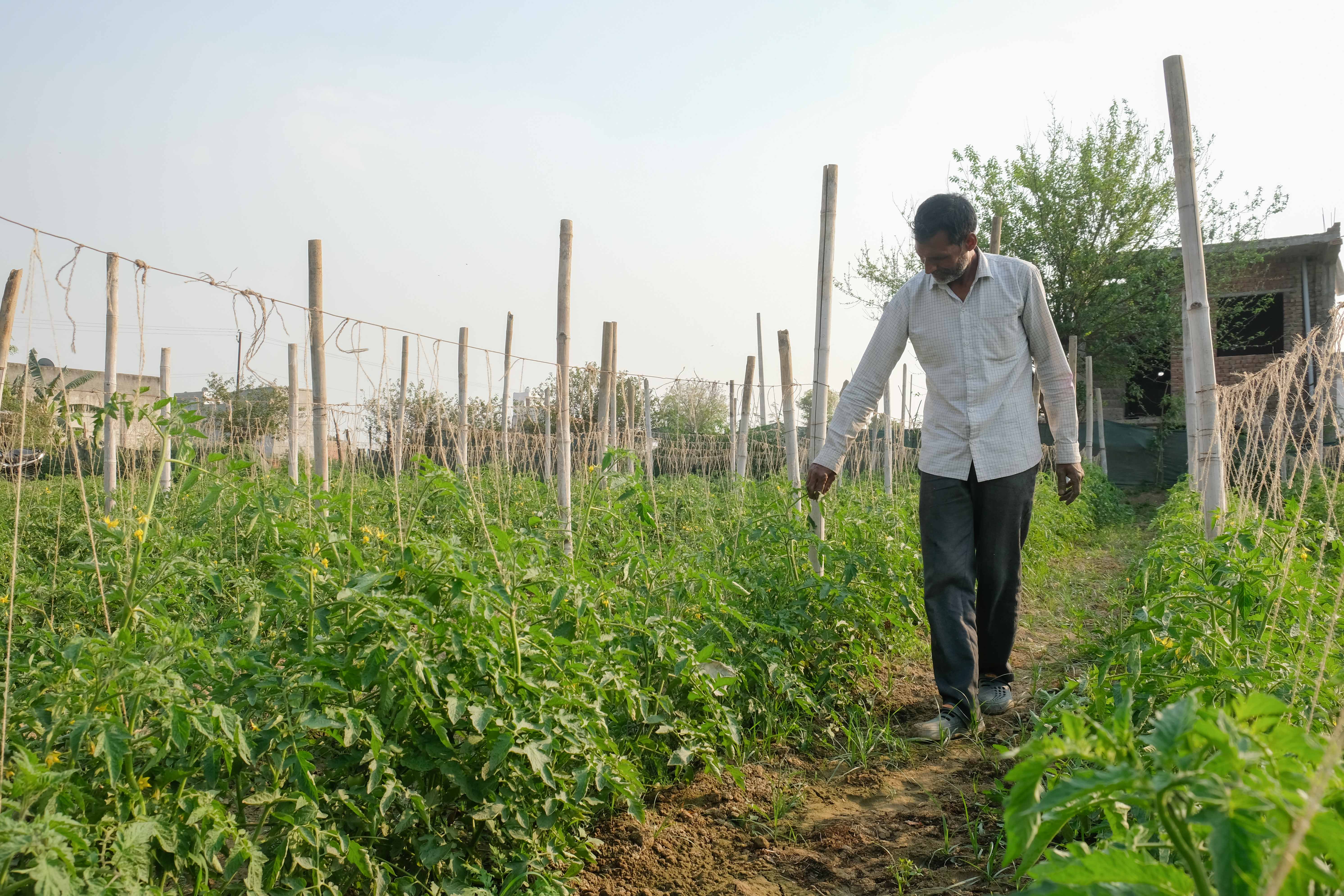
One of the most significant benefits of pulses is their ability to fix nitrogen in the soil. Unlike many other crops, pulses form a symbiotic relationship with nitrogen-fixing bacteria, allowing them to convert atmospheric nitrogen into a form that plants can use. This natural process enhances soil fertility, reduces the need for synthetic nitrogen fertilizers, and helps prevent soil degradation. By integrating pulses into crop rotations, farmers can improve soil health over time, reduce soil erosion, and maintain better long-term productivity. Moreover, the ability of pulses to enrich the soil makes them a critical tool for restoring degraded lands, which are prevalent in many parts of India.
Soil health and fertility are not the only areas where pulses shine. Water scarcity is an urgent issue in India, with over-extraction of groundwater and inefficient irrigation practices threatening the country’s water resources. Pulses, however, are far more water-efficient than many staple crops like rice and wheat. While rice, for example, requires large amounts of water for cultivation, pulses can thrive with much less irrigation. This makes pulses an ideal crop for regions with limited water availability. By incorporating pulses into crop rotations, farmers can conserve water, reduce the burden on local water systems, and promote more efficient water use. In drought-prone areas or those experiencing irregular rainfall patterns due to climate change, pulses offer a reliable and climate-resilient solution.
In addition to their environmental advantages, pulses provide substantial economic benefits to farmers, helping to build their resilience to the impacts of climate change. By diversifying their crop portfolio with pulses, farmers can reduce their dependence on a single crop, thereby lowering the risks associated with crop failure due to extreme weather events or market fluctuations. Pulses also tend to be less expensive to grow, requiring fewer external inputs. This translates into reduced production costs and higher profit margins for farmers.

Perhaps most importantly, pulses are a valuable source of nutrition, particularly in rural areas where malnutrition and micronutrient deficiencies are common. Pulses are rich in plant-based protein, essential for growth, immune function, and overall health. For populations that rely heavily on plant-based diets, such as in rural India, pulses provide an affordable and sustainable protein source. In addition to protein, pulses are packed with fibre, iron, zinc, and other important micronutrients, which are crucial in combating malnutrition, especially among vulnerable groups like women and children. Incorporating pulses into the diet can play a pivotal role in improving the nutritional status of rural households, supporting better health outcomes, and reducing the prevalence of diet-related diseases. By promoting pulse cultivation, we can not only bolster the sustainability of agriculture but also improve the nutritional well-being of rural communities.
Pulses offer a win-win solution—benefiting both the environment and the people who depend on the land for their livelihoods. As climate change continues to alter agricultural conditions and food security concerns grow, the importance of pulses in fostering climate-smart agriculture cannot be overstated. Their role in improving soil health, conserving water, supporting farm income, and enhancing nutrition makes them a cornerstone of sustainable agriculture and a vital crop for India’s future.