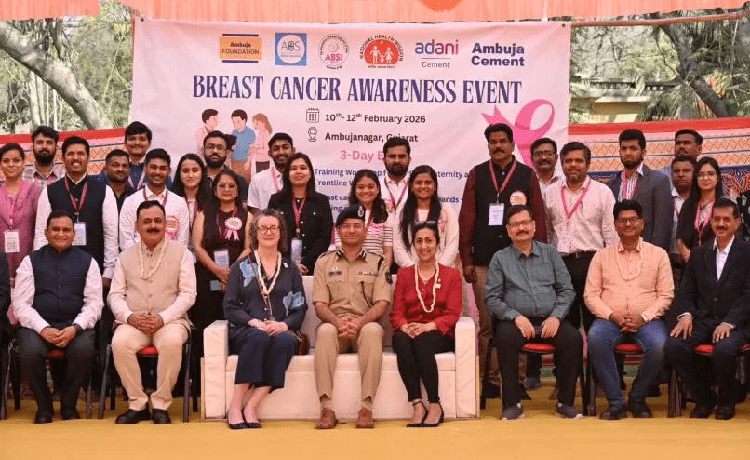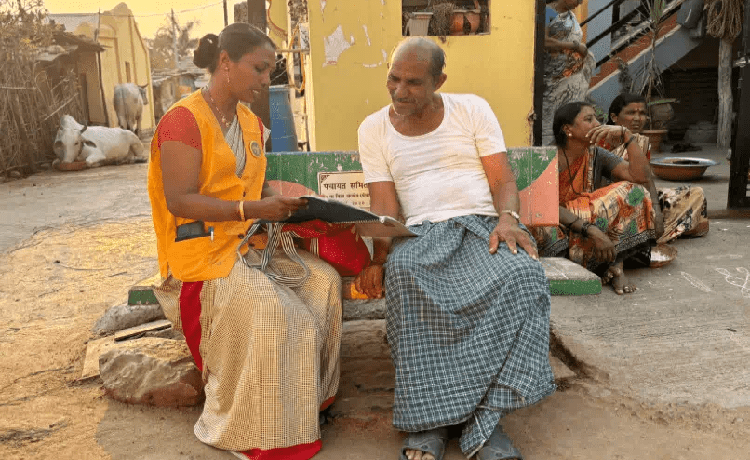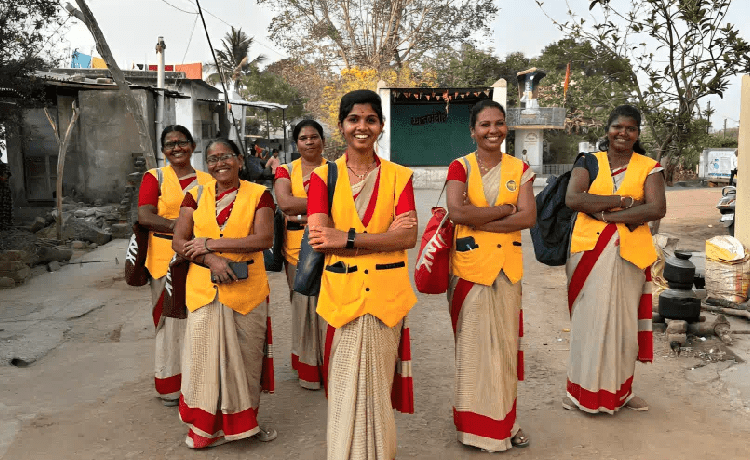



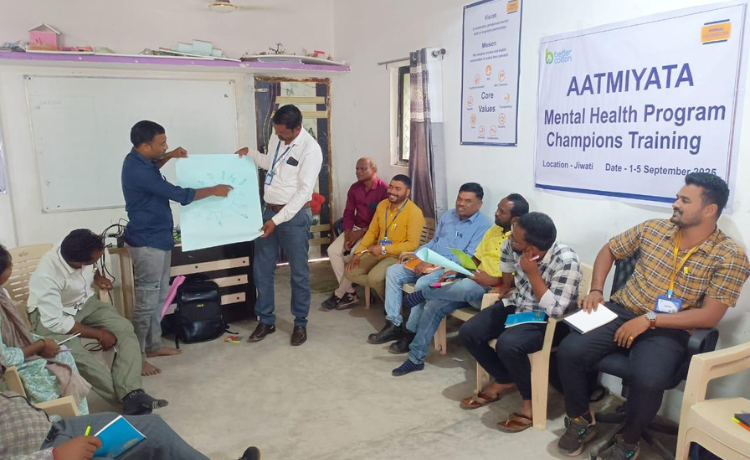
Ambuja Foundation and the Centre for Mental Health Law and Policy have expanded the Atmiyata program to nine states, building on the success of its outreach and impact over the past four years. The renewed three-year partnership, launched in May 2025, strengthens the integration of Atmiyata’s mental health and social care model within Ambuja Foundation’s non-communicable diseases program.
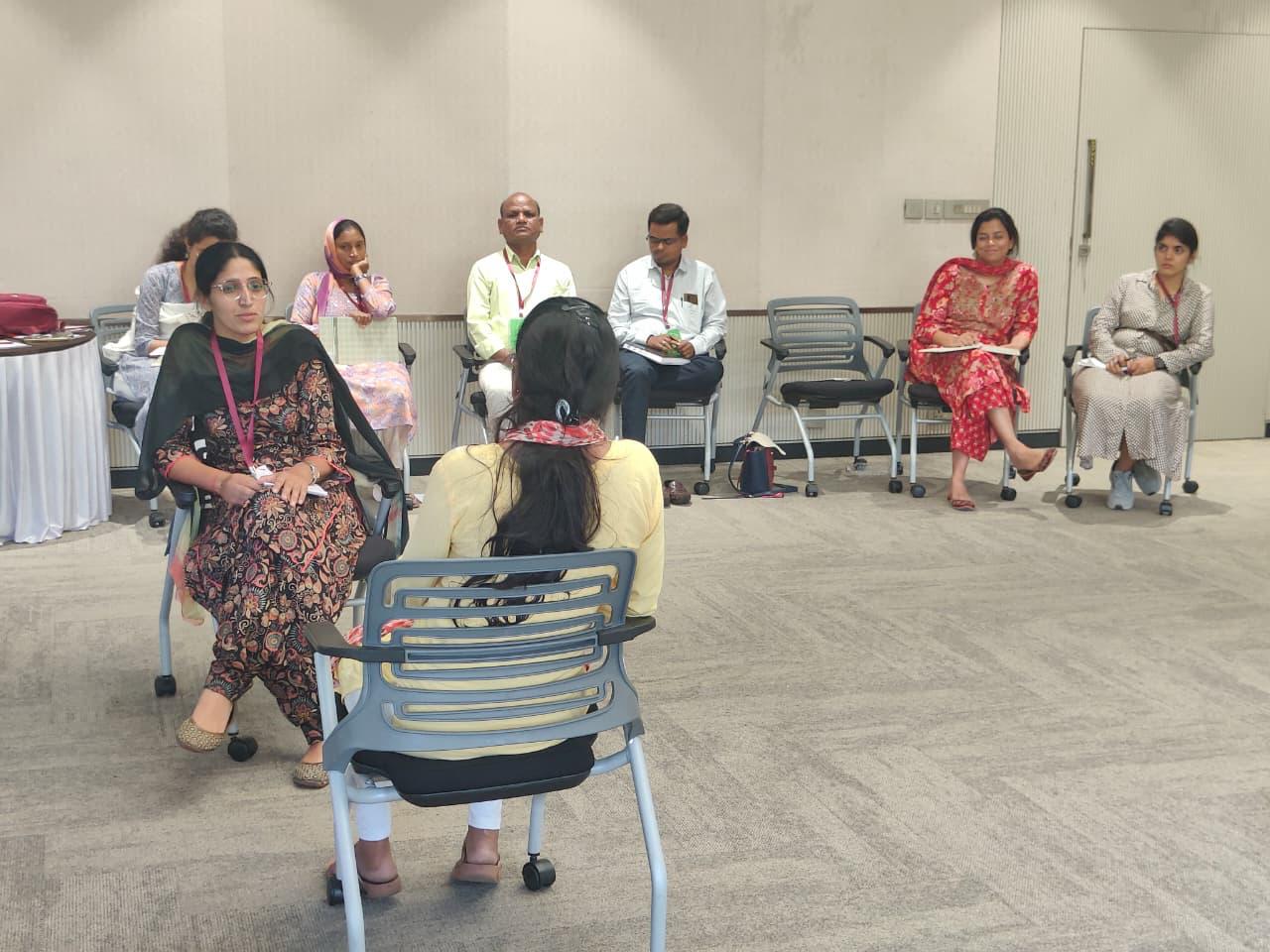
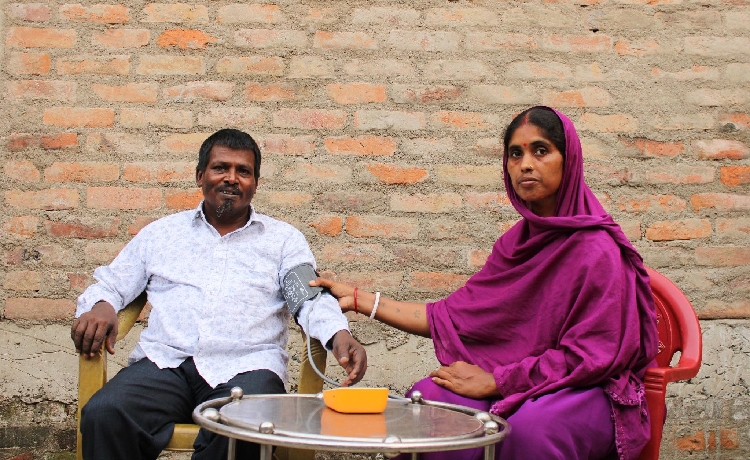
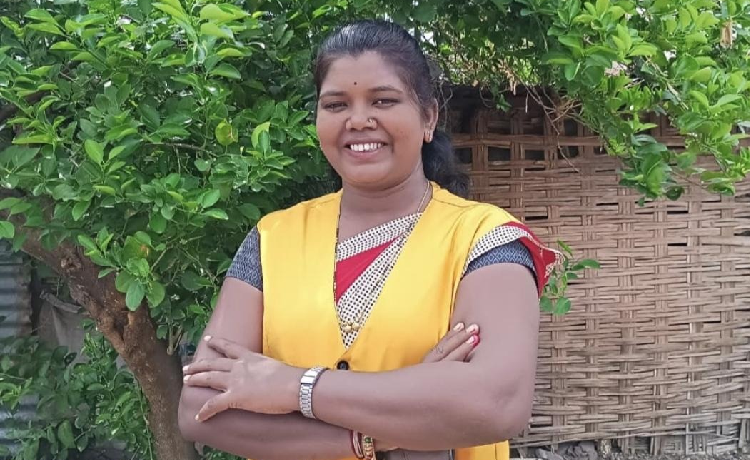
As of last year, the program had been successfully rolled out across 110 villages, with 116 trained Sakhis identifying and supporting individuals with common and severe mental disorders. They provided relaxation techniques, problem-solving support, behavioural activation, and active listening. Through awareness sessions, over 6,500 beneficiaries were reached—of whom 512 were identified for counselling out of which 452 with common mental disorders and 39 with severe mental disorders, who were further provided with referrals to trained psychologists or counsellors. In addition, 152 beneficiaries were linked to various social benefit schemes. Overall, the program reached more than 12,000 beneficiaries in the past two years.
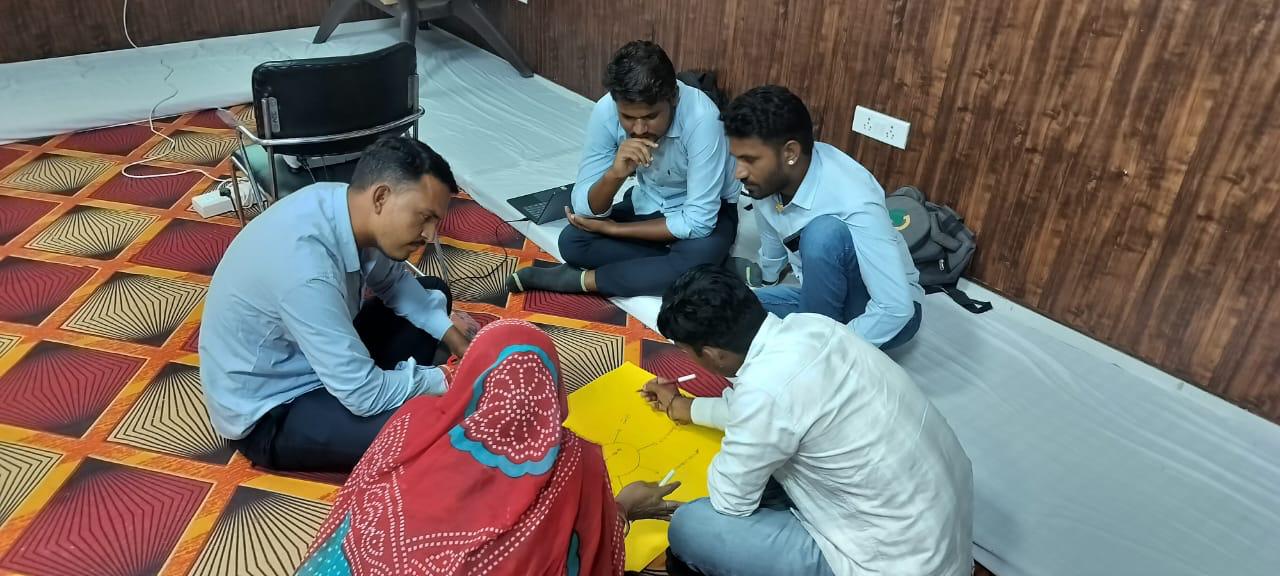
In the wake of the pandemic, mental health emerged as one of the most urgent public health challenges in India. While awareness is rising, rural areas remain disproportionately affected due to limited access to mental health professionals and services. The treatment gap is especially stark outside cities, making community-led initiatives like Atmiyata vital in bridging this divide.
On the occasion of the expansion, Pearl Tiwari, CEO, Ambuja Foundation, said:
“In just two years, this partnership has impacted 12,000 lives and trained 120 community volunteers to identify and refer individuals with common and severe mental disorders. There is so much more potential, and we at Ambuja Foundation are happy to continue our partnership on the Atmiyata program to reach many more grassroots communities.”
“With mental health challenges on the rise in rural India, timely support is crucial. Over the past four years, the community response we’ve witnessed inspires us to expand this program even further,” added Dr. Vinayak Sonawane, Associate Director, Ambuja Foundation.
Atmiyata now reaches 2,093 villages across nine states - and continues to grow, thanks to this renewed partnership.