


November 15, 2022

Reducing Infant & Neonatal Mortality

“A 'neonatal death' is defined as a death during the first 28 days of life and globally, this period carries the highest risk of mortality, per day, than any other period during childhood. In 2014 in Farakka, West Bengal, the neonatal mortality rate was incredibly high - 43.85 out of every 1000 - compared to a national rate of 28.


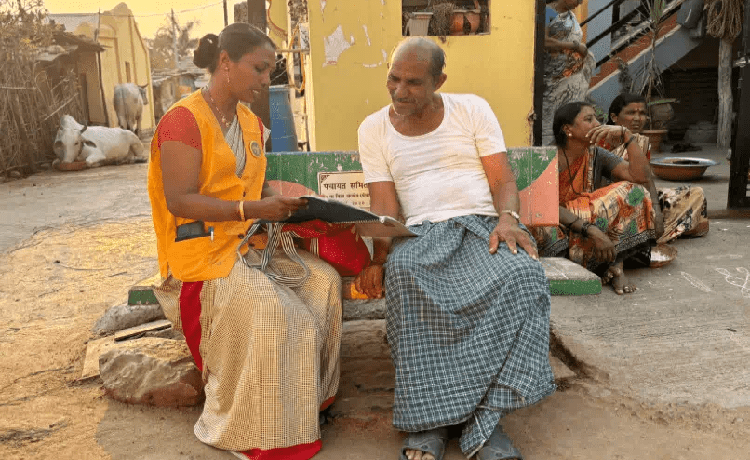
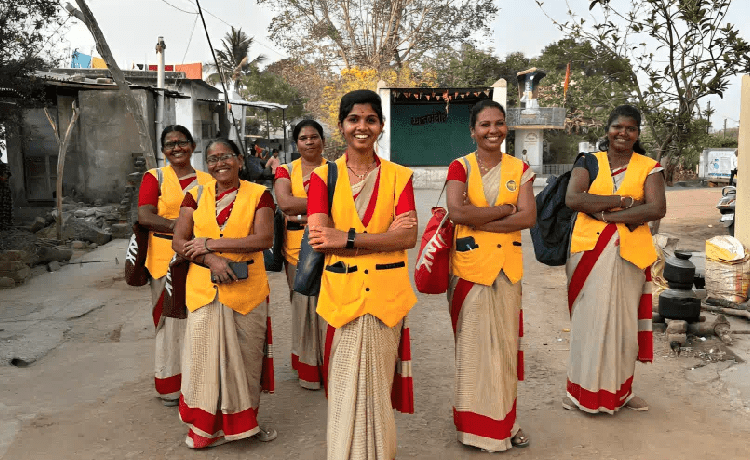
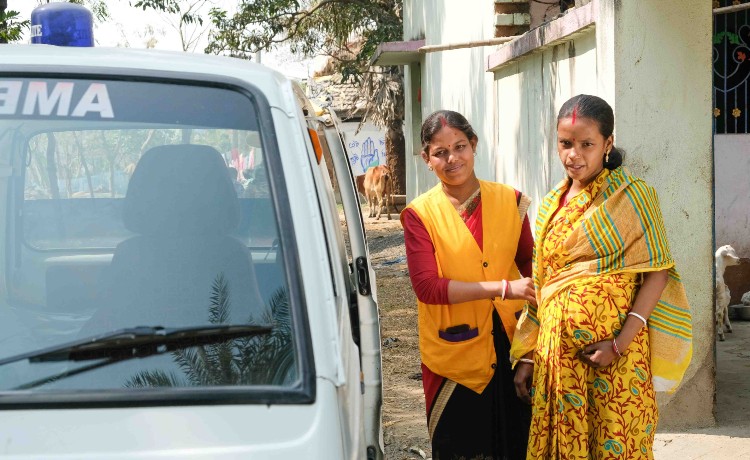
Troubled, our health team began to investigate. It turned out a mere 32% of women were having 'institutional deliveries' - the rest were birthing at home with local midwives, Dai Maas. Deciding to promote the benefits of institutional delivery, we kickstarted the 'Sakhi' initiative, starting with just 10 local woman.


On completion of training in 2016, the Sakhi's were optimistic. But the situation in the field was difficult. They faced cultural taboos, resistance from husbands, and resentment from ASHA's/ANMs.


With so many challenges, we expected them to give up. Instead, they went the extra mile.


One Sakhi, Saira Bibi, convinced a woman having her 5th baby to go for hospital delivery. Despite huge resistence from the husband, Saira put herself on the line. 'Take me to the police if it goes wrong. I take full resonsibility.' She said.


One baby was born on the way to the hospital, and the driver turned to go back. But Sakhi Marang Beti Besra insisted on going to the hospital - to cut the umbilical cord, provide primary care and ensure baby and mother were safe.


Slowly the situation turned around. Transformed in fact.


In just 2.5years, the institutional delivery rate increased from 28.57 % to 85.07%, Infant Mortality fell from 39.47 to 24.3 and Neonatal Mortality fell from 43.85 to 27.77. Today we have lots of healthy, happy babies and mums!”


Anagha Mahajani

Vice President, Program Research & Monitoring

Ambuja Foundation
Tags: Health
November 15, 2022

RELATED POSTS
  • Innovative Solutions for Maternal & Child Health
    April 28, 2017
    Fifty key stakeholders from the 'Maternal & Child Health' sector came together in Mumbai in March 2017, to identify innovative solutions to key challenges faced in service delivery at a community level.
  • Non-Communicable Diseases - A Multi-Stakeholder Consultation
    January 04, 2018
    A major public health concern of today is the growing levels of non-communicable diseases (NCD). It is now also known that NCDs are not restricted to the affluent and urban sections of the society; their prevalence has increased among the poor and the rural population is also affected almost equally.
  • Diagnosis & Treatment Helps Fight the Scourge of Diabetes & Other NCDs
    January 07, 2019
    At the ripe old age of 80, Sonubai Haridas Pote still manages the household and supports her husband in farming. But her ability had been hindered since the advent of Diabetes and Hypertension 6 years ago, and for the last 2 years had found it difficult to visit the hospital for her routine treatment.
  • In Conversation: Harvard's Dr. Lindsay Jaacks on NCDs in India
    January 10, 2019
    Dr. Lindsay Jaacks, Assistant Professor at the Harvard Chan School of Public Health, will be participating in a Symposium on 'Models for Control of Non-Communicable Disease in Global Health.' In this candid conversation, she sheds light on Non-Communicable Disease in India in the context of global trends.
  • Winning the War on NCDs in Rural India
    January 10, 2019
    The evidence to mount strong interventions against Non-communicable diseases (NCDs) in India, is compelling - a recent Harvard University and World Economic Forum Report on NCDs claimed that India stands to lose $4.5 trillion before 2030 due to NCDs alone.
An Opportunity to Support
SUBSCRIBE TO OUR NEWSLETTER & BLOGS
Stay updated on the latest insights from Ambuja Foundation.
GET CONNECTED