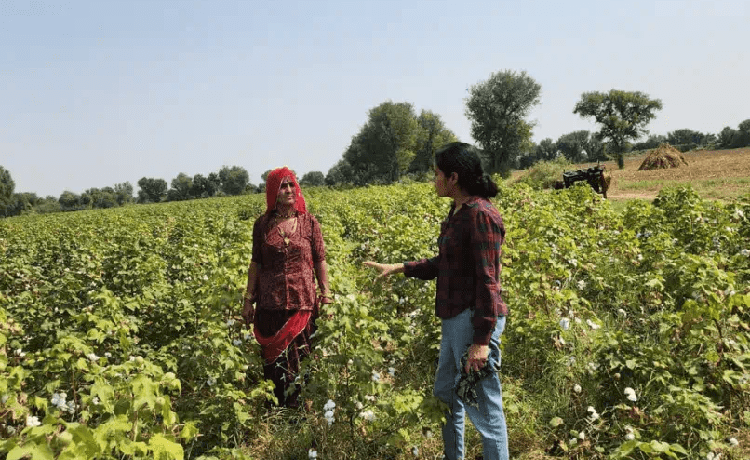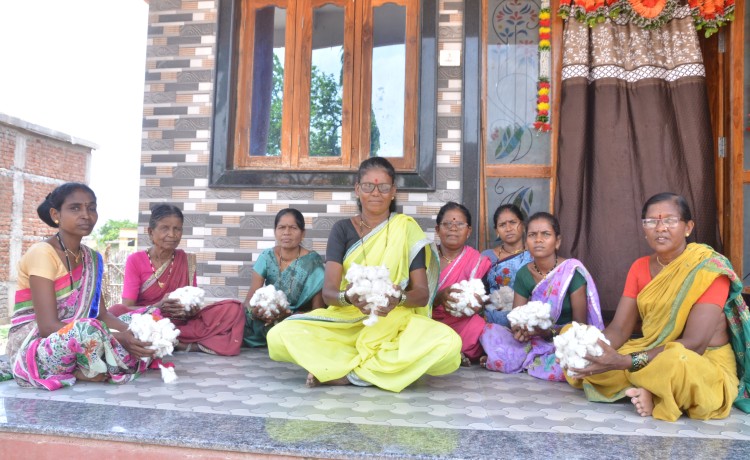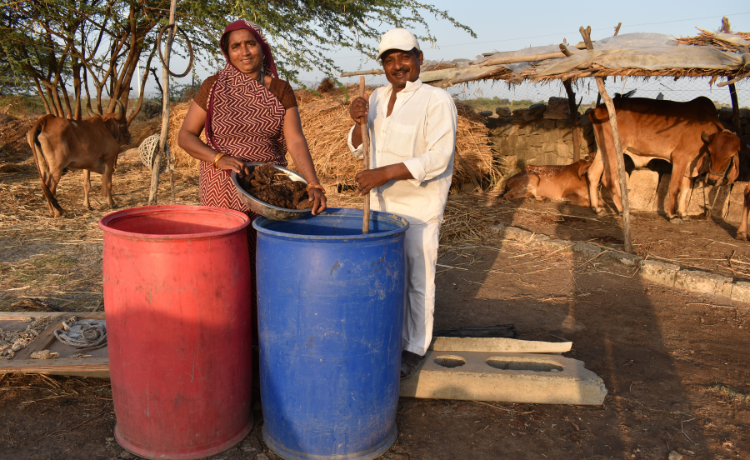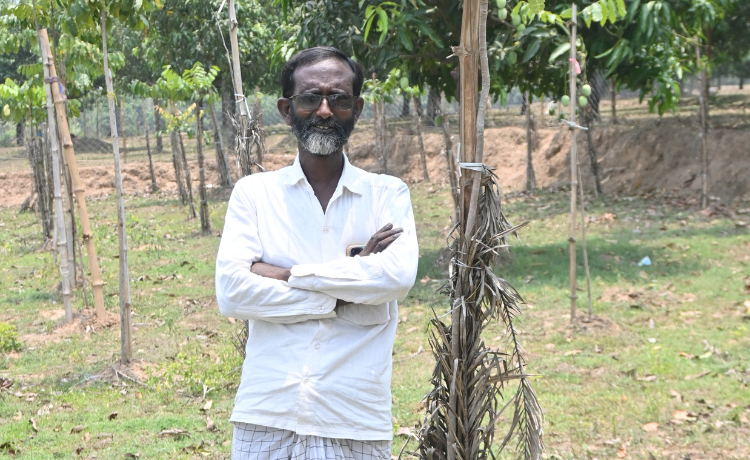



Traditionally, indigenous practices have ensured the health of farmlands and maintained fertility of soil. Adding farmyard manure, rotating crops, sprinkling ash, and many other such techniques have kept India's soils - which have always been low in nitrogen - at an optimum level of fertility.
However, with the increased demand for higher crop yields, farmers resorted to the excessive application of synthetic fertilizers, unaware of the long-term detrimental effects on soil health.
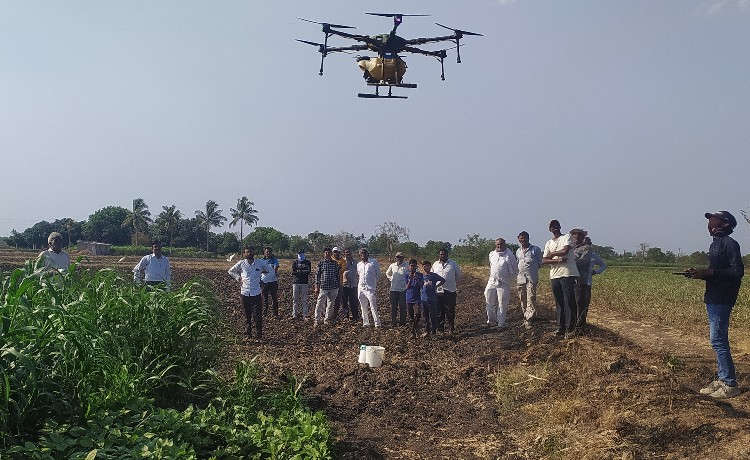
In such a scenario, drone technology has emerged as a modern alternative to measure, control and target the right amount of fertilizer for the right demand of crop. Drones can be used to spray fertilizers on crop fields in exactly the right amount, reducing wastage and ensuring optimal nutrient delivery to the plants. Furthermore, the use of drones can streamline farming operations, saving time and labor while improving overall efficiency in crop management.
ACF, in collaboration with Krishi Vigyan Kendra (KVK), is working with farmers in Ambujanagar to reshaping farming methods - empowering farmers with advanced tools like drones, to boost productivity and resource efficiency.
Government Scheme Promotes Drone Technology
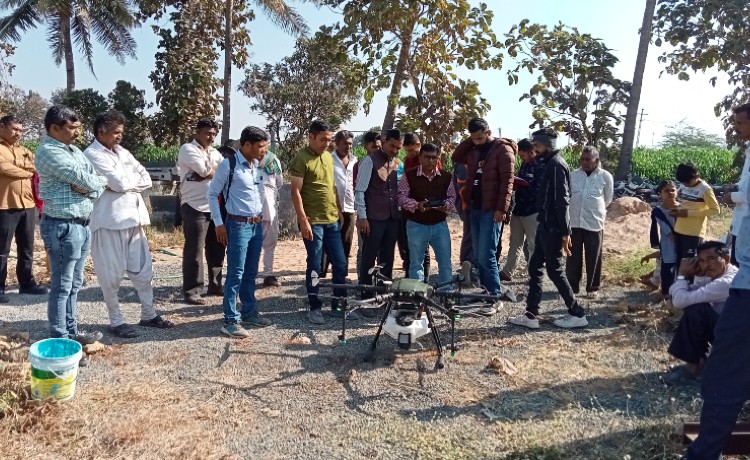
To facilitate the widespread adoption of drone technology in agriculture, the government has implemented various support programs and financial incentives for farmers. Notably, the Farm Machinery Training & Testing Institutes received complete financial support for the cost of drones and related expenses through the Sub-Mission on Agricultural Mechanization (SMAM).
These proactive government programs highlight the commitment to fostering innovation and sustainability in agriculture, making drone technology more accessible and feasible for farmers across different socio-economic backgrounds.
A Case Study: Kodinar & Gir Somnath, Gujarat
Ambuja Foundation and KVK leveraged this government allocation to extend the benefits of drone technology beyond the predetermined scope, reaching out to 503 farmers of 21 villages in the Gir Somnath regions, as part of a pilot program. Having seen the need for such technology it supported two senior staff to get trained and turn licensed pilots to assist farmers for spraying.
The initial deployment highlighted the tangible benefits of utilizing drones for fertilizer application, particularly during the cultivation of Rabi crops. The efficiency of drone-assisted fertilization was evident in the significant reduction of time and resources required for crop management, with the following impacts:
- The deployment of drone technology in the Gir Somnath region led to a substantial reduction in cultivation time, significantly decreasing the time spent on fertilizer application from 2 hours per acre to a mere 15-20 minutes per acre.
- In addition, the adoption of drone-assisted agricultural practices contributed to a substantial reduction in water consumption, curtailing water usage from 150 liters to 10 liters per acre.
- Most notably, there was a remarkable decrease of over 50% in chemical usage, emphasizing the promotion of sustainable and eco-friendly farming practices.
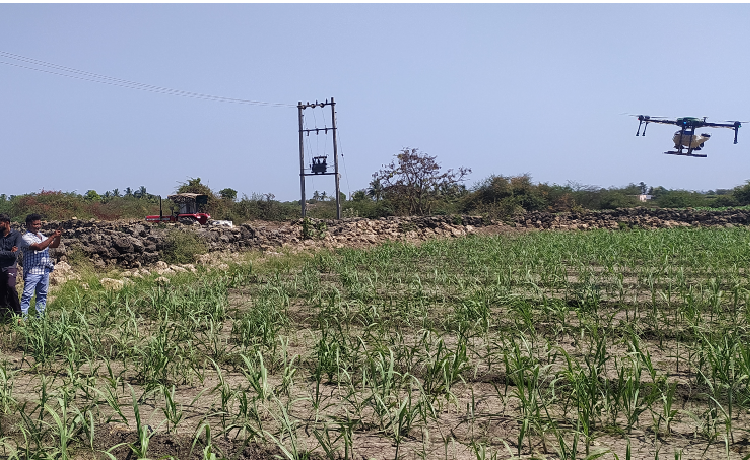
Drones are becoming more prevalent in various industries, including agriculture. For farmers, drones are proving a life-changer beyond short-term convenience, and this pilot highlights a changing of the times - as drone pilots uncover new uses, the advantages of using drones in farming keeps growing. There are plans to create entrepreneurs to provide such services to farmers and also train more staff in handling such systems.
This technology adoption marks a significant step forward in modernizing agricultural methods, underscoring the industry's commitment to innovation and technological progress.