



In Vadnagar, Gujarat, ongoing excavations by the Archaeological Survey of India (ASI) have revealed an elaborate water harvesting mechanism. These water bodies supported agriculture and trade, keeping Vadnagar prosperous despite harsh climate. So far, the ASI has excavated at least 54 water bodies within 10 km of the town.
Traditional Wisdom & Water Harvesting
Nadis, Khadins, Kunds, Taankas, Kuhls, Johads, Baolis, Talabs — history shows India’s prosperity was closely tied to traditional water harvesting systems. These made people resilient against floods and droughts and helped communities manage drinking and agricultural water needs.
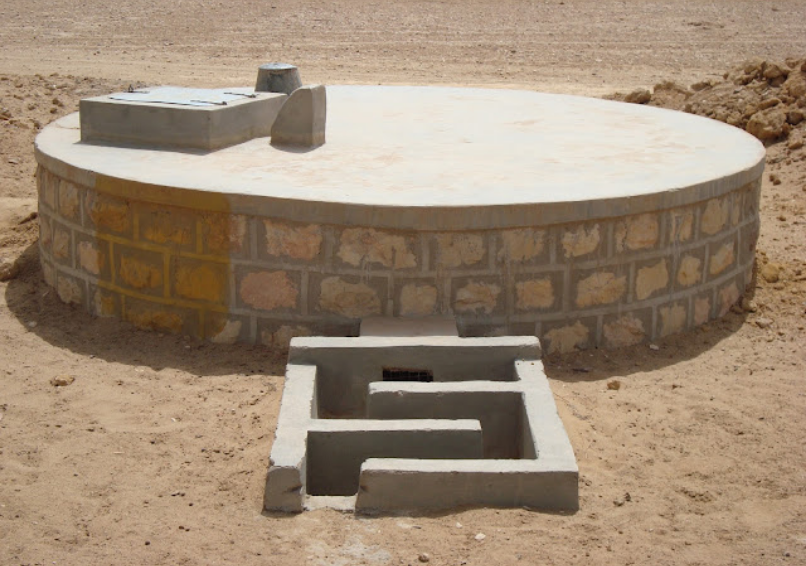
For example, the Taanka — a traditional rainwater harvesting pit in Rajasthan — can store enough water for a family of 5–6 through the dry season. Similarly, Khadins help collect surface rainwater for farming.
The Drudgery of Collecting Water – An Opportunity Loss
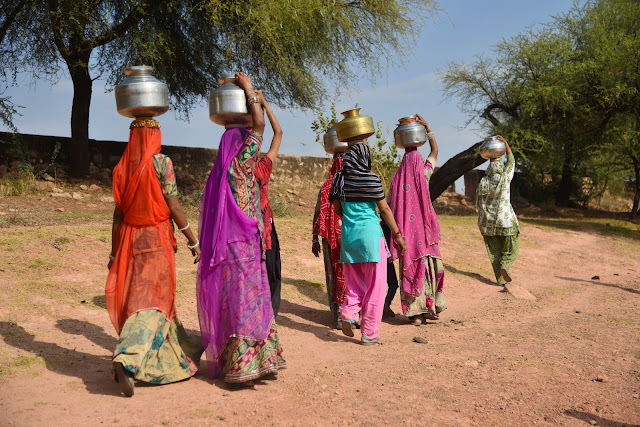
Traditional methods also saved women and girls from walking 2–20 km daily to fetch water. According to WHO guidelines, sources beyond 30 minutes/1 km only count as basic access, not optimal.
Time lost fetching water could be used for education and income generation. Access to clean water improves health, reduces missed school days, and increases work productivity. According to NITI Aayog’s Composite Water Management Report, around 2 lakh people die annually due to lack of clean water, and nearly 600 million face high to extreme water stress.
For girls, walking long distances for water directly affects education, which otherwise could help lift families out of poverty. It also reduces dependence on costly tanker water.
Managing Water Usage
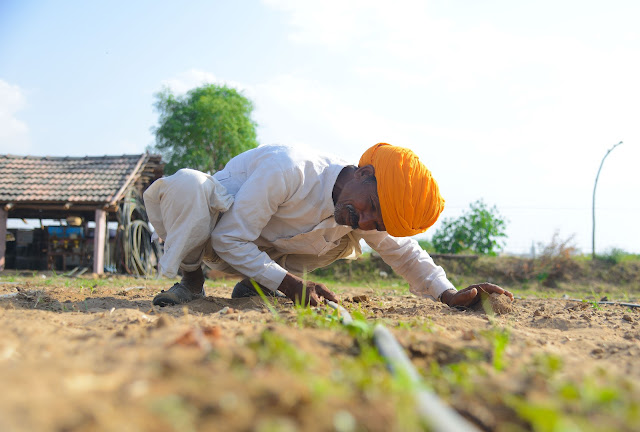
Water isn’t only about supply; demand management matters too. Flood irrigation wastes water: little reaches crop roots and the rest evaporates. With free electricity, groundwater extraction becomes excessive. India extracts 25% of the world’s groundwater, and irrigation uses over 80% of India’s water.
Technologies like drip and sprinkler irrigation help: drip irrigation alone can cut water use by 20–40% and boost productivity by 20–50%. This protects farmers financially during droughts and supports high-yield crops.
Enabling People to Manage Water
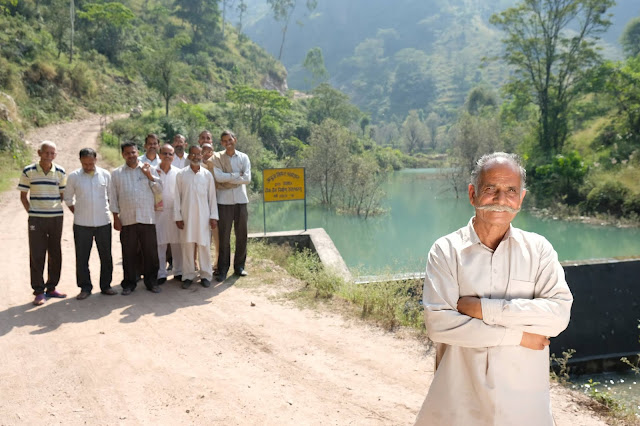
Good water governance ensures fair distribution. Participatory Water Management Programs empower villages to manage their water sustainably — a key part of Ambuja Foundation’s approach.
Ambuja Foundation’s Work & Impact in Water
Ambuja Foundation helps communities combine traditional wisdom with modern technology, restoring traditional structures and building new ones. Partnerships with government and corporate foundations amplify impact.
Key impacts:
- 57.87 mcm added water capacity
- 2–12 meter rise in groundwater levels
- Improved farm yield on 27,319 hectares
- 72 km of river and water bodies linked
- 9,922 rooftop rainwater harvesting structures
- 7,945 hectares under micro-irrigation
- Reduced migration to cities
- Less drudgery for women and girls
Achieving SDG 6 (clean water and sanitation) is crucial for India’s goal of becoming a $5 trillion economy. The COVID-19 pandemic further highlights the need for safe water at home. India’s growth and well-being depend on how it manages water.
Partner with Ambuja Foundation to help make India water secure.
Write to:
brajeshsingh.tomar.ext@ambujafoundation.com
.png)
.png)