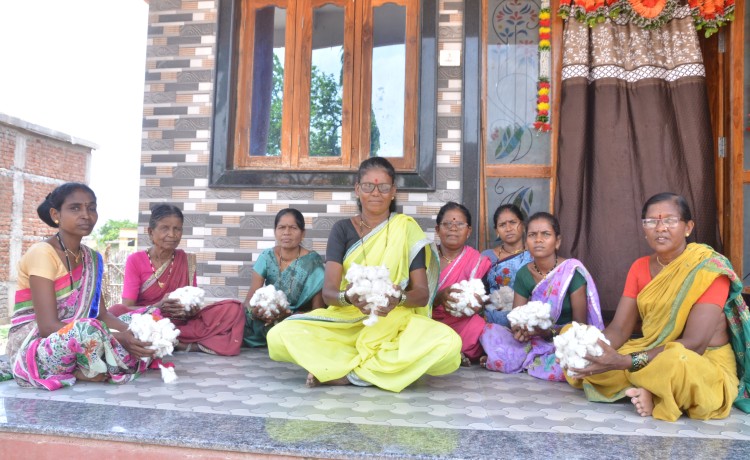



A movement is underway across India, to empower women to become ‘lakhpati didis!’
Ambuja Foundation is playing its part – encouraging rural women to strive for a Rs. 1 lakh income and fostering micro enterprises along the way.
And women are rising to the occasion. Over 11,56 women from Ambuja Foundation locations have hit the target of 1 lakh and above - meeting Government criteria and registering as a Lakhpati Didi. Their stories are an inspiration to other women, and highlight exactly what women can achieve if they put their minds to it.
Lakhpati Didi - A Government Scheme
Initiated by the Ministry of Rural Development, Government of India, the Lakhpati Didi program aims to catalyze economic empowerment and financial independence among women in rural areas. What is a ‘Lakhpati Didi’ – she is a Self-Help Group member who earns an annual household income of Rupees One Lakh (₹1,00,000) or more. This income is calculated for at least four agricultural seasons and/or business cycles, with an average monthly income exceeding Rupees Ten Thousand (₹10,000), so that it is sustainable.
So when Ambuja Foundation heard about the scheme, they decided to promote it among the 5000 women they work with across locations.
188 Women Register in Bhatapara (Chattisgarh)
In Bhatapara (Chattisgarh) the team decided to take up the program with gusto - shortlisting and nominating 188 women for the program. Women like:
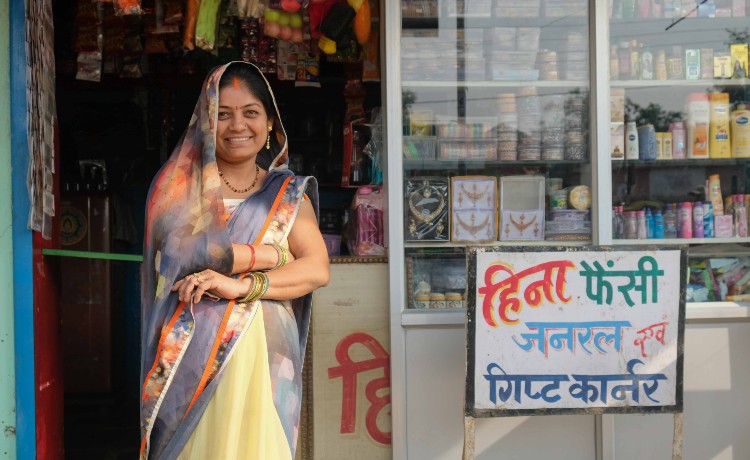
· Kuleshwari Verma who runs a Fancy Store and earns 3.75 lakh per year. She kickstarted her business when her husband’s paan shop was not enough to meet household needs – borrowing 3 loans of Rs 5000, Rs10,000 and later Rs 50,000 to establish her business and take it to new heights.
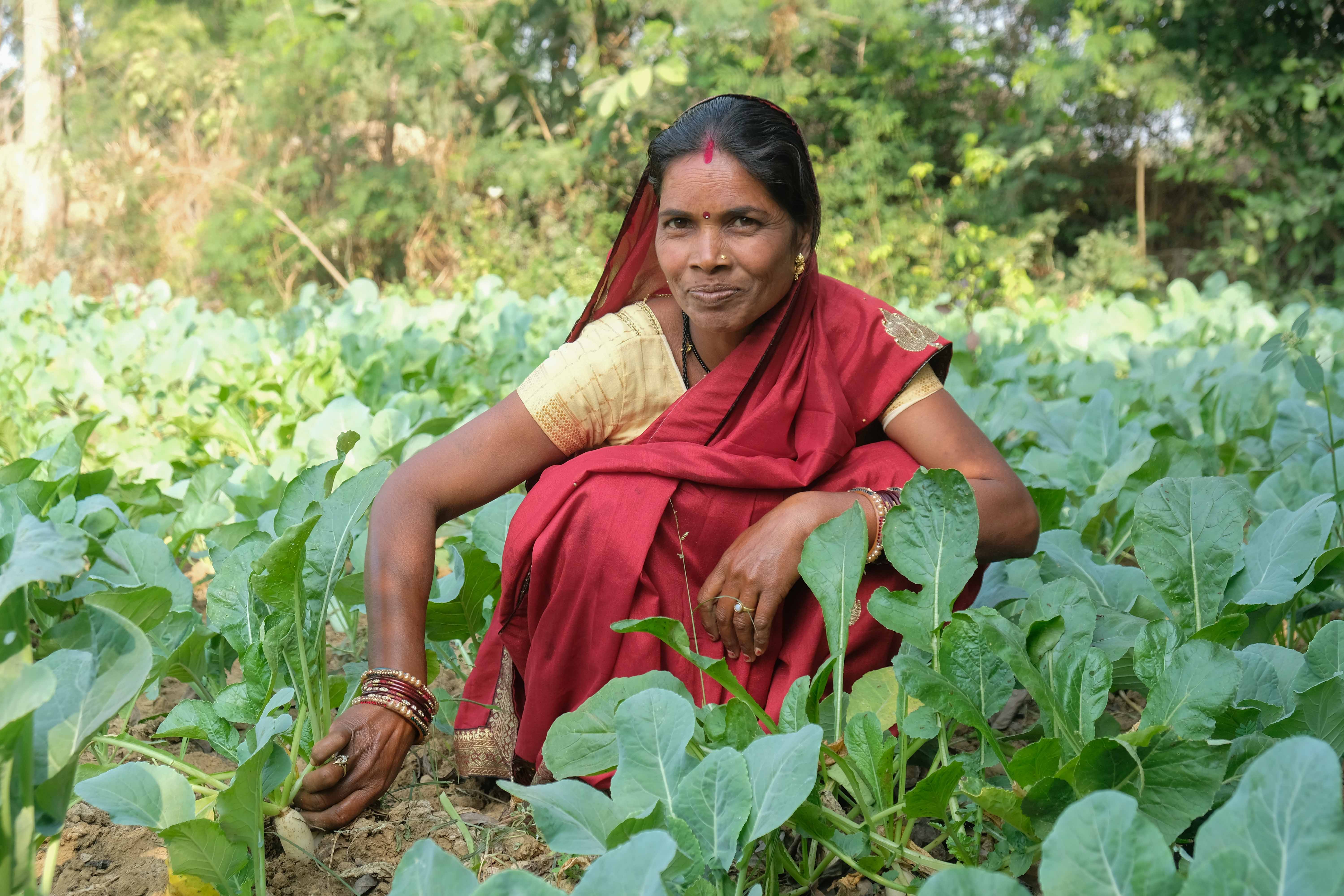
· Kusum Patel who kickstarted vegetable cultivation in the garden of her home, and today earns Rs. 1.1 lakh per year from it. Where previously she grew vegetables for household needs and was a daily labourer, today she works fulltime in her garden – selling her produce every evening in the local market.
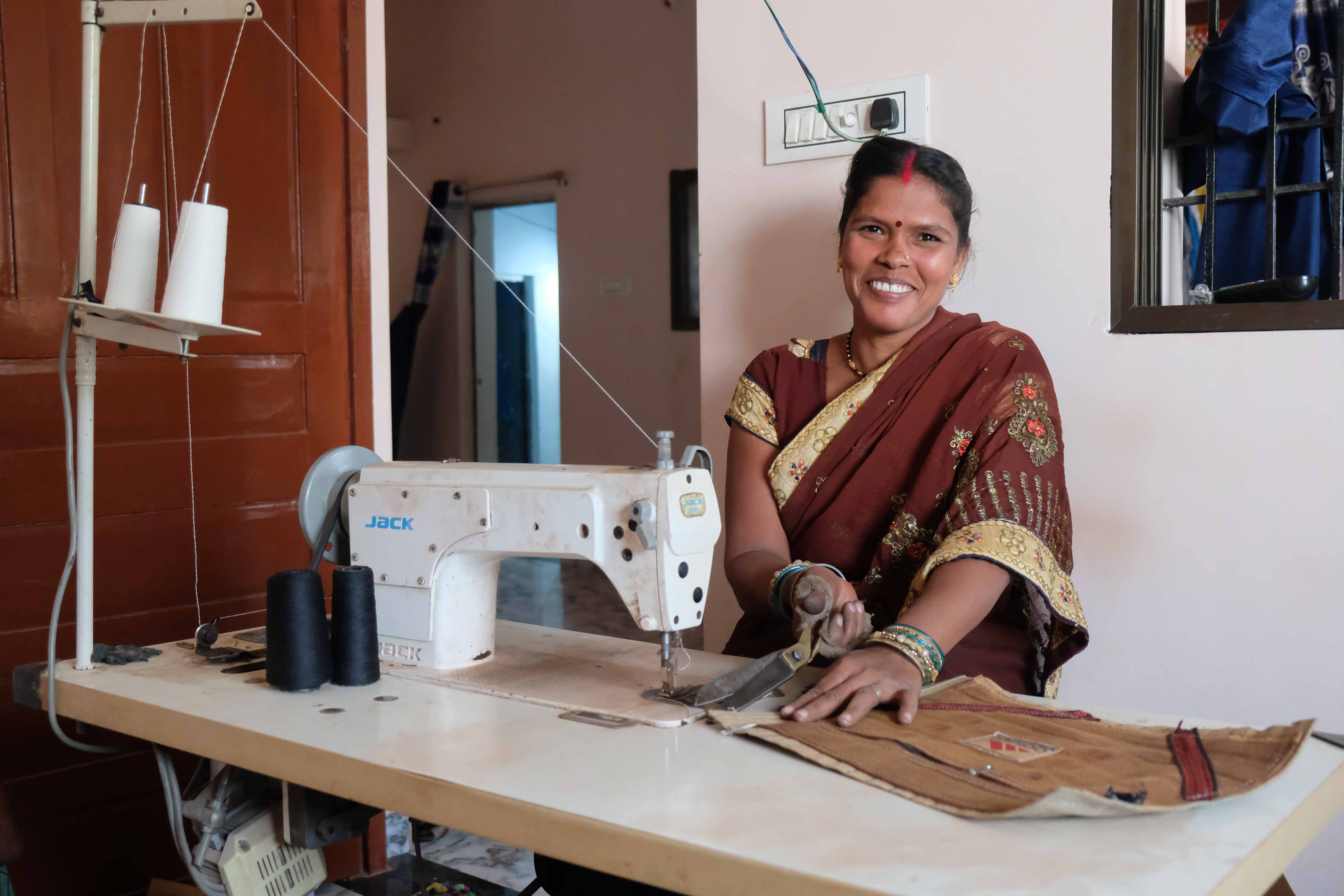
· Janki Verma who started sewing bags and took her sewing business from Rs 12,000 a year to Rs 2.24 lakh per year. She quickly repaid the loan from her SHG for the investment in a large sewing machine and went on to build a ‘pakka’ house with her earnings.
And as word of the initiative spreads, more and more women are eager to meet the Lakhpati Didi criteria. “As some women became ‘Lakhpati Didi’s’ they act as an inspiration to the entire community - not solely for their income, but for their journey of transformation in the process.” Manjusha Joshi, Project Officer, Ambuja Foundation said.
“We are now focusing our efforts to actively promote the program among women who were lagging behind – supporting them in their journey via training, marketing, advertising support, accessing loans, or linking with banks,” said she.
And women are stepping up to the plate – ramping up their efforts in their businesses which encompass jute bag making, fancy stores, kirana shops, food shops/hotels, beauty parlours, catering, trading sanitary pad making, phenyl and hand wash making, Xerox shops, poultry & goatery and stitching.
“Those who are working part time find it difficult to achieve, but those who are working full time can achieve it … Full time people are excited to achieve it … Part time people are not so motivated …” she said.
SHGs: A Conduit for Micro Enterprise
Self-Help Groups (SHGs) have fostered collective action and mutual support for women for decades, whilst also acting as conduits for financial literacy, skill development, and livelihood assistance, but today they have evolved to become so much more. The focus of SHGs has shifted beyond mere social and financial inclusion - they now aim to empower SHG members to pursue income generation.
A key criteria for the Lakhpati Didi scheme is that women are SHG members - there are approximately 8.8 million SHGs in India, with approximately 99 million members. As such, the Lakhpati Didi movement spells big things for the nation on the economic front.
Launched in 2023 with an initial target of 2 crore women, the Lakhpati Didi target has been increased to 3 crore in 2024-25. This movement underscores the growing contribution of women to Gross Value Added (GVA)and economic output of the nation.
Conclusion
Whilst there is no financial incentive, ‘Lakhpati Didi’s’ can apply for loans at lower interest rates through the scheme. The Lakhpati initiative facilitates and recognises diversified livelihood activities but its aim is to deepen, strengthen and expand livelihood options among women.
In Bhatapara alone, women are stepping up to the challenge and Ambuja Foundation is supporting them via a range of training and capacity building initiatives aimed to enhance their skills and boost profitability of their enterprises.
According to Government data, so far 2.2 crore potential Lakhpati Didi’s have been identified. Let us wait and watch as many more Lakhpati Didis emerge in the coming year.