


.png)
For decades, agriculture has been the backbone of rural India—shaping livelihoods and feeding the nation. But today, erratic rainfall, depleting groundwater, shrinking landholdings, and market uncertainties mean that farming alone can no longer guarantee security. Climate change has only deepened these risks, leaving millions of households vulnerable.
The answer is not to focus on agriculture in isolation, but to reimagine livelihoods at the household level. Resilience comes when incomes are layered: when farms are strengthened through sustainable practices and crop diversification; when women build micro-enterprises that add new revenue streams; when youth are skilled for jobs and encouraged to become entrepreneurs who spark local economies.
At Ambuja Foundation, this integrated approach is at the heart of our work. By enabling every member of the household to contribute, we are helping families de-risk from climate shocks, expand their opportunities, and move steadily toward prosperity.
Strengthening Agriculture
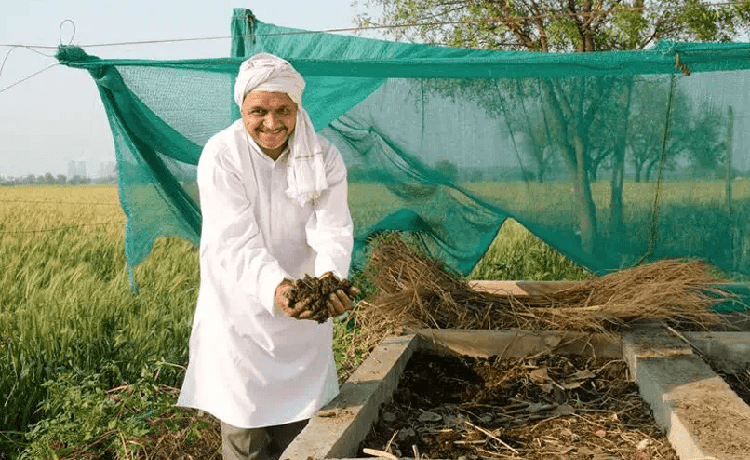
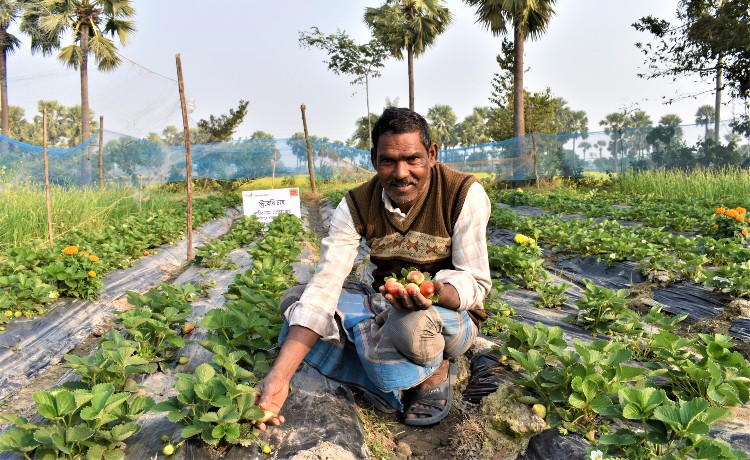
Agriculture remains the backbone of rural livelihoods, but it needs a fresh approach. We promote sustainable practices that improve soil health and yields, while encouraging crop and livestock diversification and horticulture to spread risk and enhance income. Allied agriculture—such as goat rearing, poultry, or dairy—provides vital supplementary earnings, particularly for landless families.
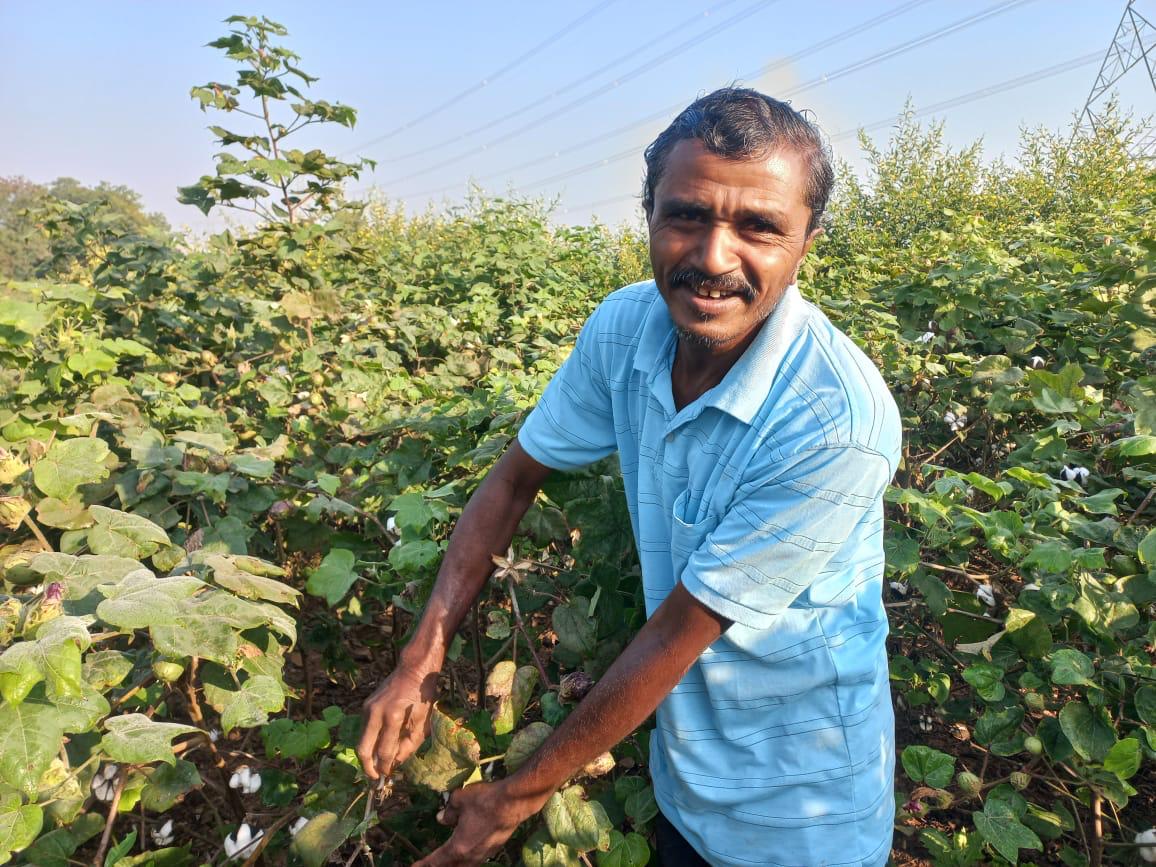
Devrao Bobade from Mangi village, Chandrapur district (Maharashtra) hails from an agricultural family and was the only earning member, growing only cotton. With support and guidance from Ambuja Foundation and the Better Cotton Principles, he adopted multi-cropping, adding lentils, jowar, and wheat alongside cotton. Today his fam generates an annual income of around Rs. 4-4.5 lakhs with a net profit of Rs. 1-1.2 lakhs.
Harnessing the Power of Women
When women earn, households transform. Ambuja Foundation supports women in starting both individual and group-based enterprises. From producing bio-fertilisers to running flour mills or farm machinery banks, women are proving themselves as entrepreneurs and leaders.
Self-Help Groups (SHGs) are central to this shift. What begins as small savings circles often grows into thriving rural enterprises—collectively procuring cotton, processing food items, or managing community services. These ventures boost household incomes and give women a stronger voice in decision-making.
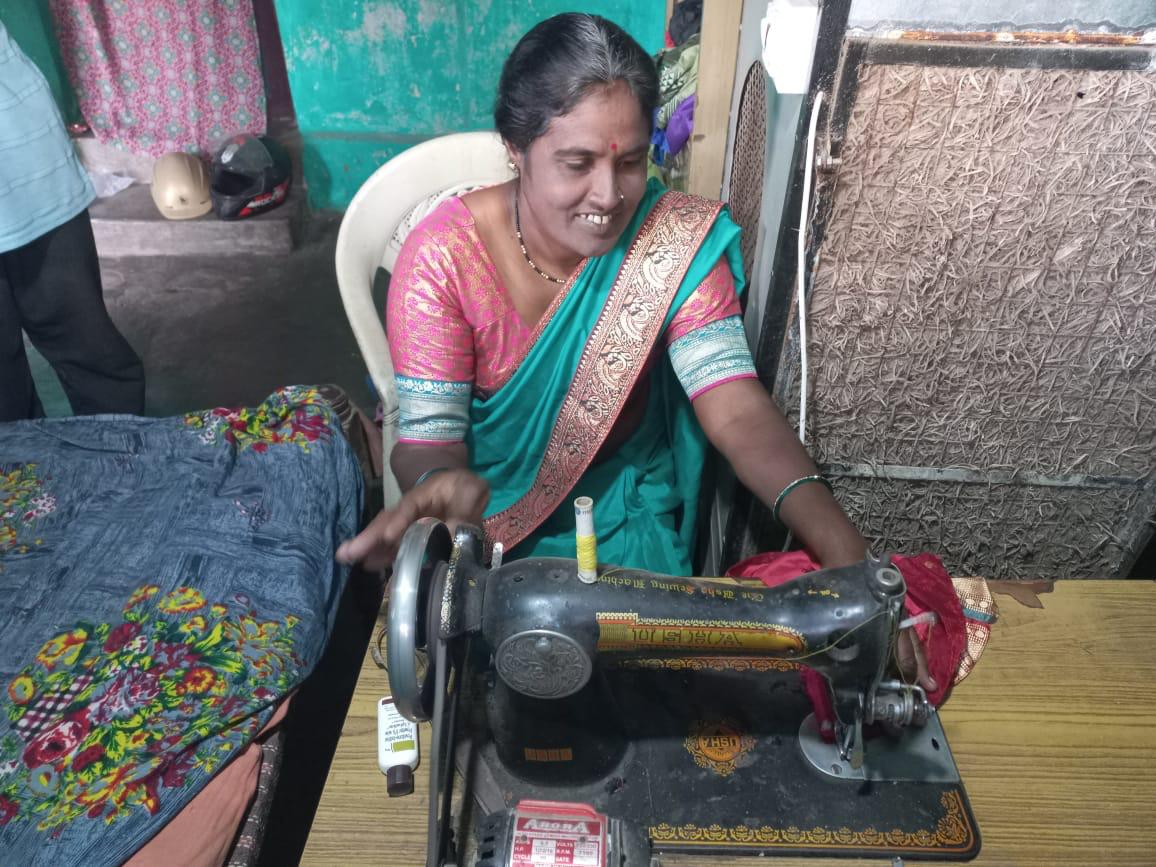
Devrao’s wife, Asha Bobade too, has built multiple streams of income. Since 2001, she has been part of the Chetna Mahila Bachagat (SHG) where she took her first loan to start her business in animal husbandry and then later on in tailoring. Over a period of time, she began rearing buffaloes, managing a small dairy that provide 10-20 litres of milk daily along with curd and ghee for the community. This brings in about Rs. 10,000-15,000 annually. Alongside this, she started a tailoring and cloth-selling business, earning an additional Rs. 20,000-25,000.
Skilling the Next Generation
Rural youth are the future, and skills are their gateway to careers. Through our Skill and Entrepreneurship Development Institutes (SEDIs), young men and women are trained in market-relevant courses and placed in jobs—or encouraged to set up businesses of their own.
Importantly, many are breaking stereotypes. Increasingly, young women are training in trades such as welding, electrical work, and automobile repair—fields once closed to them. Beyond placements, SEDI nurtures youth entrepreneurs who establish service centres, shops, or agri-businesses in their local communities. These ventures not only secure livelihoods for individuals but also generate jobs for others, kickstarting rural economies.
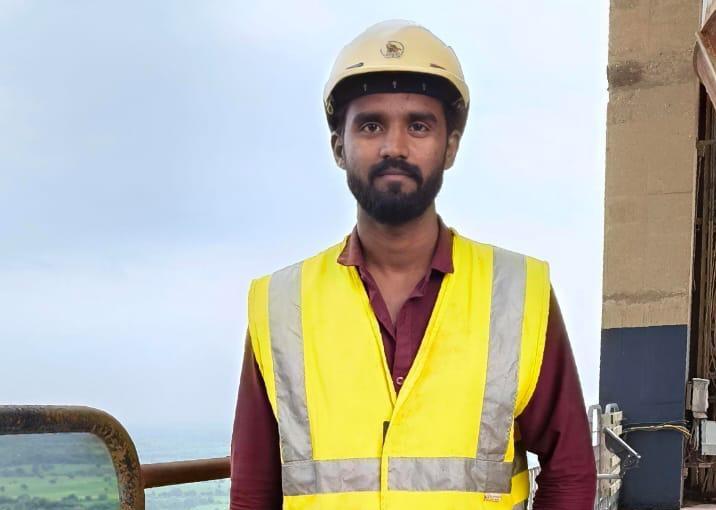
Devrao and Asha Bobade’s son, Aryan wanted to add to the family’s income through alternate means. He joined the welding course at SEDI Chandrapur, completed his apprenticeship, and now works at a Cement Plant in Upparwahi. He earns about Rs. 500 per day, contributing steadily to the family income.
A Household Transformed
This household approach is what makes the model sustainable. One farmer’s improved yields, his wife’s enterprise, and their child’s skilling together create a diversified income base. Families reduce their dependence on any single source, cushion themselves from climate shocks, and move steadily toward prosperity, as clearly illustrated by the Bobade family.
By reimagining livelihoods at the household level, Ambuja Foundation is building resilient rural economies. Agriculture remains important, but it is not the only focus. A family that farms smarter, rears livestock, runs an enterprise, and has skilled youth ready for jobs is not just surviving—it is thriving.