.jpg)
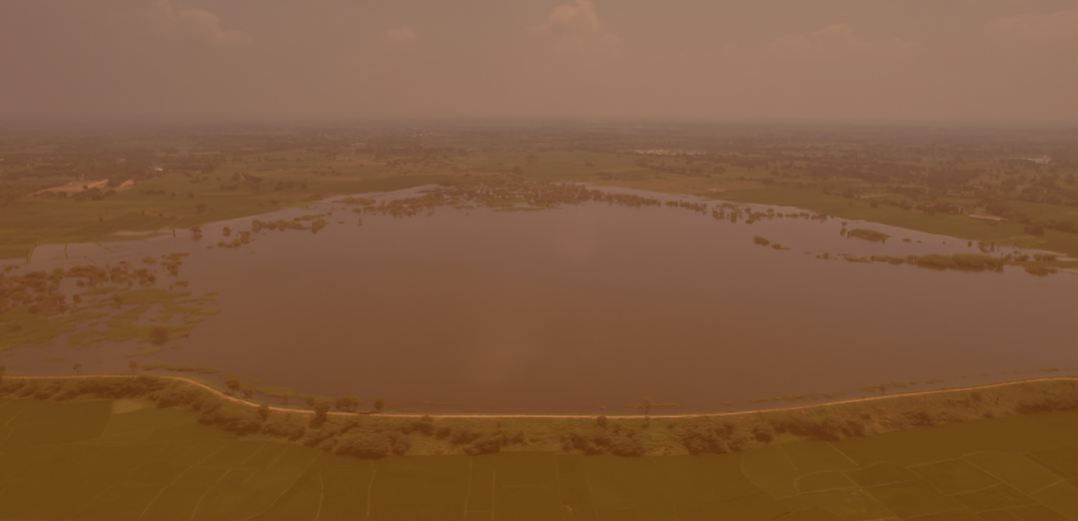
Paddy, still the dominant crop, is grown year-round using flood irrigation that wastes water and contributes to monocropping, soil degradation and declining yields. Poor land and water management—such as silted ponds and unlined channels—further reduce productivity. Promoting crop diversification, efficient irrigation and stronger water governance is essential to build climate-resilient farming systems and protect rural livelihoods.
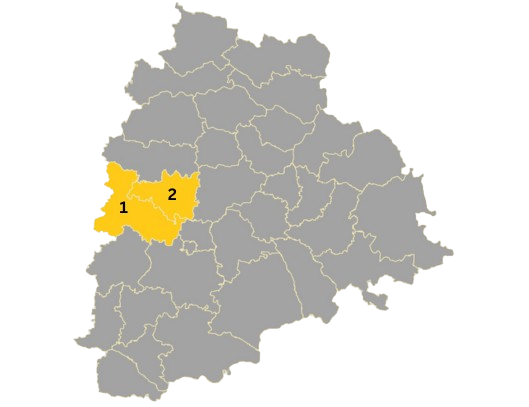
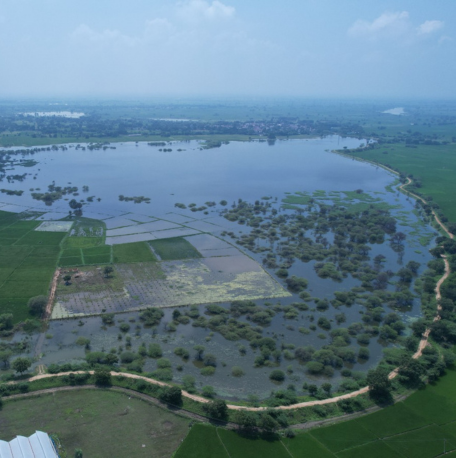
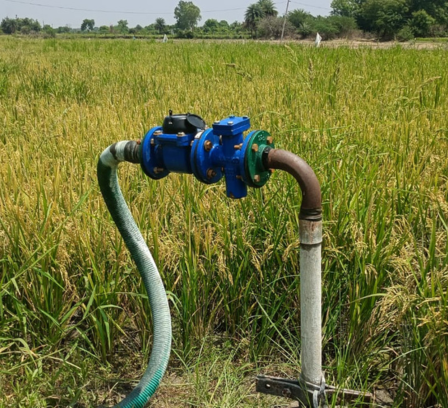
Ambuja Foundation is addressing water scarcity through a mix of conservation and recharge efforts. Check dams and ponds are being repaired and deepened to boost water storage, while structures like soak pits, gabion walls and roof rainwater harvesting systems are built to recharge groundwater. Lift irrigation, group borewells and drip and sprinkler systems help reduce water use and combat soil erosion. Drinking water pipelines have also been laid in villages to improve access.
Tanks are rejuvenated through desiltation, with the removed silt used to enrich nearby farms and strengthen bunds—improving both soil fertility and groundwater recharge. Ten drinking water sources were renovated, benefiting 722 families and 308 students (including 156 girls), through minor repairs of taps and pipelines, along with a new storage tank. Repairs were also made to bathroom doors in three primary schools and Anganwadi centres, enhancing sanitation.
Additional water storage created
Check Dams with 10,000 KL water storage
Families benefited
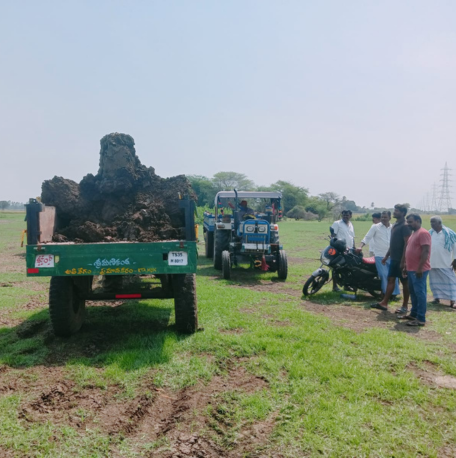
As part of the soil health monitoring programme, soil samples were collected from ponds and from farmers’ fields where desilted pond silt had been applied. These samples, representing different villages, were sent to the Soil Testing Laboratory in Sangareddy district for analysis. Based on the results, farmers were advised to apply only the specific micronutrients their soil requires, helping them avoid unnecessary input costs while improving soil health and crop productivity.
To further support sustainable agriculture, the project also promoted water-efficient practices such as Alternate Wetting and Drying (AWD) for paddy cultivation and installed drip irrigation systems in selected farms. These techniques help reduce water use, improve soil conditions and contribute to better yields.
Farmers silt applied at 270 Ha farmlands in 30 villages
A heavily silted, dried-up pond had lost its ability to store water or recharge groundwater, leaving nearby farmland unproductive. Ambuja Foundation restored the pond by clearing inlet channels, removing wild vegetation and desilting it. The excavated silt was applied to nearby farms, improving soil nutrients and increasing crop productivity by 7–8%. As a result, groundwater levels rose by 2–5 metres and 7 acres of barren land became cultivable.
With improved water availability for irrigation and livestock, farmers now have more reliable resources. Ambuja Foundation also introduced drip irrigation, poly mulch and essential agri-inputs like neem oil and weedicides. Farmers were trained by the local KVK on improved vegetable cultivation practices and use of technology. The rejuvenated pond has not only revived agriculture but also renewed hope in the community.