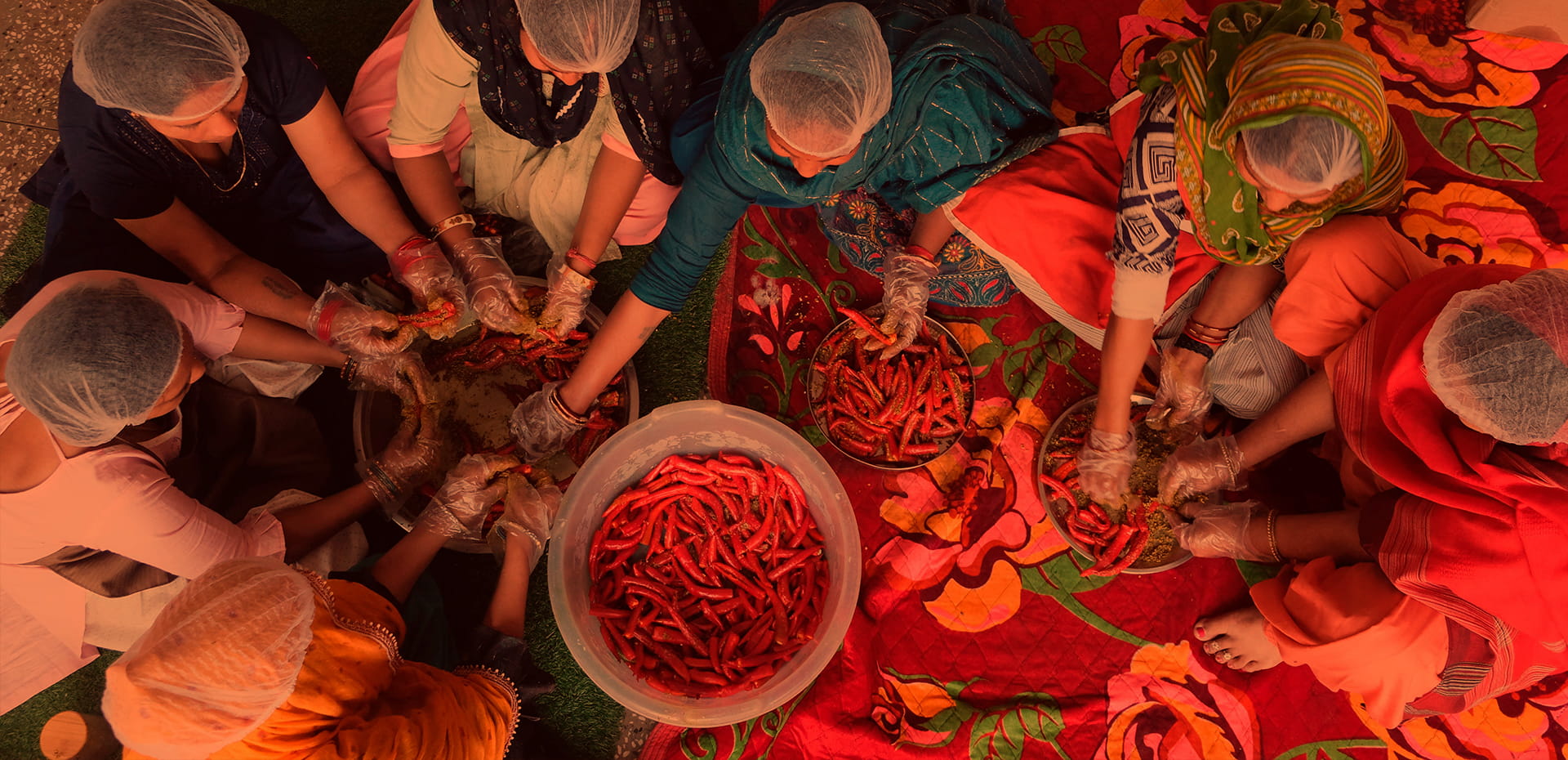
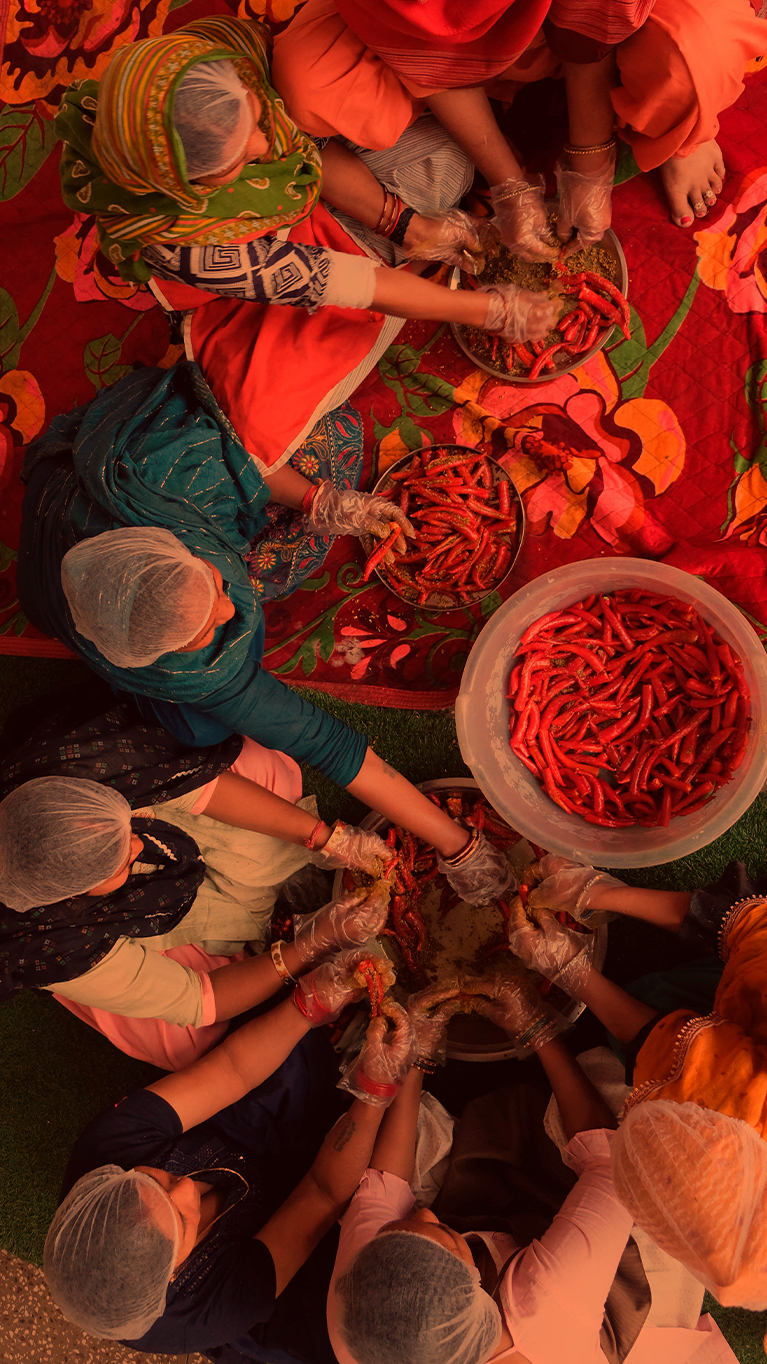
Across rural India, farmer and women-led collectives are moving beyond production to value addition, branding, and direct market access. Supported by Ambuja Foundation, these cooperatives are building their very own independent enterprises — on their own terms.
Ambuja Foundation enables the establishment and growth of farmer cooperatives and women’s collectives to move beyond subsistence livelihoods — supporting them to add value, build brands, and sell directly to consumers.
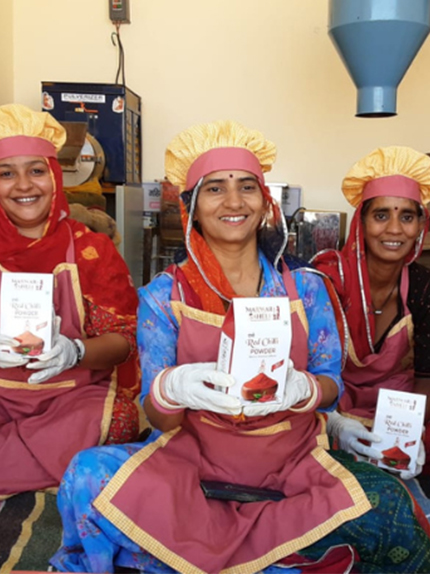
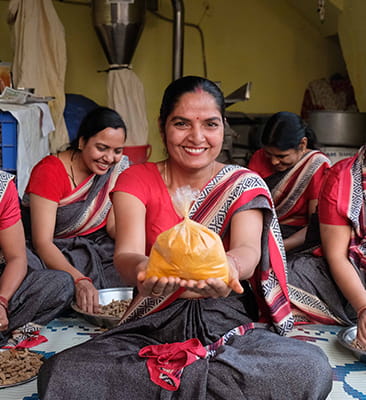
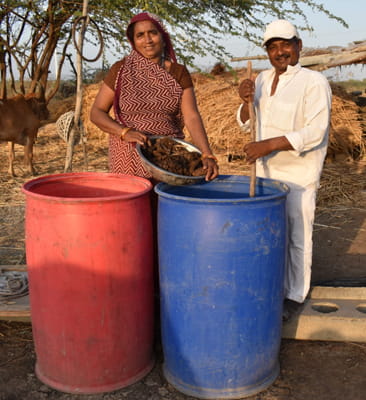
Born from the collective strength of rural women in Marwar, Marwar Saheli is a women-led enterprise focused on natural spices, home-made papads and biscuits – harnessing local traditions and authentic flavours for the creation of unique products.
Run entirely by women, the enterprise blends heritage skills with modern market access — enabling members to earn sustainably while retaining ownership over their work and identity.
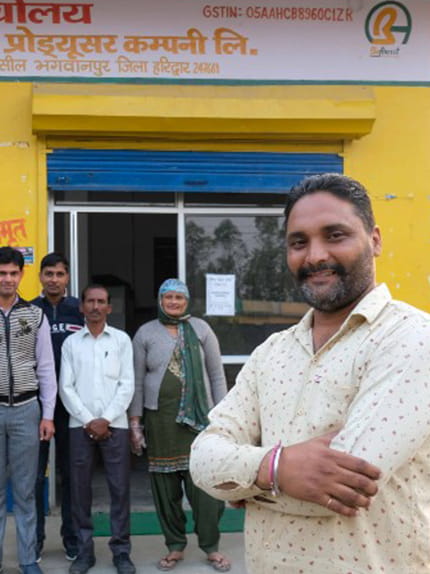
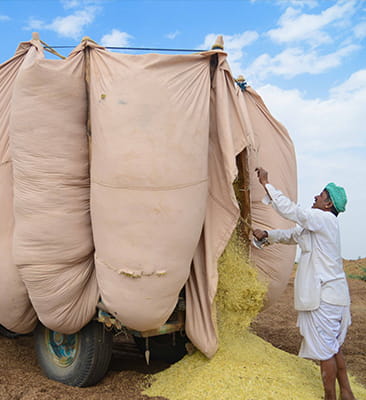
Bhuamrit brings the best of Uttarakhand's farm directly to consumers, producing value-added, high-quality agricultural products including basmati rice, organic jaggery, natural honey, mustard oil, wheat flour, and more.
The cooperative empowers farmers to manage production, quality, branding, and sales — turning farm outputs into market-ready products and giving them direct access to customers.
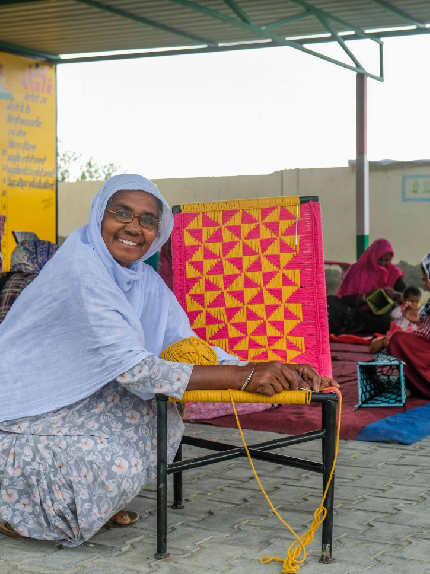
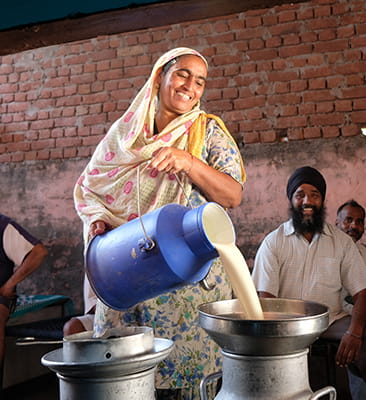
Virasat-e-Malwa celebrates the rich craft heritage of the Malwa region of Punjab through skillfully crafted, value-added products.
The collective unites 220 women producers who oversee sourcing, production, branding, and sales — turning traditional handicrafts like Phulkari, Panji Dari, and woven products into thriving rural enterprises with direct consumer access.
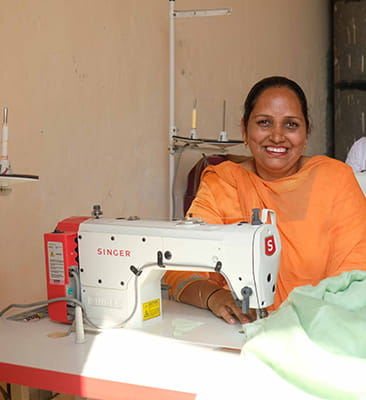
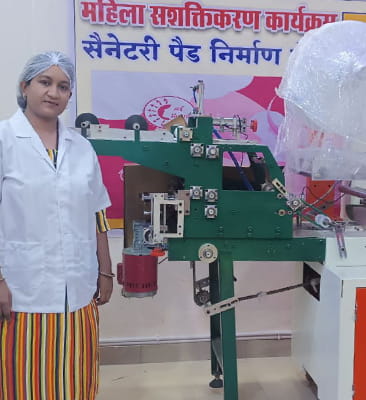
Ambuja Foundation’s role is to enable — not operate — these enterprises.

Form strong collectives and cooperatives that bring producers together

Develop capacities in value addition, quality control, and enterprise management

Support branding, compliance and digital market access for growth

Strengthen systems so enterprises remain community – owned and sustainable
These enterprises represent what’s possible when communities control production, value, and markets. Explore their work. Buy directly from them. Support rural enterprises that are owned by the people who build them.