Community Collectives Ambuja Foundation promoted Community Based Enterprises

Enterprises Built on the Ground. Owned by Communities.

Across rural India, farmer and women-led collectives are moving beyond production to value addition, branding, and direct market access. Supported by Ambuja Foundation, these cooperatives are building their very own independent enterprises — on their own terms.

From Livelihoods to Enterprises

True rural resilience is built when communities own not just their work,
but their markets.

Ambuja Foundation enables the establishment and growth farmer cooperatives and women’s collectives to move beyond subsistence livelihoods — supporting them to add value, build brands, and sell directly to consumers

Grassroot Brands, Online!

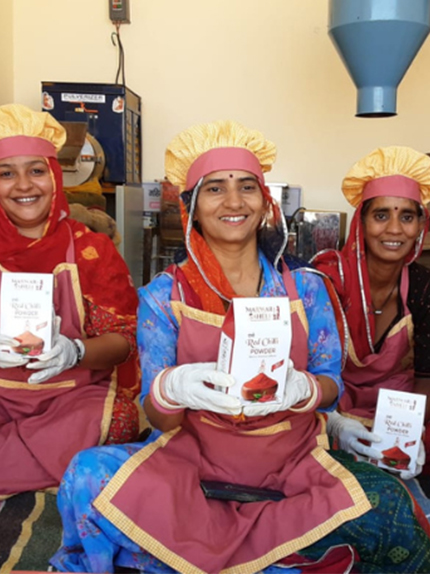
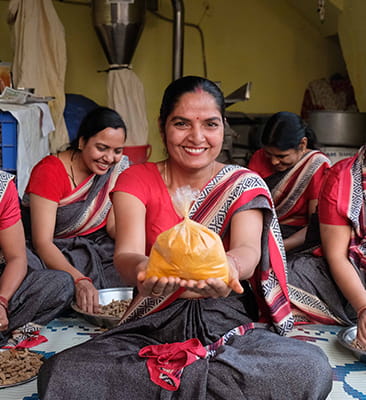
Born from the collective strength of rural women in Marwar, Marwar Saheli is a women-led enterprise focused on natural spices, home-made papads and biscuits – harnessing local traditions and authentic flavours for the creation of unique products.

Run entirely by women, the enterprise blends heritage skills with modern market access — enabling members to earn sustainably while retaining ownership over their work and identity.
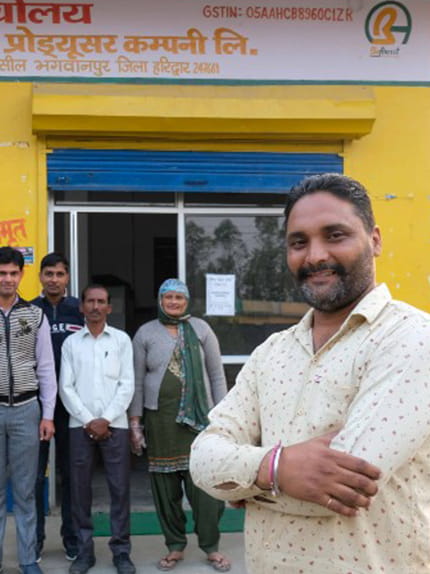
Bhuamrit brings the best of Punjab’s farms directly to consumers, producing value-added, high-quality agricultural products including basmati rice, organic jaggery, natural honey, mustard oil, wheat flour, and more.

The cooperative empowers farmers to manage production, quality, branding, and sales — turning farm outputs into market-ready products and giving them direct access to customers.
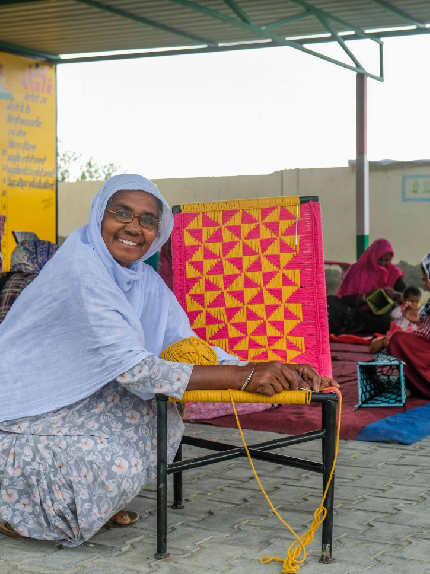
Virasat-e-Malwa celebrates the rich craft heritage of the Malwa region through skillfully crafted, value-added products.

The collective unites 220 women producers who oversee sourcing, production, branding, and sales — turning traditional handicrafts like Phulkari, Panji Dari, and woven products into thriving rural enterprises with direct consumer access.
Sector Based Enterprises

Embroidery & Tailoring
Dadri, Bhagwanpur, Jharcha

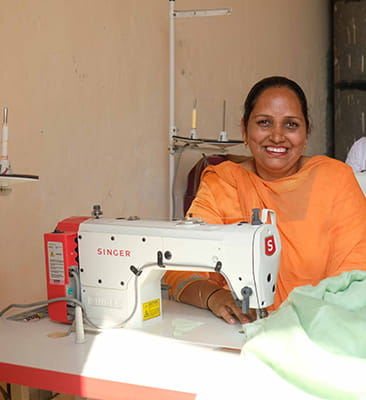
Women with basic stitching and embroidery skills have enhanced their capabilities through structured training, enabling them to produce higher-quality goods and meet deadlines. They now work in knitting, embroidery and tailoring, running individual or collective enterprises supported by Common Facility Centres. Some have opened fashion boutiques, gaining additional income, economic independence, and greater decision-making power in their families.

Food & Spices
Dadri, Bathinda, Bhagwanpur, Marwa Mundwa

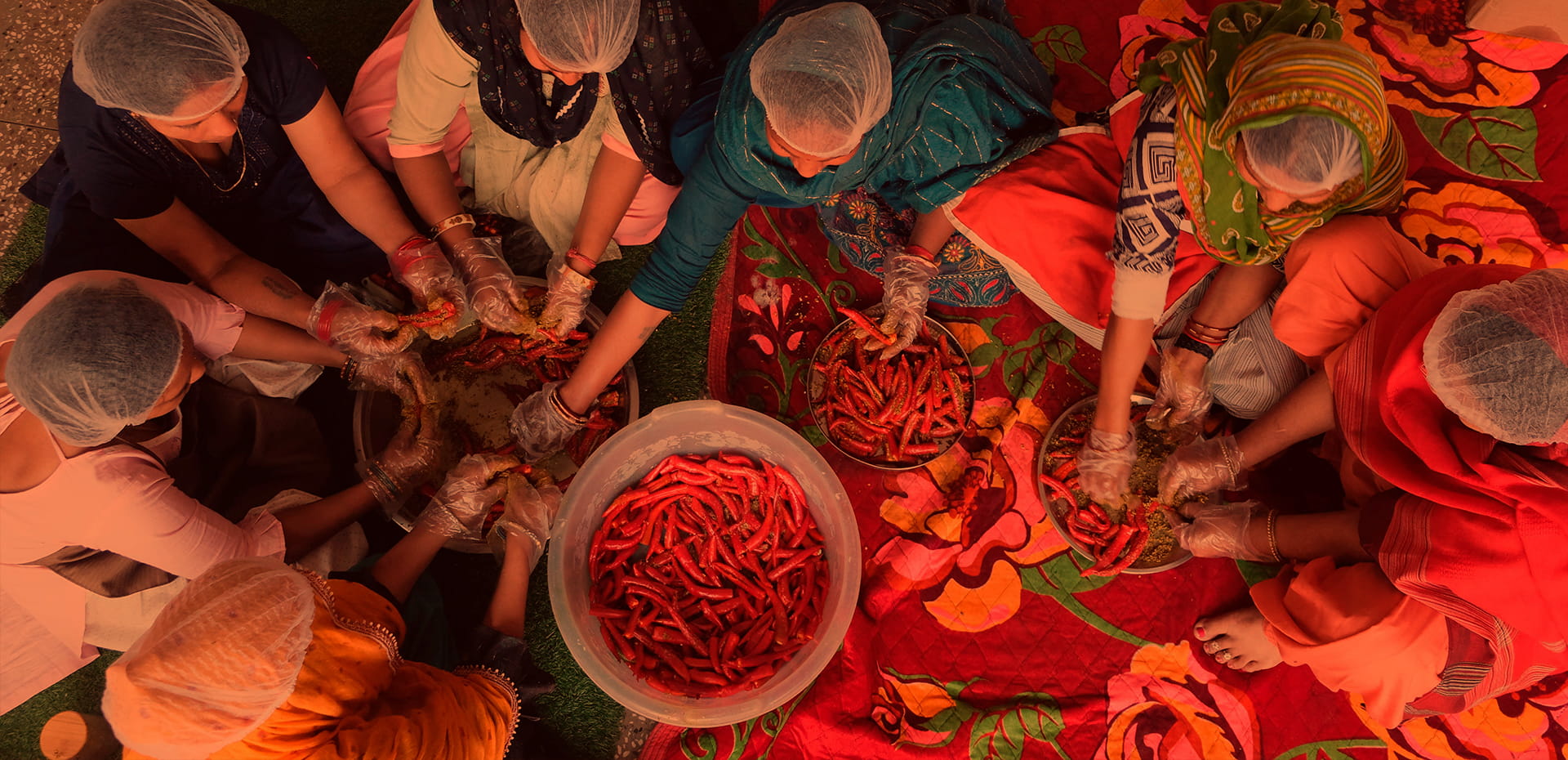
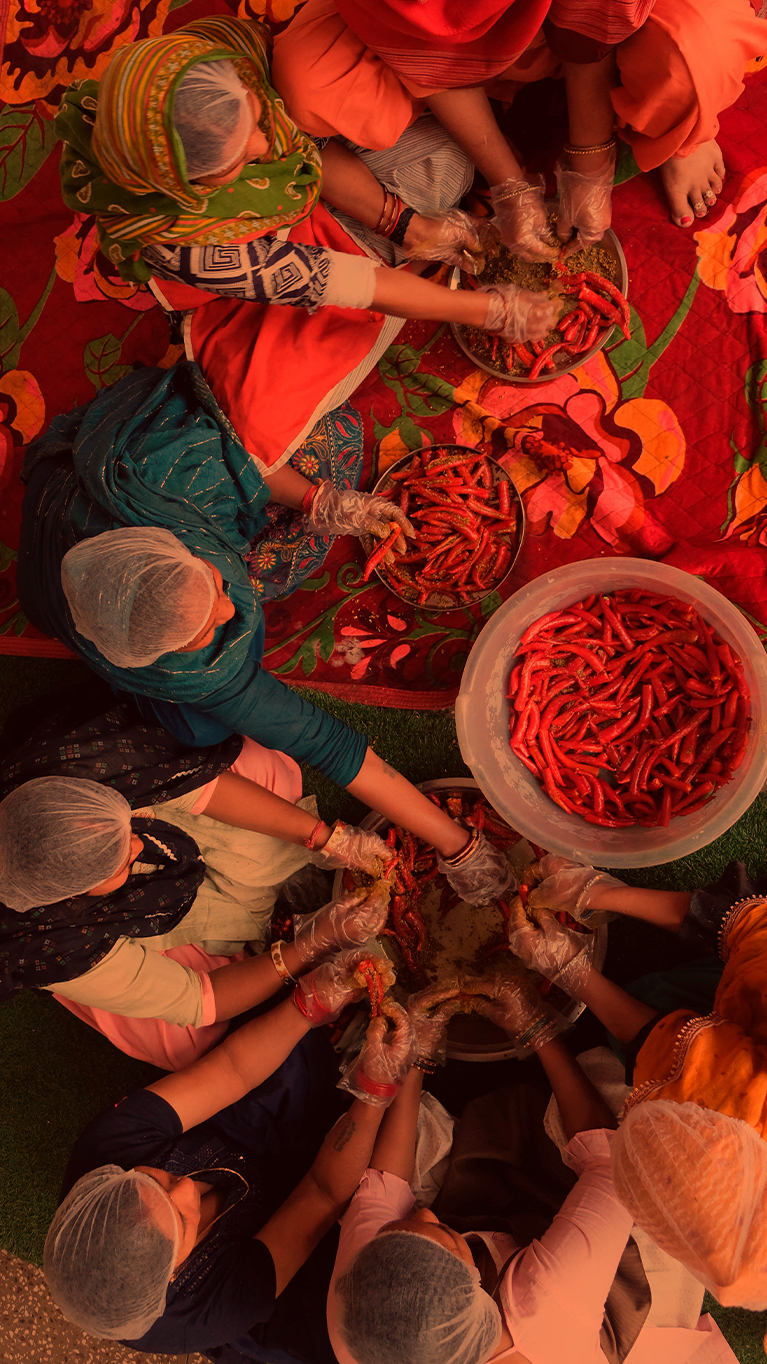
What began as saving-focused SHGs has now grown into women-led business enterprises. Women have come together to produce pickles, papads, oil, biscuits, spice powders, ghee, and pulses, earning additional income while sharing traditional knowledge and training others to strengthen participation. Following standards from quality control to packaging and storage, they run sustainable, professional businesses supported by targeted training, exposure visits, and market linkages. Notably, one women’s group in Chandrapur has even launched a food canteen serving restaurant-style meals to Ambuja Cement workers.

Farm Inputs
Chandrapur, Hingna, Patiala, Agra, Varanasi

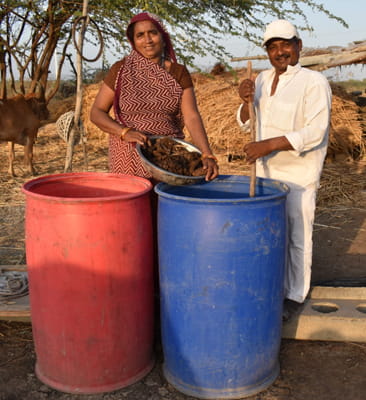
Women’s groups prepare and sell homemade bio-inputs like biofertilizers and biopesticides (Neem Ark, Dashparni, Nimoli decoctions, Agni Astra, Jeevamrut, Ghan Jeevamrut) to improve soil health, reduce chemical use, and promote sustainable agriculture. They also make yellow sticky traps for pest monitoring and control. In addition, SHGs and FPOs run farm machinery banks, providing access to seed drills, cultivators, cotton shredders, happy seeders, and bed-making machines to reduce labor, boost productivity, and support environmentally responsible farming.

Dairy
Darlaghat, Kodinar

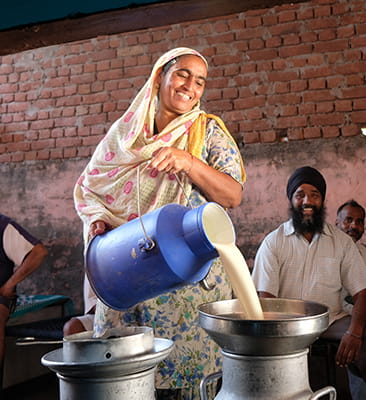
Women’s cooperatives collectively sell milk to dairy centres, gaining better market access and fair pricing. Guided by Pashu Sakhis on animal care, breeding, and milk quality, they also produce value-added products like yogurt and cottage cheese, boosting income, entrepreneurship, and livestock productivity.

Alternative Fuels
Kodinar, Darlaghat, Rabriyawas and Ropar

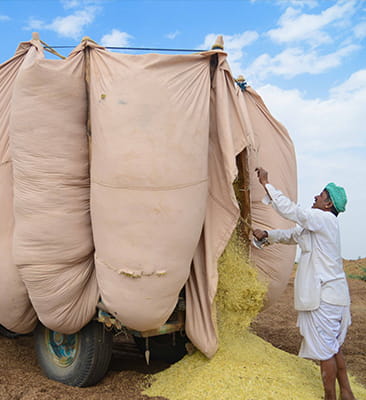
Farmer Producer Organizations (FPOs) are supplying agricultural waste (biomass) to industries as an alternative fuel, creating a sustainable link between farmers and industrial energy needs. By replacing expensive coal with locally available biomass such as mustard husk and juilflora, industries gain a cost-effective, cleaner energy source while farmers earn additional income from what was previously considered waste. This approach reduces environmental pollution from crop residue burning, cuts carbon emissions, and promotes resource efficiency within a circular economy.

Sanitary Napkins
Kodinar, Darlaghat, Chattisgarh

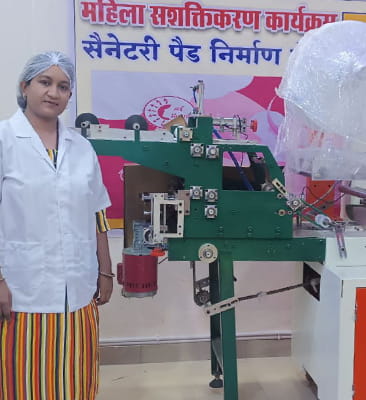
Menstrual hygiene remains an important yet often taboo issue in India. To address this, women-led SHGs have turned it into an opportunity by setting up micro-enterprises producing affordable, gel-based, biodegradable sanitary pads. They are also trained as marketing agents, earning Rs. 2 per sale, which strengthens the supply chain while educating women and girls on menstrual hygiene, supporting a home-based, community-owned enterprise.

HOW AMBUJA FOUNDATION ENABLES

Ambuja Foundation’s role is to enable — not operate — these enterprises.

Organising

Form strong collectives and cooperatives that bring producers together

Building Skills

Develop capacities in value addition, quality control, and enterprise management

Branding & Marketing

Support branding, compliance and digital market access for growth

Governance

Strengthen systems so enterprises remain community – owned and sustainable.

Why Community-Owned Enterprises Matter?

These enterprises represent what’s possible when communities control production, value, and markets. Explore their work. Buy directly from them. Support rural enterprises that are owned by the people who build them.

Producers extract greater value from their work

Local skills and traditions translate into viable businesses

Income diversification strengthens household resilience

Rural enterprises reduce dependence on intermediaries

Communities gain confidence, voice, and economic agency