
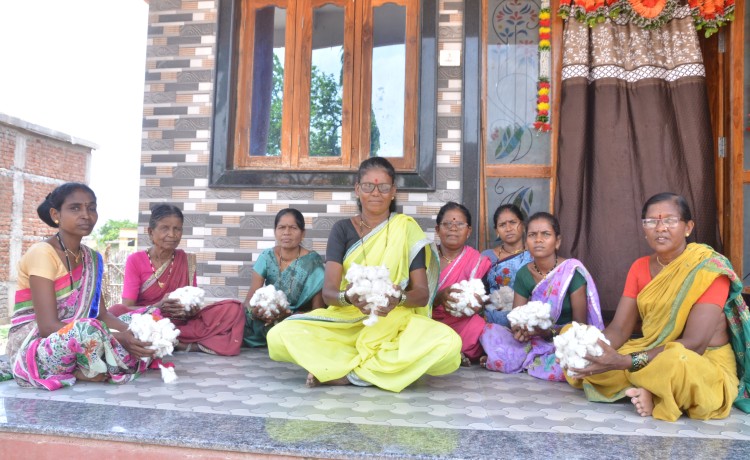
In the heart of Chandrapur’s Rajura block lies Devada, a quiet farming village where cotton reigns supreme. With 264 of its 298 households cultivating over 2200 acres, agriculture is more than a livelihood—it’s a way of life. But it was defined by outdated practices, limited tools and little access to credit.
Read more
Women
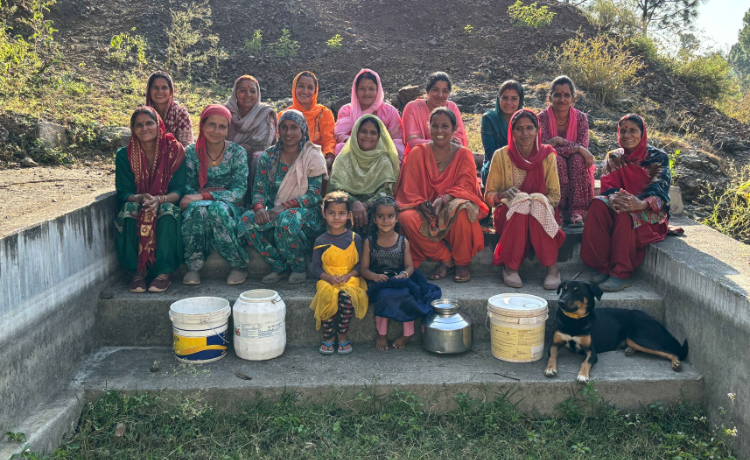
In Banli village of Chandi gram panchayat, Himachal Pradesh, access to water was a daily struggle. For decades, women carried water from a traditional bouri—a small natural well that collects rainwater and is used for irrigation or drinking.
Read more
September 19, 2025
Women
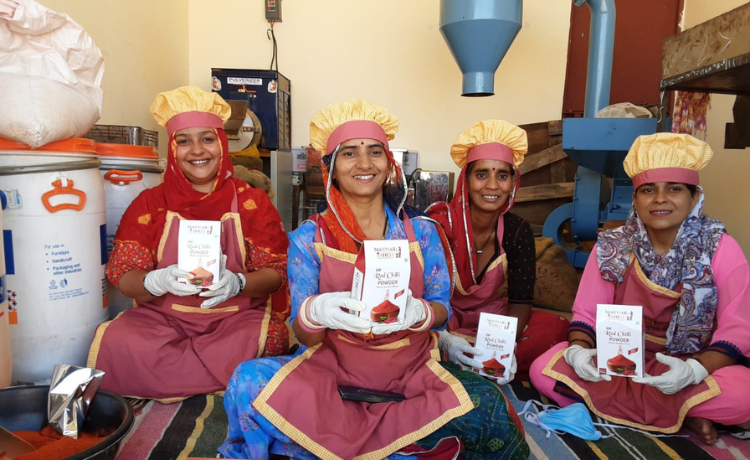
"When women are empowered, society benefits in every way." – Mahatma Gandhi
Read more
September 11, 2025
Women
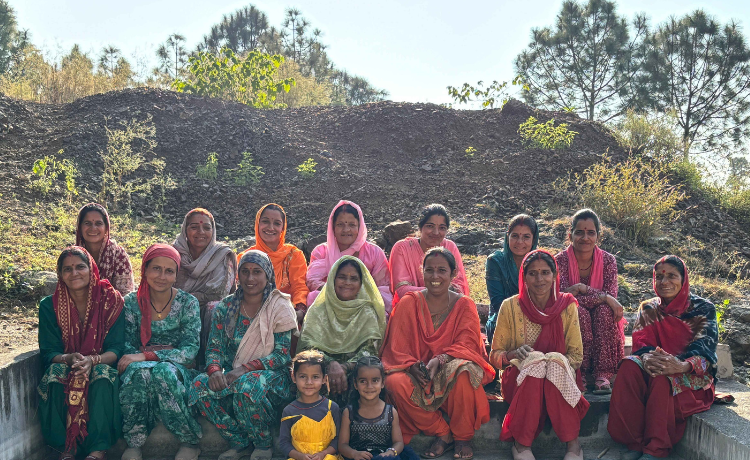
India is home to the fourth-largest agricultural sector in the world and a crucial part of the country’s economy. As agranian labour, women’s participation has always been significant, with estimates ranging from 63% to 80%.
Read more
June 02, 2025
Women
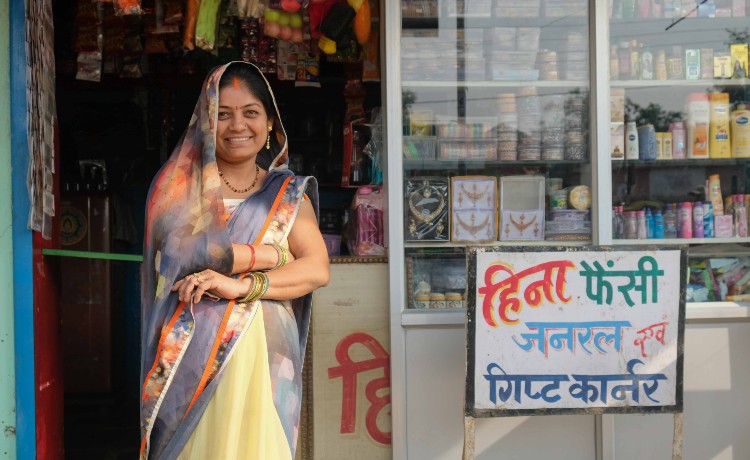
A movement is underway across India, to empower women to become ‘lakhpati didis!’ Ambuja Foundation is playing its part – encouraging rural women to strive for a Rs. 1 lakh income and fostering micro enterprises along the way.
Read more
October 20, 2024
Women
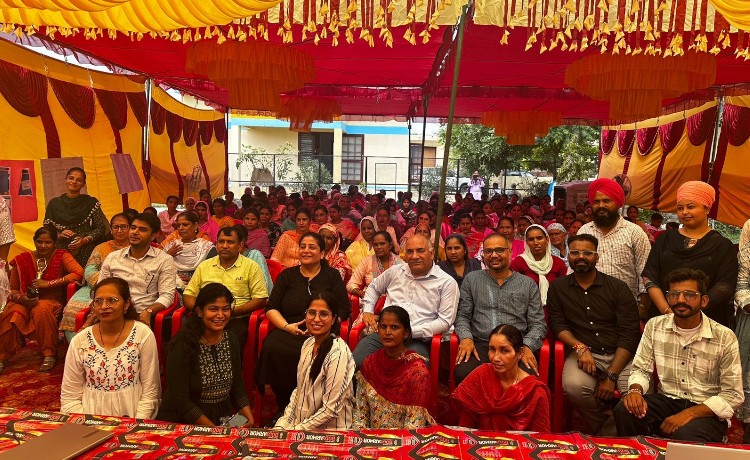
An event organized by Ambuja Foundation and Apparel Made-Ups & Home Furnishing Sector Skill Council organized an event in August for the women of Virasat to foster continuous improvement and excellence in the workplace.
Read more
September 04, 2024
Women
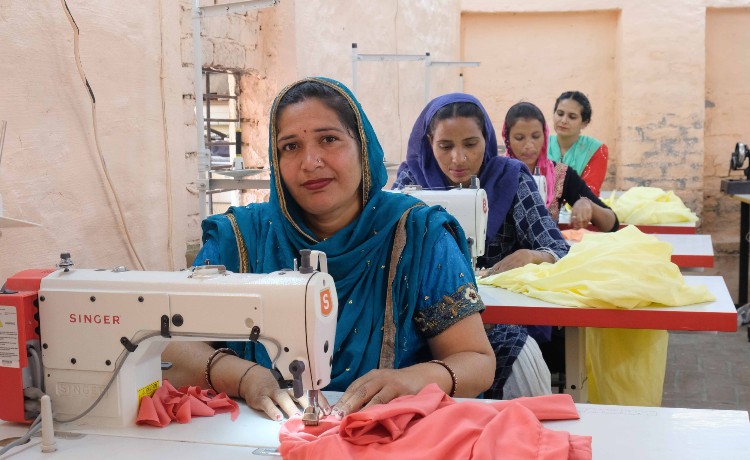
A grassroots movement is underway in Punjab! Women from the districts of Bathinda, Kotbhai and Rajpura are honing their skills, reviving traditional handicrafts and becoming breadwinners in their families – all via the Virasat- E-Malwa collective. And one of the driving forces behind it, is Karamjeet Kaur.
Read more
August 25, 2024
Women
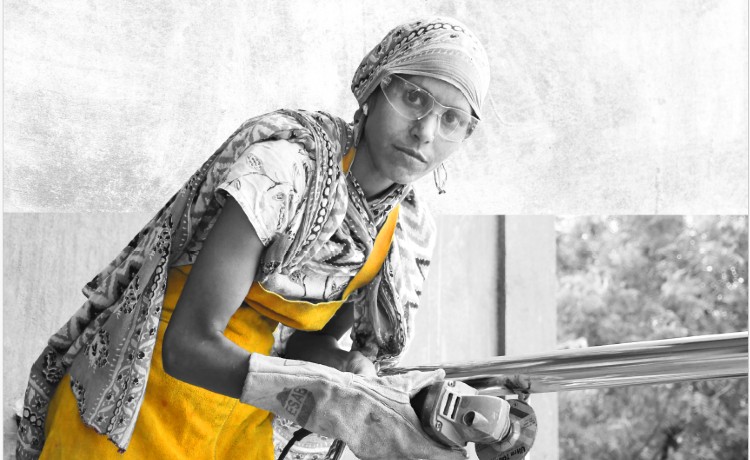
Unpaid care and domestic work is highlighted by the United Nations as one of the many hindrances to women’s right and ability to access decent and productive work. Did you know that in India, women spend up to 352 minutes per day on unpaid domestic work – 577% more than men who spend approximately 52 minutes. This means that 3 out of every 4 Indian women are not working outside the home and many have aspirations to do so!
Read more
March 06, 2024
Women
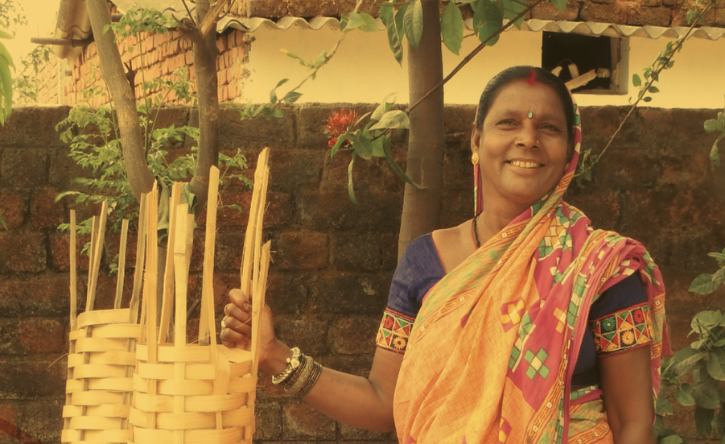
Villagers of Arjuni live nestled on the fringes of the Barnawapara forest and are primarily Adivasi tribals – relying on the gifts of the forest for their livelihoods. Here, the primary source of income is found in weaving traditional bamboo products – baskets, brooms, fans and other household utility and decorative items.
Read more
August 24, 2023
Women
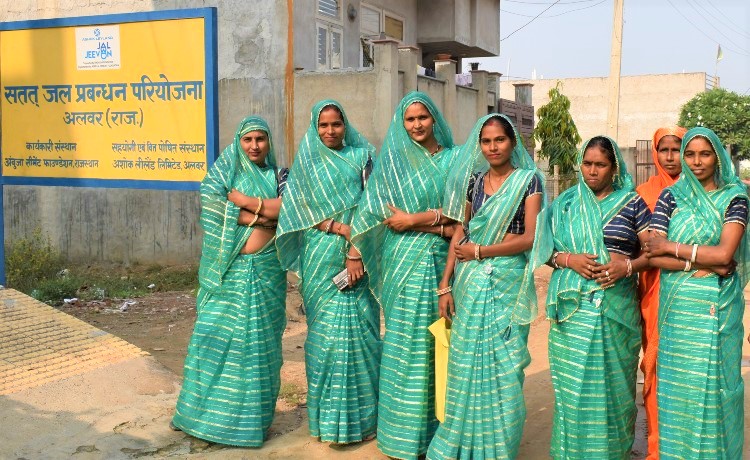
In rural India, where people are dependent on groundwater or weekly municipal water supply, getting fresh water every day is a major household chore, mostly shouldered by women. On an average, it takes about three hours to fetch water to meet the needs of a family of four - a rough estimate for when the water source is within a 2 to 5 km radius.
Read more
April 26, 2023
Women
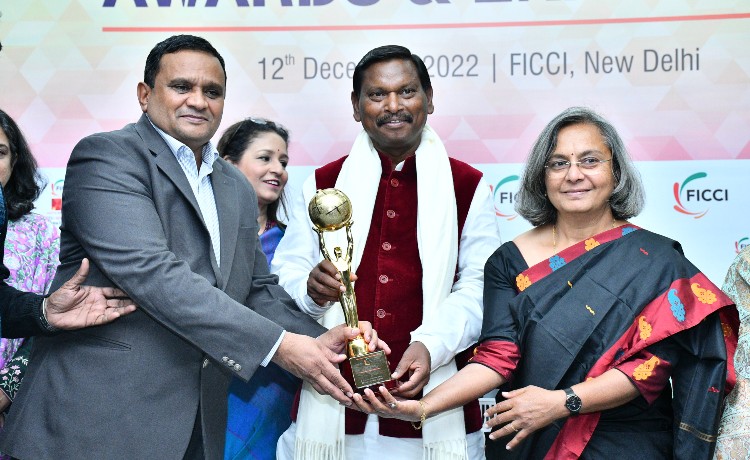
Ambuja Foundation, part of Adani Group has won FICCI CSR Award for the company in the women empowerment category. The award has been presented at the CSR Summit in the attendance of all highly esteemed representatives from the industry.
Read more
December 14, 2022
Women
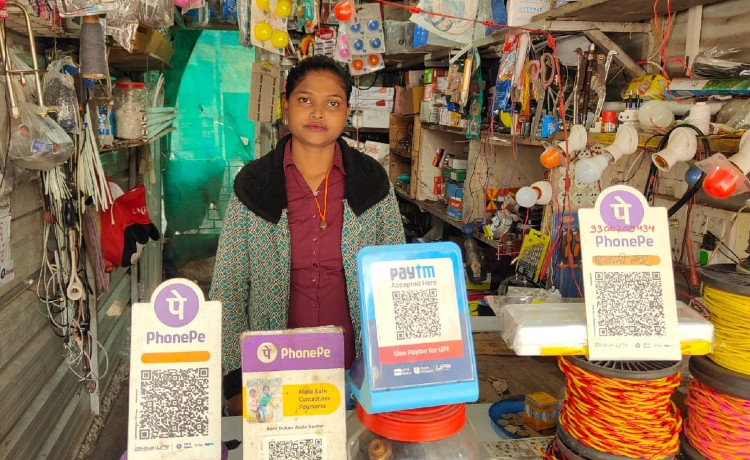
Shivani Sahu from Khajari village is a hardworking girl who decided to buck the trend and join the male-dominated electrical course. After training, she was placed in Snyder Company, Hyderabad, where her salary was ₹ 11,000. However, due to poor health, she left the job and came back to Chhindwara – securing another job at Wire Harness Company Pithampur where her salary was ₹ 10000.
Read more
November 23, 2022
BLOG ARCHIVE
- Healthcare at the Last Mile: Training Grassroots Workers
- Mental Health Program Expands to 9 Locations
- Marico Limited and Ambuja Foundation Partner for Water
- From Playgrounds to Podiums
- The Cotton Queens of Chandrapur
- Highway to health
- Household Income Soars – One child at a time
- Never too late to prosper
- The Bouri Sisters
- Health - One Layer at a time
- The Many Varied Shades of Jashuben
- The Lombu Legend
- Aspiration to Enterprise: The Story of Marwar Saheli
- Beyond Compliance: How SKF India & Ambuja Foundation Are Building Prosperous Rural Communities
- Cervical Cancer Screening Training for Community Health Workers
- Ambuja Foundation and Yes Foundation to skill semi - urban youth in 6 states
- Ambuja Foundation and Voltas join hands to uplift rural health and education in Gujarat
- The Intersection of Water, Health, and Agriculture: A Call for Integrated Solutions in Rural Development
- Re-wiring Rural Health
- District-Level Sports Meet in Darlaghat for ITI
- A Rural Roadmap to End Plastic Pollution
- 2.7 lakh people benefited with Hinduja Group
- Doing What They Do Best The Prince Pipes Story
- Women Hold Up Half The Sky
- Holistic Rural Development program by Ambuja Foundation
- When You Educate a Woman…
- World Water Day: Ambuja Foundation Champions Water Conservation at the Grassroots
- Multiple launches with HDFC Bank Parivartan
- 4,500 Lives Transformed: Inside Project SUMAN’s Rural Revolution
- SBI Funds Management Limited partners with Ambuja Foundation to Empower Youth through New Skill Centres
- Sun Pharma & Ambuja Foundation launch Water Program in Dhari
- Climate Change & Classrooms: Eco-Citizens
- Solar Energy and Rural Sustainability: A Path Toward Greener Communities
- Celebrating the Role of Pulses in Climate Smart Agriculture
- Ambuja Foundation hosts Breast Cancer Awareness Program
- Ambuja Manovikas Kendra Celebrates 25 Years of Empowerment
- Terrace Farming - Revitalizing Agriculture
- Confronting a Stubborn Weakness: Anaemia Control
- Ambuja Foundation Ignites ‘Health Movement’ in Villages
- Breaking Royal Barriers
- From Bidi Rolling to Business
- The Goat Revolution
- The Women's Water Coup
- SHG Women Venture into ‘Crop Residue’ Business
- Giving Students ‘International’ Wings
- Artisan Revival-Empowering Women as Breadwinners
- The Waste Segregation Crusade!
- Backing & Building a ‘Community Library’
- Ambuja Foundation and IHCL in Gir
- Community Libraries Make Books & Reading ‘Accessible’ to All!
- Scaling the Ladder: Exploring the Growth Potential for Women-Led Nano Enterprises
- Ambuja Foundation puts Spotlight on Climate Resilience through Watershed Initiative
- Ambuja Manovikas Kendra Students Bag Top Honour at North Zone cultural competition
- Via Incremental Change, Transformation is Possible!
- Win-Win: Its Good for People & Good for the Company
- Ambuja Foundation Initiates Self-Defense Classes in Chandrapur
- Transforming Water Management in Chomu District: Prince Pipes and Ambuja Foundation
- Ambuja Foundation and IndusInd Bank Partner to Launch Integrated Water Resource Management Initiative
- Ambuja Foundation partners with SDN to use Wadhwani Curricula
- Ambuja Foundation and HDFC Bank Parivartan collaboration
- 6 Ways Ambuja Foundation is Enabling Farmers to Adapt to Climate Change
- Grassroots Approach Required to Catch Breast Cancer Early
- Athletics for All
- Rewiring Health
- Neem Oil - Liquid Gold for Women
- The 2-Wheeler King
- The Farm Whisperer
- Igniting a Water Literacy Movement
- Community Owned & Operated Clinics
- Navjot Cycle Rickshaw Walla
- Adivasi Bamboo Revival
- Empowering Rural Youth for Nation Building!
- Ambuja Foundation showcases Women Empowerment Program at G20
- Breaking Barriers – First Generation Skilled Workers
- SEDI Chandrapur - Best ITI Award
- AMK’s Priya Devi wins Silver at World Special Olympics
- Collaborative Efforts of HZL & Ambuja paying off to Society
- Enabling Integrated Enterprise Development - From Siloed Solutions to Systemic Change
- Are MSMEs the Answer to Sustainable Development
- What Works in Rural Drinking Water Governance
- Ambuja Foundation Launches ‘Tobacco Free Workplace’
- The Thrill of World Environment Day Celebrations
- Community Action to Revive Water Sources Helps Fight Desertification & Drought in Rajasthan
- Ambuja Foundation to revive 26 water bodies in Rajasthan
- 1,00,000 Youth Skilled across 10 States by Ambuja Foundation’s SEDI Initiative
- Constructive Collaboration Solving Issues of 'Bharat'
- Study on Farakka Highlights Rs. 9.91 Social Return on Investment
- Empowering Women Through Water – Sujal Jankars
- AMK wins at the Punjab State Level Cultural Competition
- Time to ‘Turn Up The Volume’ at Ambuja Foundation
- Ambuja Foundation partners with NABARD to implement Watershed in Punjab
- Ambuja Foundation wins the ICC Social Impact Award ‘23
- Implications of climate change on water utilities and the need for adaptation strategies
- Indian Farmers - The Lynchpin of Soil Health
- Ambuja Foundation Awarded With ‘Excellence in Financial Reporting’ by ICAI
- Ambuja Foundation Facilitated FPO & SHG Awarded by NABARD
- Ambuja Foundation Awarded ‘Development Catalyst, 2022’
- Transparency & Processes – Inculcated from the Start
- Cashing in on Goats - the ‘Poor Man’s Bank’
- Happy New Year, & May You Thrive in 2023!
- Ambuja's Watershed Intervention Reduces Soil Erosion
- Ambuja Foundation wins FICCI CSR award for Ambuja Cements in the Women Empowerment Category
- Khul: Reviving Agriculture in the Hills
- Vermicompost: Entrepreneurs leads from the front
- AMK bags Punjab Olympics for 15th Consecutive Time
- Traditional harvesting systems essential for water security
- Free Health Camp in Kashlog, Himachal Pradesh
- Ambuja Foundation West Bengal Wins Social Leadership Award
- Rural Water: The Top Priority for Ambuja Foundation
- Putting Salinity on the National Agenda
- ‘WADI’ Double’s Tribal Farmer Incomes
- Youth Build Careers, with SEDI
- Mini Science Centre
- Livelihood Fund
- Electricians cum Entrepreneurs
- Sewing Uplifts Girls
- Tackling Malnutrition in UP
- NEONATAL MORTALITY RATES PLUMMET
- Cleaning Up Cotton
- Organic farming – Roorkee
- Ponds Transform a Desert
- Women Vets Kickstart White Revolution
- Sakhi Ensures 100% Institutional Delivery
- From Daily Labourer to Internet Sathi
- Solo Effort for 100% Toilet Coverage & Usage
- Landing a Job in the District Court
- From Spurious Liquor, to Samsung!
- From Punjab to the Winter Olympics!
- Calling the Shots
- From Polio to Profit …
- Building a Goat Empire
- 500% Increase in Profit
- Knitting During COVID-19
- Happy Hens
- Smart Phone Repair for Smart Girl
- India’s ‘Values Driven Companies’ & CSR
- No Longer Burning Cash
- Quenching Banana Thirst, With Less
- Lift Irrigation Supports Vegetable Enterprise
- Micro-Irrigation Supports Pucca House
- Building a Chicken Empire
- SRI Boosts Yield by 33%
- Polyhouse Supports 8 lakh Bumper Crop
- Coloured Cabbage Pays Dividends
- Transforming Kukudsath
- Village 100% Educated
- Reducing Infant & Neonatal Mortality
- Community Unites for Water
- Farming Success Found – In Retirement!
- Young Farmer to Sarpanch!
- Raising the Bar in Aquaculture
- ISO Accreditation for Schools
- Tribal Woman Becomes Police Patil Letu Bai, Dhanakdevi Village, Chandrapur
- When People Change, Everything Changes
- AMBUJA FOUNDATION’s WATER VOLUNTEERS: QUIETLY TOILING FOR WATER
- Solar Irrigation Pumps = Reliability for Farmers
- Ambuja Foundation Bhatapara wins Best CSR Health Award
- Ambuja Foundation’s SEDI Launches Alumni Chapter
- No Risk, No Reward … Venuben, Murdwar, Kodinar
- Child Labour to Milk Magnate Kush Sardar, Kendua, Farakka
- House Wife Trains Farmers !
- Ambuja Foundation certified Great Place To Work Yet Again
- Ambuja & Sir Mathuradas Vissanji Education Trust upgrade Automotive Training
- Ambuja Foundation partners with Godrej Agrovet to support livelihoods
- The 18 Year Old who was Born to Serve
- The Farmers Who Takes Matters On His Own
- The Women Who Mean Business
- Bravely Pursuing A Career in F&B
- A Retired Subedar Major Hardworking Than Ever
- Young Farmers Off & Running
- Speech & Hearing Impairment, No Barrier To Business
- A Force To Be Reckoned With
- A Two Women Army
- Reading Promotion with Tribal Students
- HDFC Bank Parivartan partners with Ambuja Foundation to implement Holistic Rural Development Program in Patiala, Punjab
- Ambuja Foundation Skills Over 88,000 Youth in 10 States till date
- Delivering Health & Happiness to Communities
- Field Strategies To Reach the Poorest of the Poor
- Inside the Mind of Chairman, Narotam Sekhsaria
- Ambuja Foundation celebrates World Environment Day with Communities
- Water Leaders Converge - Stewardship & Sustainability
- Yoga for Good Health
- Capitalising on the Resurgence in Rajasthan’s Hospitality Sector
- Tackling Teacher Absenteeism with ‘Balmitra’s’
- Dhabawalla’s, Chaiwalla’s & Mechanics Pitching for Trucker Health
- Covisainik’s – Going Above & Beyond in the Fight Against COVID-19
- An Influx of Dignitary Visits at SEDI
- Ambuja Foundation adopted ‘Mangi Village’ Becomes Smart Village at District Level
- NABARD appoints Ambuja Foundation for Watershed Development in Mandi, HP
- The Art of Selecting the Right Community Leaders
- Finding a Balance Between Scale & Quality: Better Cotton
- Join Us! We are Hiring
- Partnership Strengthens Future Workforce in Rajasthan
- When Finding an Exit Strategy becomes a Challenge
- Ambuja Foundation wins ICC Social Impact Award for 4th consecutive time
- A Week of Awards at Ambuja Foundation
- Marwar FPO launches Spice Brand - Marwar Hatadi
- 'Unstoppable' - Ambuja Foundation launches Coffee Table Book
- Ambuja Foundation launches 'Pankh' - A Women's Forum
- Ambuja Foundation wins 'Best Project Implementation Agency' from NABARD
- Rising Like a Phoenix - Ekta Women's Federation
- 'Saturation' the Only Way
- 'Sanitary Pad' Micro Enterprises Provide Benefits for Women
- The Interdependent Relationship between People & Ponds
- Poor Language Skills Contributing to Poor Reading
- Fostering 'Enterprises' in the Rural Economy
- Ambuja Foundation gets certified 'Great Place to Work'
- Ambuja Foundation wins Rotary CSR Awards 2021
- 125 Youth to be trained in Electricals
- Traditional Water Systems holds the key to India's Water Crisis
- NSDC sanctions Ambuja Foundation's SEDI to train 400 youth
- The Torchbearers: The Family who excelled in Jeera
- The Torchbearers: Digital Dyanmo
- The Torchbearers: Renu Thakur
- The Torchbearers: The water Quality Advocate
- The Torchbearer: The Electronics Role Model
- The Torchbearer: Building an Organic Brand
- The Torchbearers: A Kitchen Gardening Role Model
- The Torchbearers: Sakhis Sashi and Sudha
- The Torchbearer: The Green Thumb Lady
- Sustainability of Water Resources - Reviving Traditional Water Systems
- Taking Oxygen to Rural India
- Behaviour Change at the Heart of India's Water Woes
- Relief Support for Cyclone Tauktae
- Ambuja Foundation supports #OxygenforEveryone
- Agricultural Water Management in rural areas through Group Wells
- NABARD & Ambuja Foundation Join Hands to Skill Youth
- Rupnagar Producer Company Wins Best FPO in Punjab - Again!
- SEDI Entrepreneurship Course Supports NMSE's
- SEDI Nagaur: Leading the Way in Skill Training
- Shivam Milk Producer Company Wins Best Working FPO
- Skill Training Rural Youth Out of Poverty
- Mobilising Rural Youth for Skilling - The Ambuja Foundation Way!
- 3 CSR Implementation Partnerships that are Enabling Rural India
- Health & Safety Focus at Ambuja Foundation
- Macro Picture on CSR in India - Direct Implementation vs Implementing partner
- Partnerships for CSR Implementation in Rural India - Some Frequently Asked Questions (FAQs)
- What to look for in a CSR Implementation Partner
- Journey to Becoming A Smart Village: Mangi Village
- Livestock Rearing: Goat Based Livelihood
- Pooling in Resources to Scale SEDI
- Sports in Education
- The Building Blocks of Sustainable Communities
- Why Sustainable Communities?
- Women in Leadership
- Women Trainees Continue to Work Despite COVID-19
- Ambuja Foundation is Hiring!
- Ambuja Foundation Receives National Water Award - Jal Shakti Ministry
- Appreciating Mothers Helps Enrol Women Trainees
- BIG FM Interviews Crusaders for Sanitation - World Toilet Day
- Case Study: A Champion for Quality Education
- Case Study: Balubhai Parmar - A Champion of Sustainable & Profitable Farming
- Case Study: From Child Marriage to Health Leader
- Case Study: Leena Sahu inspires 60 other youth to skill themselves
- Case Study: The Dairy Queen of Kodinar
- Community Clinics Provide Key to Sustainable Healthcare
- Achieving 10x - Building People's Institutions - Farmer Producer Organizations
- Achieving 10x - Sharing Knowledge: Strengthening Programmes
- Achieving 10x - Training the Trainer: Adolescent Peer Educators
- Women Hold the Key to Last Mile Reach in Healthcare
- Ambuja Celebrates 'Poshan Maah'
- Ambuja Foundation Launches 2019/20 Annual Report
- Health & Safety at AMK
- India's Growth Story Has Not Been Inclusive - Rural People Left Behind
- Investing in Agricultural & Non-Agricultural Livelihoods as a Pathway out of Poverty
- Let's See Women & Girls as Breadwinners!
- Lift Irrigation Featured in 'Village Square'
- Strengthening Rural Skills to Curb Migration
- Tackling Rural Poverty Requires a Multi-Dimensional Approach
- Upskilling & Reskilling - Times Of India Feature
- Where There's a Will, There's a Way - SEDI Agucha
- 2 SEDI trainees win state level accolades in Rajasthan
- 3 locations win CII-ITC Sustainability Awards
- Ambuja Foundation's interventions in the community focus on building people's institutions
- Diverse People's Institutions in Rural India
- Every quarter, from each location, 1300 data indicators are logged in across our 6 programs
- How Ambuja Foundation enabled women in Darlaghat to create a Milk Producing Cooperative
- The Chaturbhujkati Swajaldhara Samiti success story – How Ambuja Foundation’s support enabled people to set up & manage R.O. plants for safe drinking water
- Rajasthan SEDI Cluster places over 500 former students
- SEDI goes Online
- Skilling for Rural Prosperity
- Updates on COVID19 Interventions
- Water - A Key to Prosperity
- Access to Health is Access to Wealth
- [Case Study] Enabling Prosperity through Agriculture-How Ambuja Foundation helped farmers in Farakka achieve a 2x increase in profits!
- Cyclone Amphan - Ambuja Foundation's Relief Work in the Community
- Enabling People & Prosperity'- The Path to Rural Development 2030
- Celebrating World Environment Day - Digitally
- Community Led Water Distribution Systems
- Creating Awareness on World No Tobacco Day
- Immunization & Institutional delivery by Ambuja Foundation Farakka during lock down
- Kitchen Gardening turns into a blessing for Women
- Participatory Water Audit provides Roadmap for Judicious Use of available Water Resources
- #Partners4Water Campaign
- SAHAYA Loans Support SHG Livelihood Streams
- Bringing the Desert to Life, with Water!
- Self Help Groups turn Health Mask Makers
- Single Point of Contact (SPOCs) Enable Vast Reach
- Village Health Functionaries create awareness on COVID19
- A tale of two Sakhis – Fighting the Covid-19 Pandemic in India’s villages
- Ambuja Foundation Promoted Women's Federation Provides Ration Kits
- Chairman's Message on COVID-19 Pandemic
- Nachiket Mor Urges NGOs to Follow Ambuja Foundation Lead
- Ration Kits Support Vulnerable Communities
- Reducing the Impact of COVID-19 on Farmers
- Celebrating Equality this Women’s Day - Business World Article
- Electrician Turned Multiple Entrepreneur
- From then till Now - Transforming the Hills of Himachal
- New Developments in Himachal Pradesh
- Overcoming the Unique Challenges of Himachal Pradesh
- Primary Thrust - Watershed Development in Darlaghat, Himachal Pradesh
- Q&A Resource Created for Communities on COVID-19
- Social Return on Investment Study for Development initiatives in Darlaghat, HP - Rs. 9.36 for every Re. 1 Invested
- Ambuja Foundation bags 4 awards at the ICC Social Impact Awards 2020
- Ambuja Foundation Bags ICC Social impact Award - 2020
- Water for the Future: Ambuja Foundation & Government Align
- ACL: Ranks 6 Out of Top 10 Indian Companies in CSR
- Aligning with the Nation’s Cleanliness Mission - Swacch Bharat Abhiyan
- Ambuja Foundation & TVS Join Hands to Train Rural Youth
- Ambuja Foundation Plays its Part in 'Doubling Farmer Incomes'
- On a Mission to Skill India
- Partnerships - AU Small Finance Bank Limited
- State Award - 'Best Self-Employed Person with Disability'
- Tackling Non-Communicable Disease with M-Diabetes App
- Video of the Month: AMK Transforms Arshpreet's Life!
- Celebrating 'Children's Day' in Communities
- DDUGKY: Residential Facilities Link Youth with Skills
- Dialogue on the Power of Gender Parity: Achieving the Sustainable Development Goals
- Health & Safety Ensured for Skill Trainees at SEDI
- IndusInd Bank Invests in Water & Skills
- KVK: Hub of Knowledge for Farmers
- Leveraging Government Partnerships for Impact & Scale
- Promoting Health in Narlagah, Punjab
- Tackling Diabetes - With mDiabetes & World Diabetes Day
- Tapping into Government Schemes: Rajasthan
- Agri-Giant Invests in 32 Grassroots Projects
- Banking on Rural Development
- Better Cotton For All
- Community Works For Water
- Farmers Invest More Crop Per Drop
- Hub Of Knowledge For Farmers
- Livelihoods for People with Special Needs
- Residential Facilities Link Rural Youth To Skill
- Solving Problems, Building Livelihoods
- Ambuja Foundation Celebrates ‘Hat-trick’ of 3 Major Awards
- Ambuja Foundation Features in Times of India & Outlook
- Gandhi on Rural Livelihoods & Development
- In Partnership: Forging Rural Change with Gruh Finance
- Joy of Giving Week - Ambuja Foundation Launches 'I Give'
- Self Reliance Via People's Institutions
- SHG Women Launch Health & Safety Outlet
- Swachhta Hi Seva
- Walking With Gandhi Towards a Clean India
- 6 Agricultural Solutions to Help Curb IndiaŌĆÖs Water Woes
- Ambuja Foundation bags laurels at the Annual National Water Mission Awards 2019
- Ambuja Foundation Releases its First Ever E-Annual Report
- Banking on Rural Development, with HDFC Bank
- BCI selects Ambuja Foundation’s Team Member for PU Manager of the Year
- Measurement Across Programme Journey
- Measuring the Ripple Effect of Skill Training
- Narotam Sekhsaria visits Ambuja Foundation Chirawa
- Research: A Key Tool to Influence Investors
- SROI: Insights for Better Decision Making
- Wounded ‘Jawan’s’ Retrained by Ambuja Foundation
- Ambuja Foundation's Work Recognized Via Multiple Awards
- World Youth Skills Day celebrated at SEDI
- Transforming Community Resistence Through Mobilisation
- Secrets to Success in Community Mobilisation
- Celebrating World Environment Day
- Common Mistakes in Community Mobilisation
- Getting Community 'Buy In'
- In Partnership: Godrej Agrovet
- Mobilise to Generate Participation
- 8 Highly Effective Tips to create successful Water User Associations
- Ambuja Foundation's battle against Tobacco is a persistent one. Here's how it was fought on No Tobacco Day
- Here's how Ambuja Foundation is promoting health in rural communities
- How farmers & rural women are coming together to create strong businesses
- How NABARD and Ambuja Foundation are working hand in hand with the community to create people's institutions
- In Conversation: Secretary of Ekta Women’s Federation, Chandrapur
- Media Coverage helps share Ambuja Foundation work & vision
- Partners Visit Ambuja Foundation Projects - NABARD, HZL & ROTARY
- PEOPLE’S INSTITUTIONS: The DNA for sustainable development
- Ambuja Foundation Features in Free Press Journal
- Annual Partners Meet Generates Employment Opportunities for Youth
- CII Collaborates with Ambuja Foundation for Sports in Schools
- Exposure Visits Provide Workplace Insights
- From Punjab to the Olympics - Transforming Attitudes Through Sport!
- ISO Accreditation Boosts Education in Rural Schools
- More Awards in Punjab!
- Universal Health Promoted on World Health Day
- Youth: The Secret to Success for 'Clean' Schools & Communities
- A royal visit to SEDI Nagaur
- Ambuja Foundation Wins 'Best NGO' in Cotton - Punjab
- Cow Based Farming Boosts Crops & Profits
- Farmers Prosper with Off-Season Vegetables, Thanks to Rainshelter & Scaffolding
- Filling India's Rice Bowls
- Krishi Vigyan Kendra: Educating Farmers for Increased Prosperity!
- Maximising Returns on MCX
- New ACL MD & CEO attends Women’s Day Celebration
- Pashu Sakhi Awarded for Goat Excellence
- Ambuja Foundation Wins 4 x CII-ITC Sustainability Awards
- AMK Champions Reign at the Punjab Special Olympics
- Banking on Financial Services Skills.
- Diagnosis & Treatment Helps Fight the Scourge of Diabetes & Other NCDs
- Harvard & Ambuja Foundation Partner for Symposium on NCDs
- In Conversation: Harvard's Dr. Lindsay Jaacks on NCDs in India
- Investing in Water Event Sees 50 Funders Unite
- Winning the War on NCDs in Rural India
- Ambuja Foundation Hosts 4th CSR Cafe in Delhi
- Ambuja Foundation Signs 5 year Partnership with Hindustan Zinc Ltd
- AMK Principal & Students Take Home State Awards
- Can Israel Help to avert India's Looming Water Crisis?
- Investing in Water: For Today & The Future
- New Year Message, Ambuja Foundation CEO Pearl Tiwari: Looking Forward, Looking Back
- Stories of Impact: Exhibition Hits the Road
- Succeeding Where All Else Failed ...
- Water Positive: Investing in Community Water Projects
- Water Revolution
- All-inclusive Guide to Establish a Skill Training Centre
- Ambuja Foundation Participates in India CSR Summit 2018
- Ambuja Foundation wins the Best CSR & Sustainability Practices Award
- Annual Report - 25 years of Transformation
- Electronics for Girls: Tackling Gender Stereotypes, One Trade at a Time.
- Graduation Time: 1st Batch from AMKs Skilling Centre
- INDIA: The Top 5 Challenges in Skill Training
- SAVE THE DATE: Mumbai Water Forum - 14th December
- Strength in Numbers: Reducing 'Homesickness' with Group Placement at SEDI
- Village Enterprises = Lucrative Futures
- 5 Ways to Magnify Impact Through Collaboration.
- Ambuja Foundation & Ministry of Rural Development Partnership - Training 1125 Youth from West Bengal
- Ambuja Foundation & NABARD Water Initiatives Deliver 8:44 Social Return on Investment
- Challenging Perceptions - News from AMK
- Converting 'Waste' into Livelihood - Biomass Innovation Applauded!
- 'Looking Back With Pride' - Silver Anniversary Celebrations in Punjab
- Sandvik Gender Award for 'Bridging Digital Gender Gap'
- Studying By Day, Stitching By Night - How Taufique Ahmed Battled the Odds to Secure a Better Future
- 25 Year Celebrations at Ambujanagar, Gujarat
- Ambuja Foundation Dialogue - Co-Creating Water Positive Communities
- Humans of Ambuja - Ogadhbhai Dodiya
- New Year Greetings from CEO and Director
- Non-Communicable Diseases - A Multi-Stakeholder Consultation
- Platform to Boost Sustainable Production & Market Linkages
BLOG CATEGORIES
BLOG TAGS
An Opportunity to Support

SUBSCRIBE TO OUR NEWSLETTER & BLOGS
Stay updated on the latest insights from Ambuja Cement Foundation.