.png)
There is an urgent need for people in rural communities to change the way in which they view, and subsequently treat, community ponds. From being seen as a community dumping ground, to being viewed and valued as an abundant community resource, we must reignite the interdependent relationship between people and ponds.
Read more





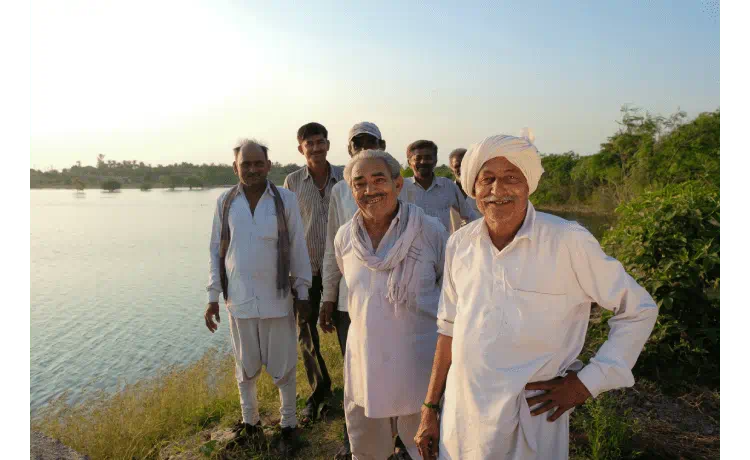
The recent pandemic has averted our attention from the alarming water crisis India is facing, however the distressing problem remains. With short memories, many have forgotten that 21 Indian cities ran out of water in 2019, and that unless something radical is done, we face a grim future when it comes to water.
Read more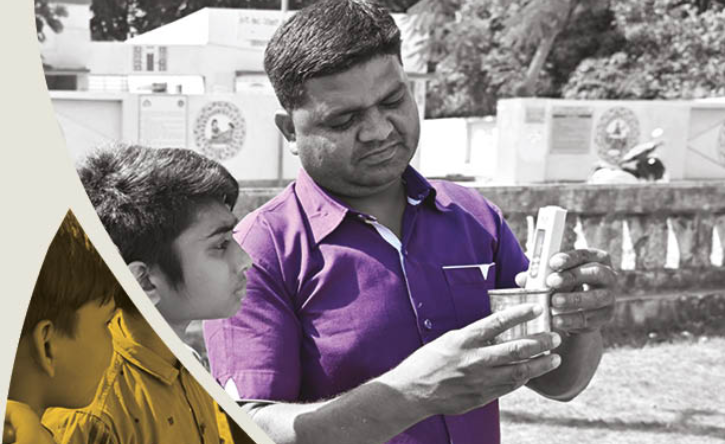
Hamirbhai is passionate about water, which is a perfect fit for his role as the community elected ‘Water Operator’ of his village. At just 37 years of age he has become an advocate in the district for promoting ‘water quality testing’ to prevent ill-health among villagers, and has been instrumental in turning the water situation around in over 13 communities.
Read more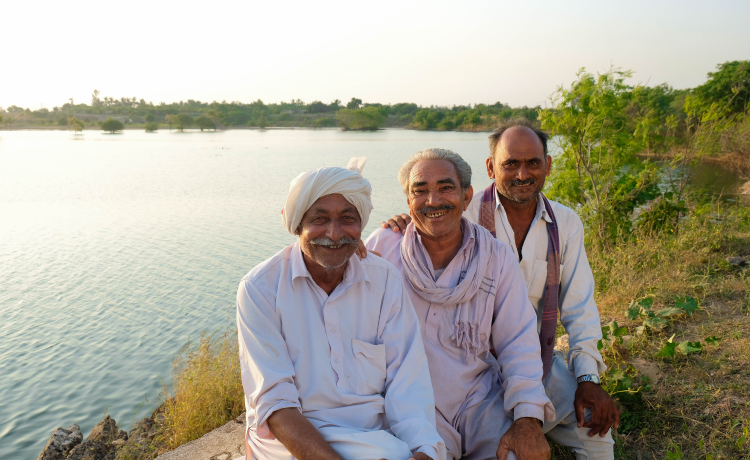
The overall aim of Ambuja Foundation’s Water program is ‘to create 'drought-resilient' rural villages and ensure all-year-round water for farmers, families, and communities.’ It's a lofty claim. So how do we know that we are, in fact, achieving it?
Read more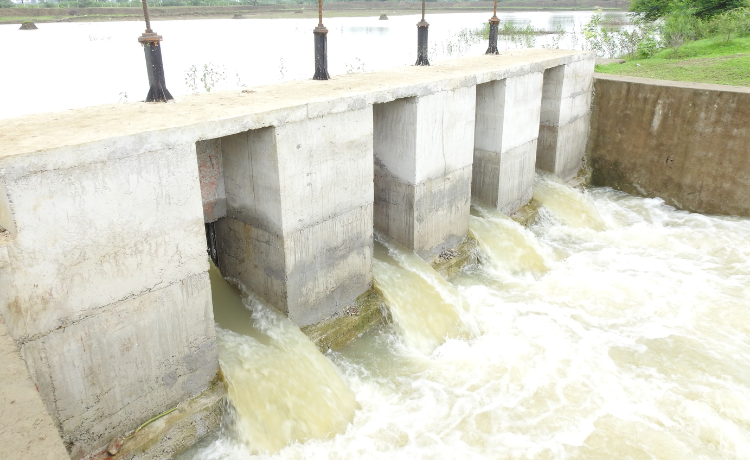
Since antiquity, water has been harvested in diverse and distinctive water structures. These include Ponds, Tanks, Lakes, Vayalgams (traditional tanks), Tars (traditional check dams), Khadins (streams) Bawdis (springs) and Talabs (small ponds).
Read more.jpg)
It has been 5 years since the launch of the Sustainable Development Goals. And whilst all of the Goals are important, SDG 6 (ensuring availability and sustainable management of water and sanitation for all) is of primary importance - because the health, food security, and the state of livelihoods in the country, hinge on our ability to provide water and sanitation for all.
Read more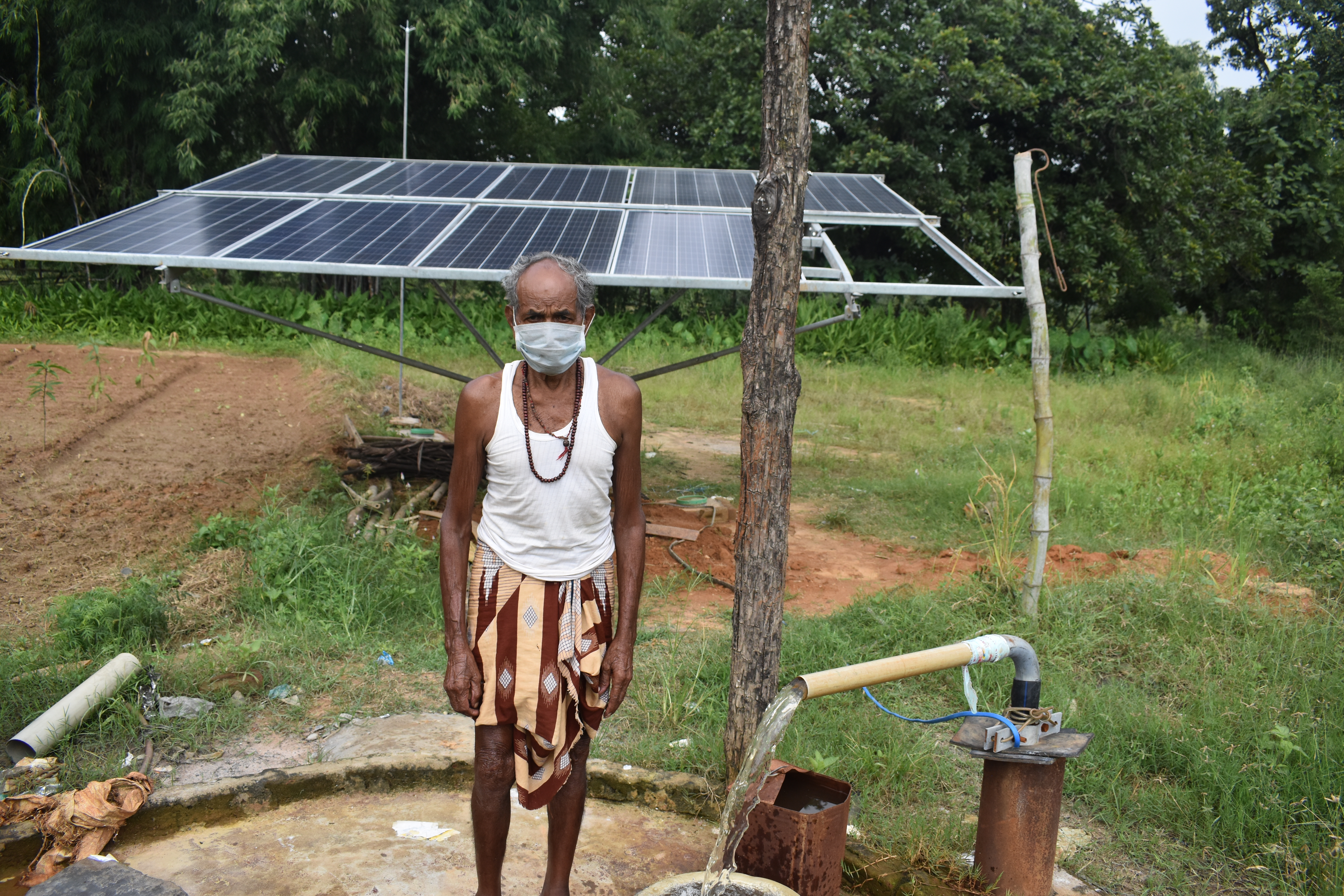
Marginal farmers in India often struggle with know-how or financial wherewithal to develop and manage efficient irrigation for their crops without depleting groundwater.
Read more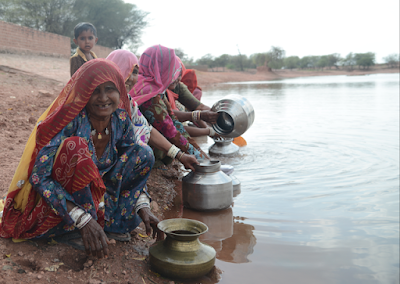
On the occasion of World Water Day, celebrated worldwide on 22nd March 2021, Ambuja Foundation organized a webinar focused on ‘Valuing Water’ with speakers and community representatives sharing insights on the importance of water for us and future generations. Along with the community members, Ms. Pearl Tiwari, Director & CEO, Ambuja Foundation and Mr. Shyam Sundar Paliwali, Padma Shree Awardee, were also a part of the event.
Read more
Ambuja Foundation Ambujanagar was awarded the 2nd National Water Awards 2019 by the Jal Shakti Ministry in the category of Best Industries for CSR activities. The award was presented by the cabinet ministry through a virtual ceremony on 11th November 2020.
Read more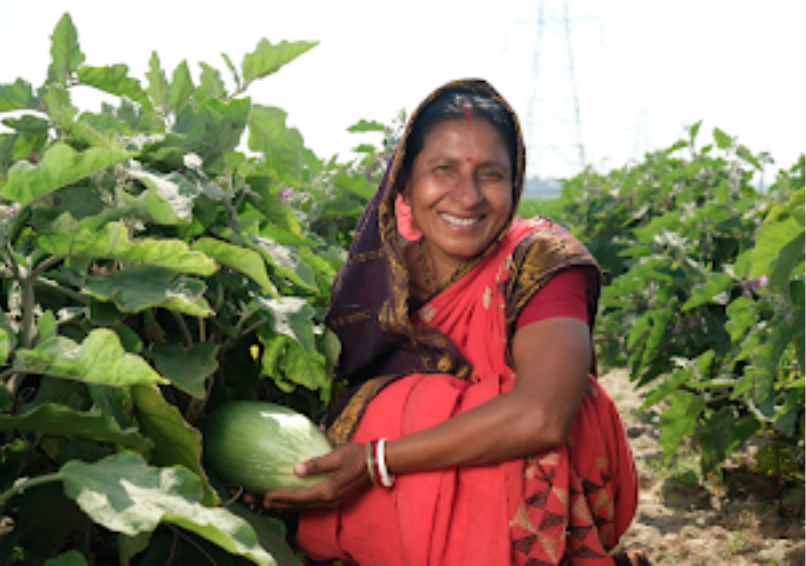
Did you know that 72.4% of India's workforce lives in rural areas? And that agriculture supports nearly 70% of this rural workforce? But with small land holdings and an over dependence on the monsoon, these livelihoods are often unsustainable. Couple that with outdated farming methods, lack of irrigation, and difficulty in accessing markets, and agriculture-dependent households quickly spiral down into a kind of poverty which is hard to break out of.
Read more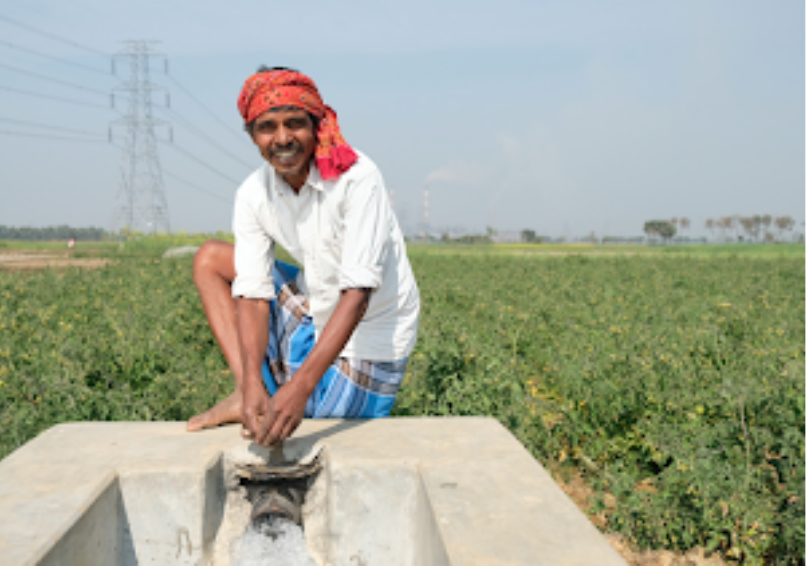
Ambuja Foundation's lift irrigation work in Farraka, West Bengal, has been featured in Village Square - a public interest communications initiative, focusing on rural India. The story outlines how Ambuja Foundation helped farmers expand from growing just 1 crop a year, to growing 2-3 crops per year.
Read more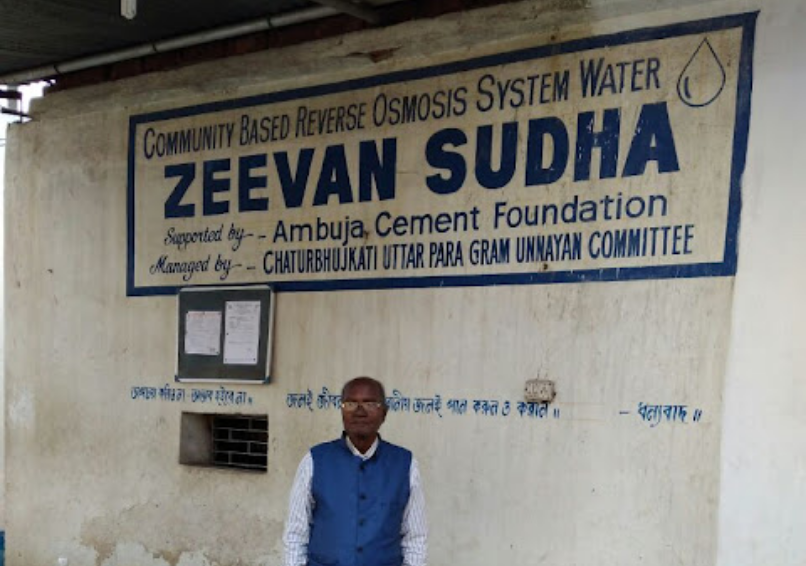
Back in 2013, villages of Sankrail Block (Howrah Dist. West Bengal) were gripped with a potable water crisis. The absence of piped water from the government water supply scheme had compelled the villages to rely solely on the fast depleting and contaminated ground water, which in turn had led to very high incidences of water borne diseases in the region.
Read more