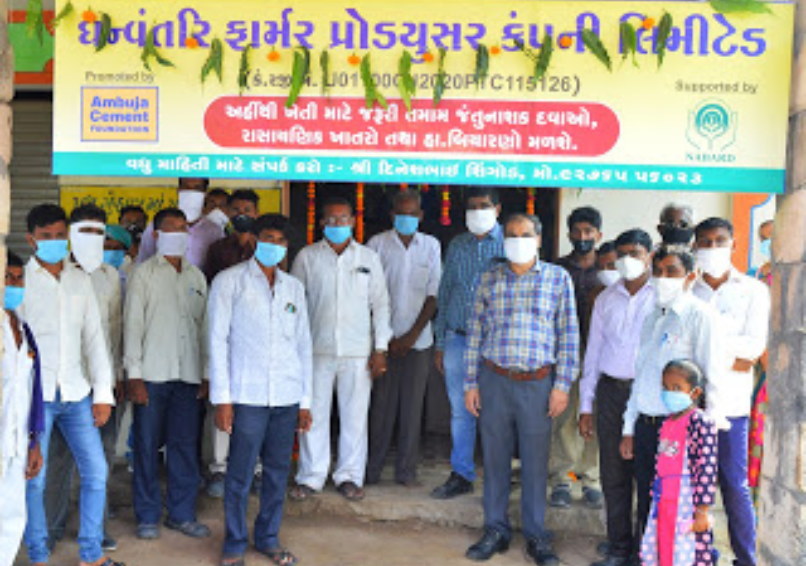
58% of India’s population depends on Agriculture as the primary source of livelihood. However, it contributes to only about 18% of the country’s GDP.
Read more






The future of farming hangs in the balance, where the average age of an Indian farmer was 50.1years, and only 1.2% of rural youth aspire to be farmers, according to the Annual Status of Education Report (2017) which surveyed 30,000 youth across the country.
Read more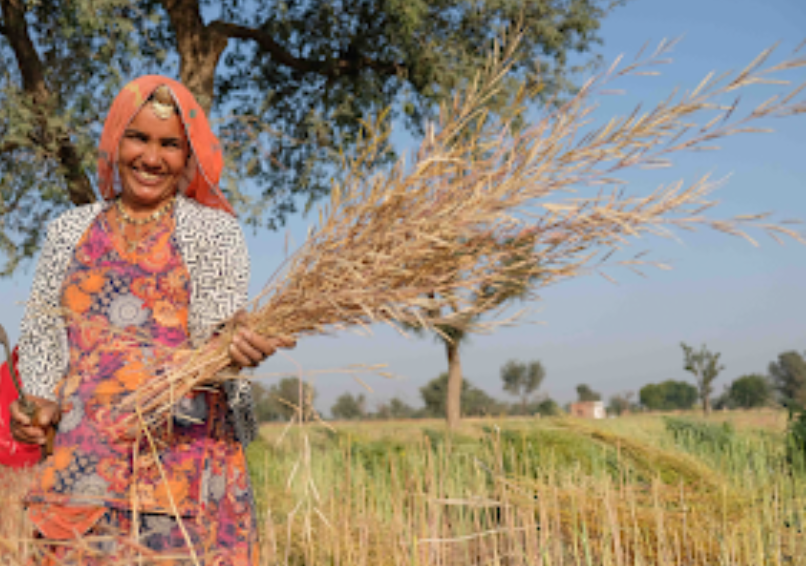
In a stimulating conversation with Thrive, J.P. Tripathi – DGM and vertical head for Agriculture at Ambuja Foundation reveals the most significant risks to agricultural livelihoods in India and how Ambuja Foundation has been addressing these risks.
Read more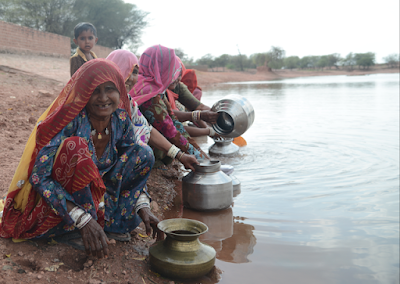
On the occasion of World Water Day, celebrated worldwide on 22nd March 2021, Ambuja Foundation organized a webinar focused on ‘Valuing Water’ with speakers and community representatives sharing insights on the importance of water for us and future generations. Along with the community members, Ms. Pearl Tiwari, Director & CEO, Ambuja Foundation and Mr. Shyam Sundar Paliwali, Padma Shree Awardee, were also a part of the event.
Read more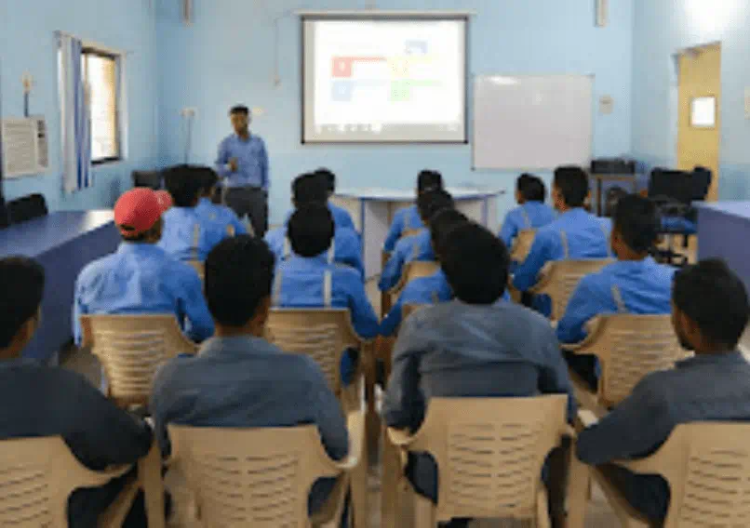
Under the Gramya Vikas Nidhi – Sanction, Ambuja Foundation was provided grant assistance from NABARD (National Bank for Agriculture and Rural Development) for implementing the ‘Employability through Skill Initiative Project
Read more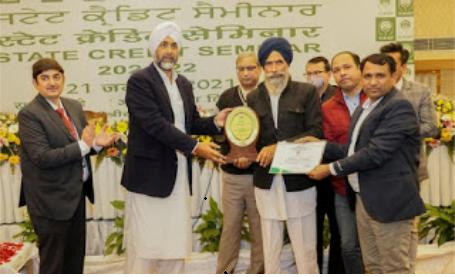
The Rupnagar Producer Company was recently adjudged the best performing FPO out of 103 FPOs in Punjab – making it the second time they have taken away this award.
Read more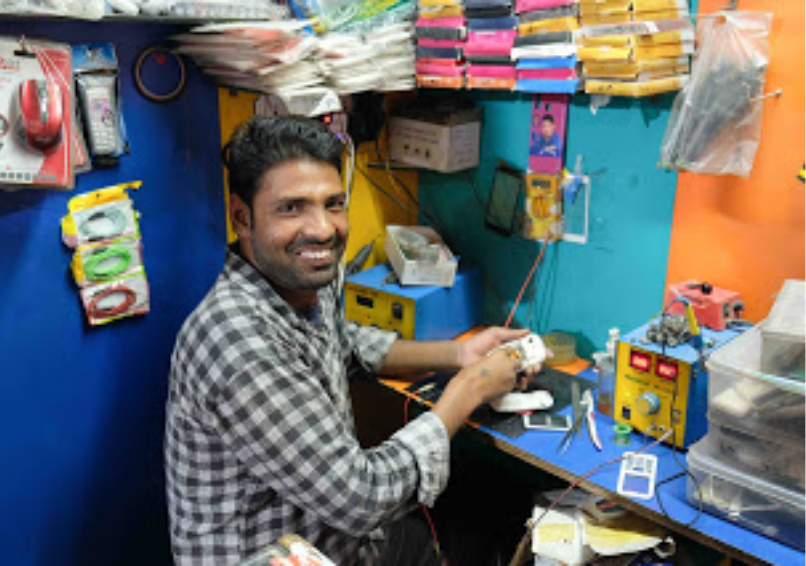
“In the online world, a start-up that has a valuation of more than a billion dollars is referred to as a ‘unicorn’.
Read more
Halfway between Jodhpur and Bikaner, on the edge of the Thar Desert, lies the city of Nagaur. Its main industries include spices and tourism, and youth in the area primarily turn to agriculture for jobs and a future.
Read more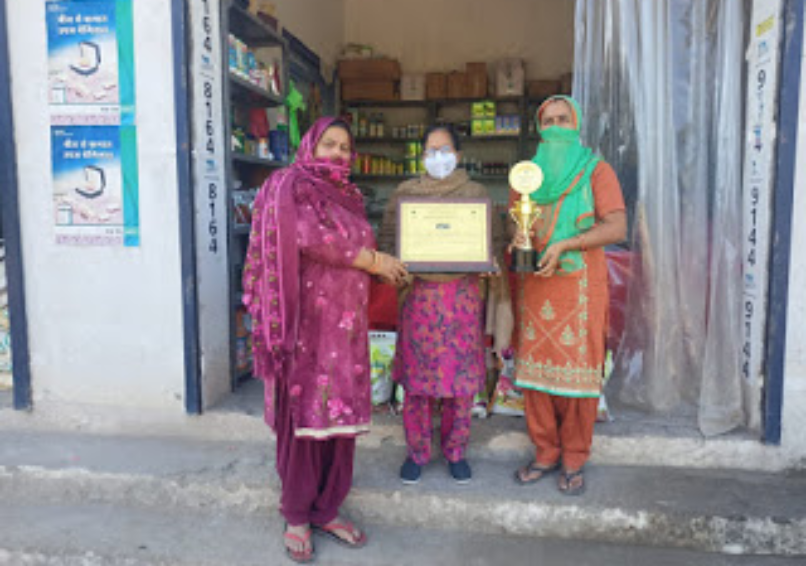
The Ambuja Foundation supported Shivam Milk Producers Co-operative Society in Nalagarh was felicitated by the Honourable Chief Minister Ram Thakur for the best work done by a Farmer Producer Organization in the areas of aggregation and marketing during the Himachal Pradesh State Credit Seminar organized by NABARD.
Read more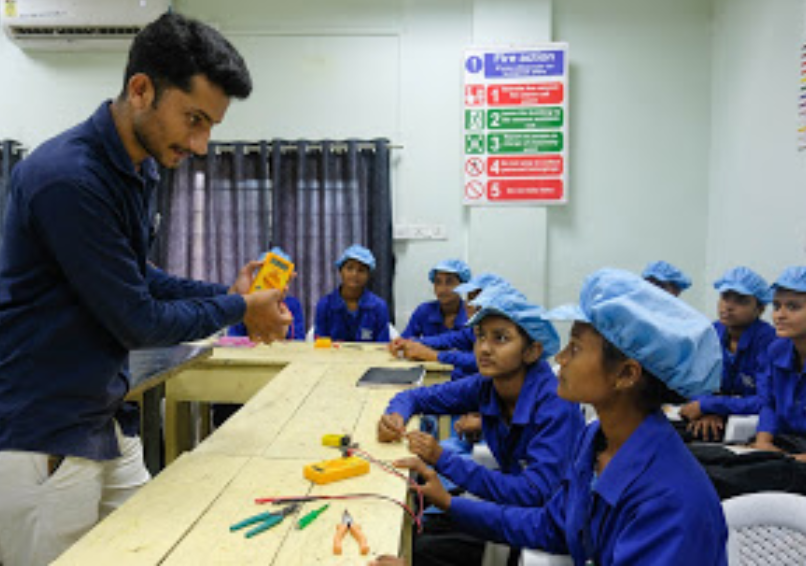
In an absorbing conversation with Thrive, Ravi Nayse, GM – Skill Development at Ambuja Foundation outlines the work A mbuja Foundation has been doing to enable rural youth to have a prosperous future.
Read more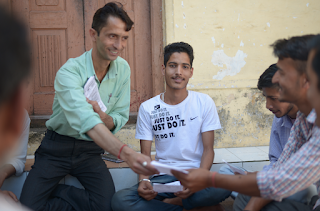
Mobilisation of rural youth for skill training programmes has always been a challenge. Traditional mindsets, youth aspirations, and an unwillingness to migrate to other towns/cities often stand in the way of youth enrolment.
Read more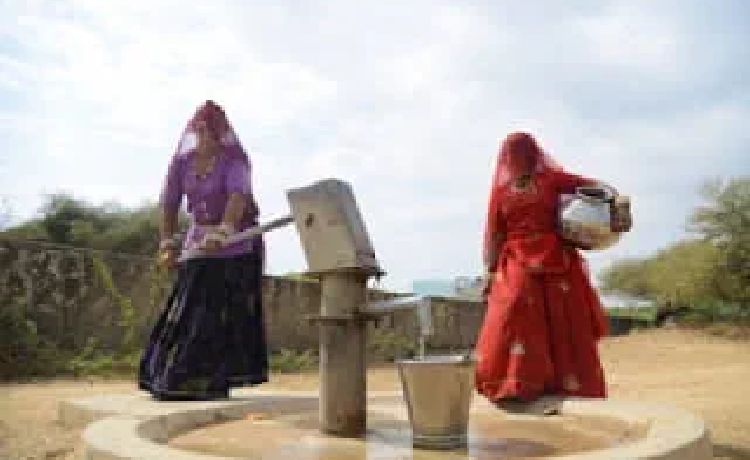
As a CSR implementation agency to numerous partners, Ambuja Foundation brings both relevant expertise and experience in leading and implementing CSR projects at scale. Here are three partnerships that are today enabling people in rural India.
Read more