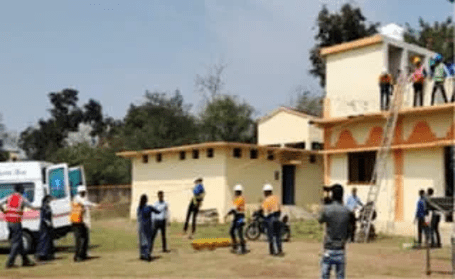
Health and Safety (H&S) has been a primary focus of Ambuja Foundation across all programs with customized interventions for different target audiences. Whilst the majority of the year saw efforts focus on COVID-19, the team still managed to carry out a variety of interventions at the beginning of the year at SEDI:
Read more





Companies in India have adopted different methodologies in planning and implementing their mandated CSR interventions, within the ambit of the CSR law. Two broad trends have emerged - the first being partnering with an external not-for-profit implementation agency and the second being direct implementation through own registered corporate foundation.
Read more
Thrive addresses some of the most asked questions on Ambuja Foundation's corporate partnerships through a conversation with Manoj Agarwal - DGM at Ambuja Foundation.
Read more
Given the increasing trend of corporates partnering with external CSR implementing agencies to execute their CSR, the task of ascertaining the credibility and efficacy of an implementing NGO is daunting for many corporates.
Read more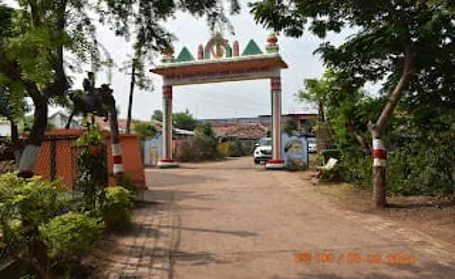
On 29th April, 2017,Mangi Budruk village was declared a Smart Village and awarded a cash prize of Rs 10 lakh by the Govt of Maharashtra. Yet a little over a decade ago, barely 10 of its 234 households even had a toilet.
Read more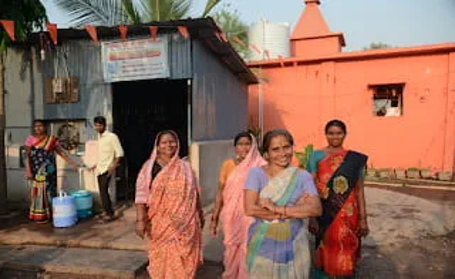
Throughout the world, people want the same things - access to clean air and water; economic opportunities; a safe and healthy place to raise their kids; shelter and a say in the decisions that affect their lives.
Read more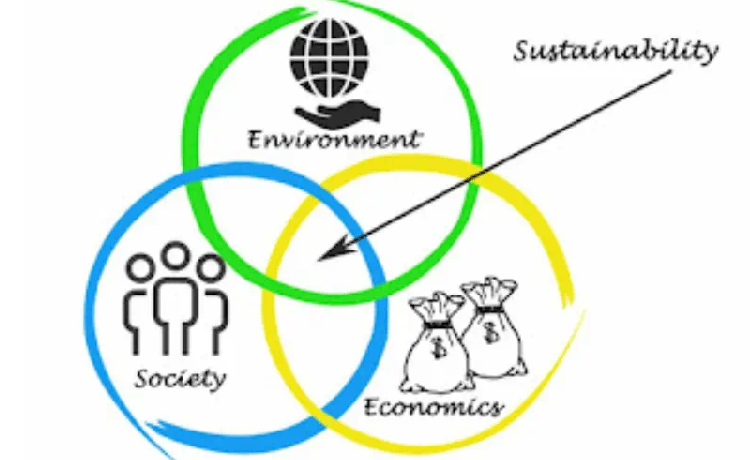
"Whenever we have enabled communities to chart their own progress, they have reached far greater heights," points out Pearl Tiwari - CEO of Ambuja Foundation in this riveting interview with Thrive.
Read more
Anita Nayak from Jaitaran belongs to a low income group with her father being the only breadwinner of the family. A challenge to make ends meet on a daily basis, farmers in eastern Rajasthan are known to have difficult lives due to the lack of water availability which affects their crop production. But while Anita worked hard in her studies and completed her graduation, she still couldn't secure a decent job.
Read more
A variety of opportunities exist for experienced and passionate development sector professionals to join the 'Ambuja Foundation Parivar.' The following vacancies are available at Ambuja Foundation locations and interested candidates should send their CV along with a cover letter to ceo.acf@ambujafoundation.com
Read more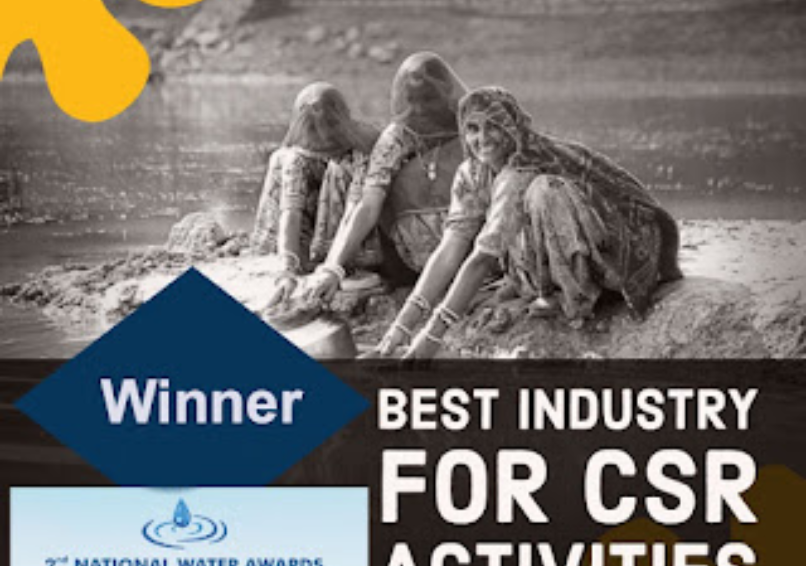
Ambuja Foundation Ambujanagar was awarded the 2nd National Water Awards 2019 by the Jal Shakti Ministry in the category of Best Industries for CSR activities. The award was presented by the cabinet ministry through a virtual ceremony on 11th November 2020.
Read more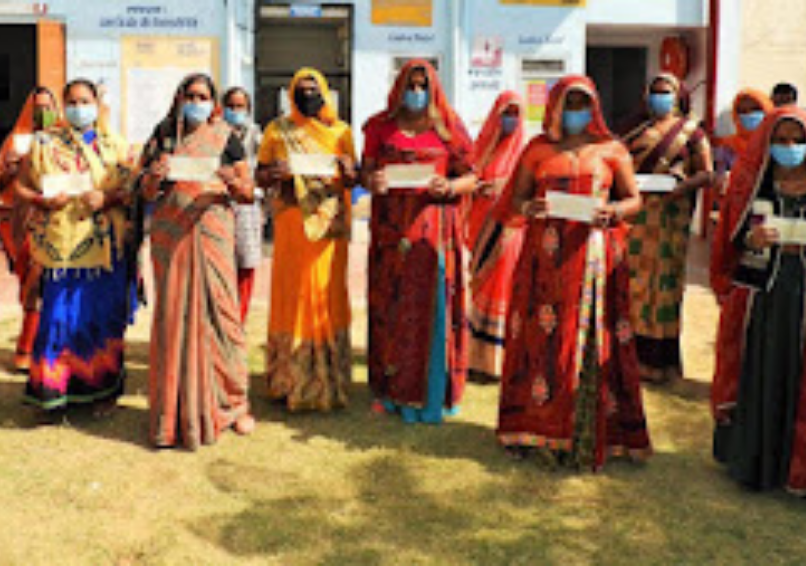
SEDI Chirawa took an innovative route to encourage more women enrollment and job continuity post training - by honouring the female trainees' mothers. For each female trainee who spent more than 6 months at her workplace, her mother was felicitated with a cheque of Rs. 5,000/- at a public function.
Read more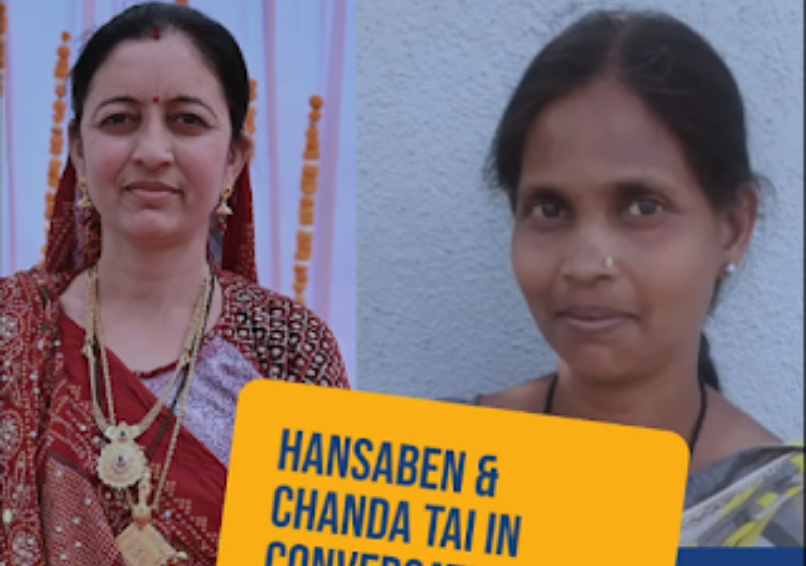
Household Toilets provide not only hygiene but also offer security to women. Two of our crusaders for #sanitation, Chanda Tai from Chandrapur, Maharashtra & Hansaben from Kodinar, Gujarat share their incredible experience on changing behaviour & mindsets towards toilets in their communities with Big FM's RJ Rani.
Read more