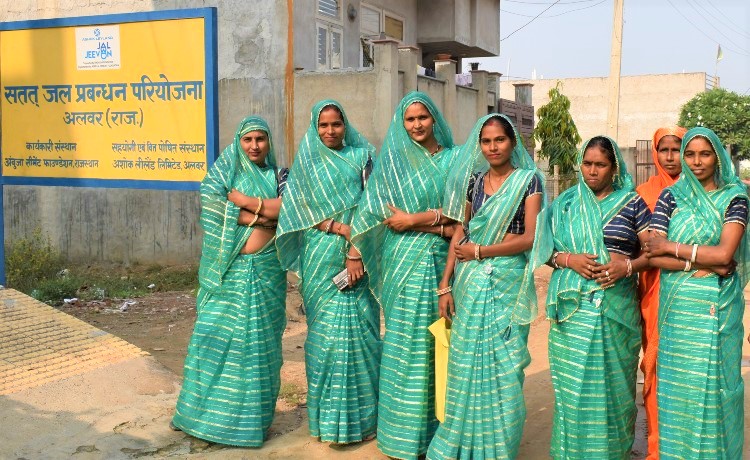
In rural India, where people are dependent on groundwater or weekly municipal water supply, getting fresh water every day is a major household chore, mostly shouldered by women. On an average, it takes about three hours to fetch water to meet the needs of a family of four - a rough estimate for when the water source is within a 2 to 5 km radius.
Read more





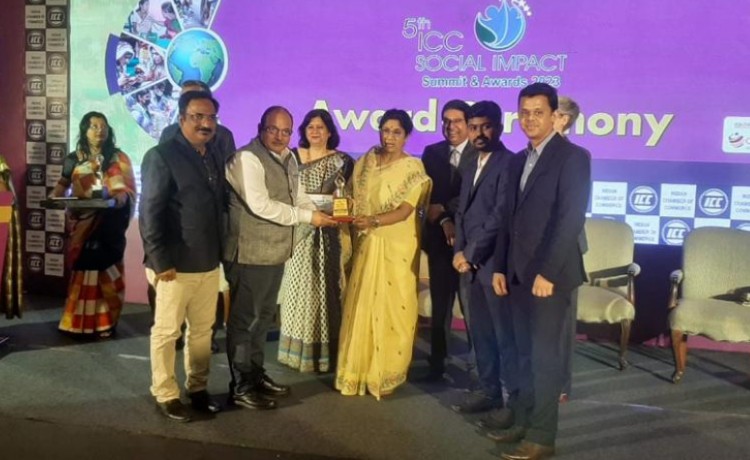
Ambuja Foundation won the Indian Chamber of Commerce Social Impact Award 2023. The foundation has been awarded for its work in skills and women empowerment category in Sankrail, West Bengal and Bhatapara, Chattisgarh. The ICC Social Impact Awards is an initiative of the Indian Chamber of Commerce (ICC) in which the Chamber engages with Corporate entities, NGOs and implementing agencies to recognize them for exemplary work done in the field of social investment, CSR and sustainability on a PAN India basis.
Read more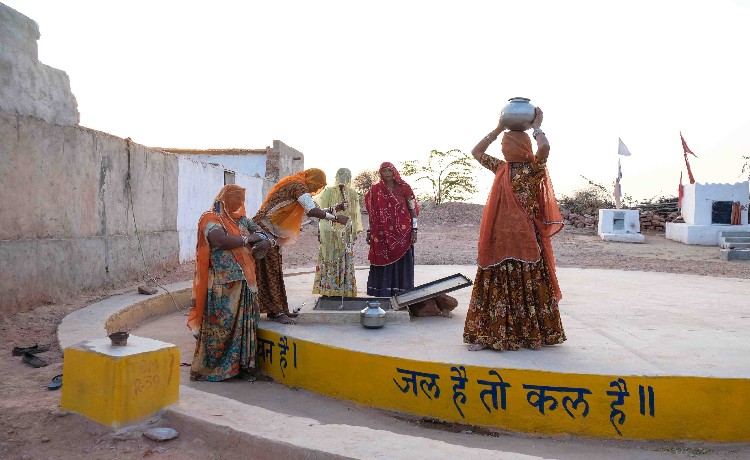
In a vast developing country like India with deeply entrenched gender divides, the words ‘water’ and ‘women’ are synonymous with one another. For it is on the shoulders of the women of the family, where the responsibility of collecting water, rests. And as water becomes more and more scarce, it is a heavy, and unfair burden to bear – particularly with its impacts exacerbated by the consequences of climate change. As water scarcity, heatwaves and droughts become more widespread, women and girls find themselves walking greater distances to fetch water.
Read more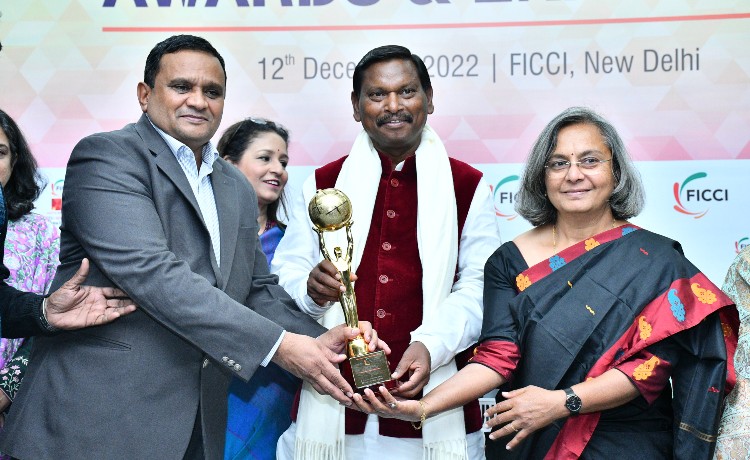
Ambuja Foundation, part of Adani Group has won FICCI CSR Award for the company in the women empowerment category. The award has been presented at the CSR Summit in the attendance of all highly esteemed representatives from the industry.
Read more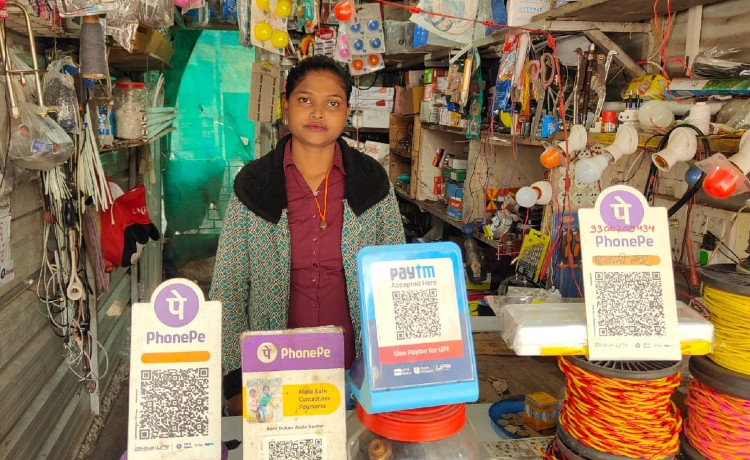
Shivani Sahu from Khajari village is a hardworking girl who decided to buck the trend and join the male-dominated electrical course. After training, she was placed in Snyder Company, Hyderabad, where her salary was ₹ 11,000. However, due to poor health, she left the job and came back to Chhindwara – securing another job at Wire Harness Company Pithampur where her salary was ₹ 10000.
Read more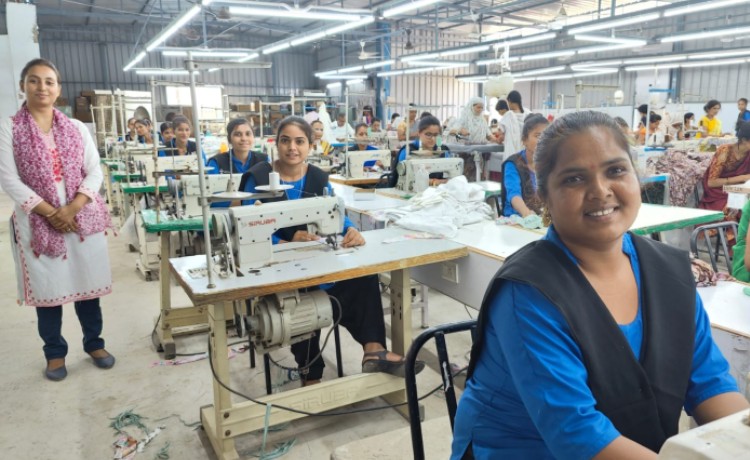
Priyanka Sahu was a goal-oriented girl, but due to her family background could not complete her schooling and was married off early. As a mother of 2 living in a joint family, she used to stitch her own clothes at home to earn extra money. She later came to know about the Sewing training program at SEDI and planned to build a career in sewing. During her 3 months of training, she learned a lot of new things like how to make a suit, blouse, and shirt. She also upgraded her public speaking skills through the soft skill classes and with newfound confidence, Priyanka is now an entrepreneur and has her own boutique.
Read more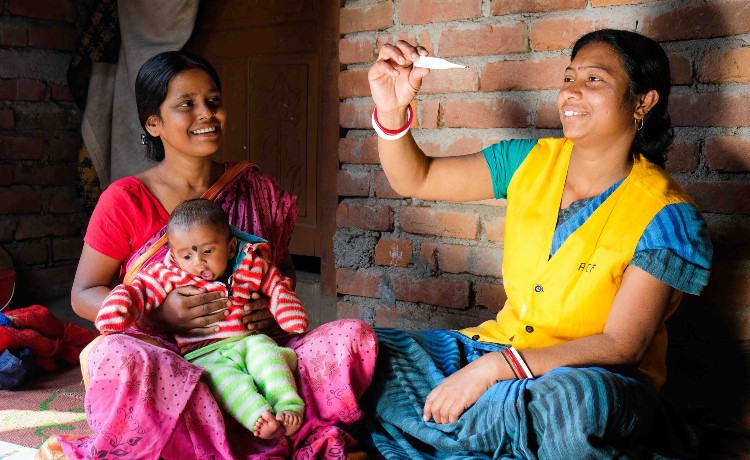
A 'neonatal death' is defined as a death during the first 28 days of life and globally, this period carries the highest risk of mortality, per day, than any other period during childhood.
Read more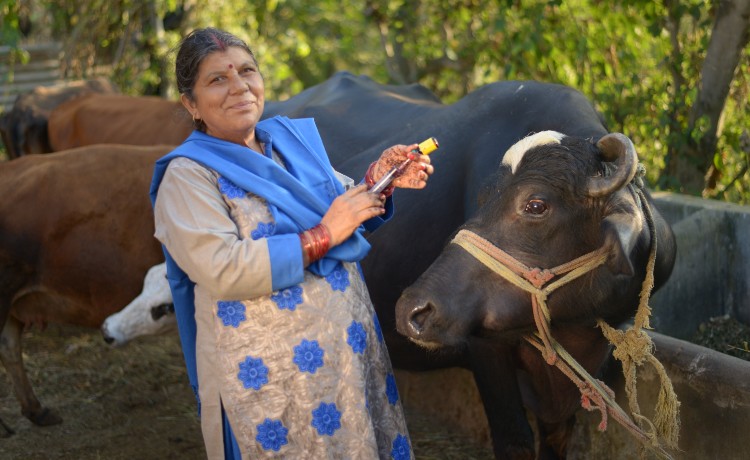
“In Darlaghat, Himachal Pradesh, livestock are a major source of income for families. A big challenge however, was access to timely, good quality veterinary care.
Read more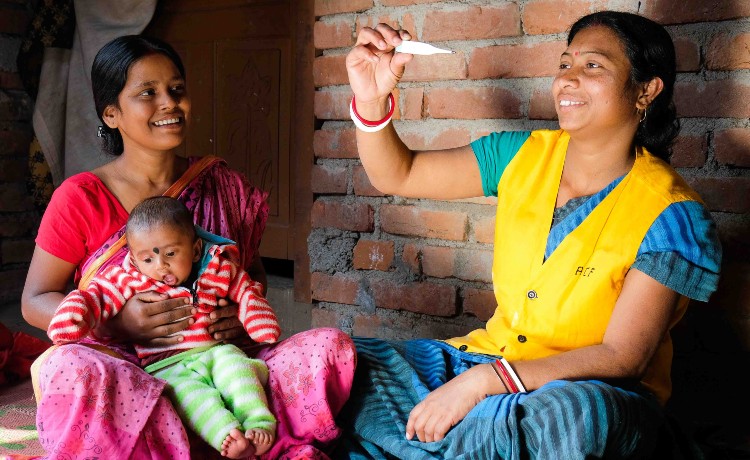
My husband and mother in law never used to let me do anything – my existence was limited to home! But I wanted more for my life.
Read more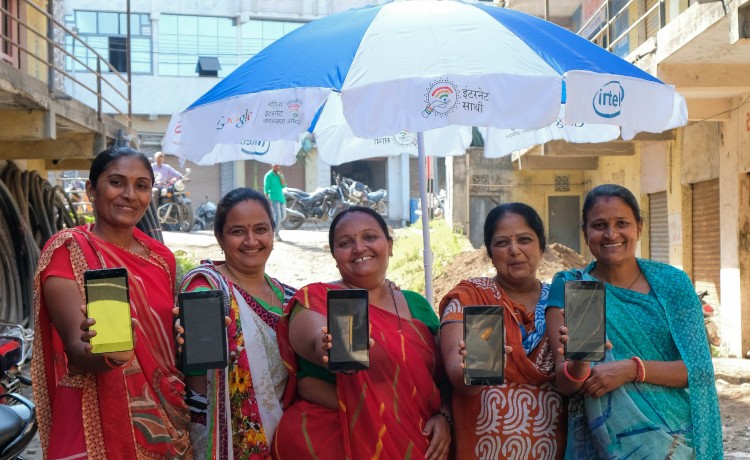
“When Ambuja Foundation approached me to implement the internet saathi project, I was not very sure. Forget the internet - women, including me, didn’t even own a smartphone!
Read more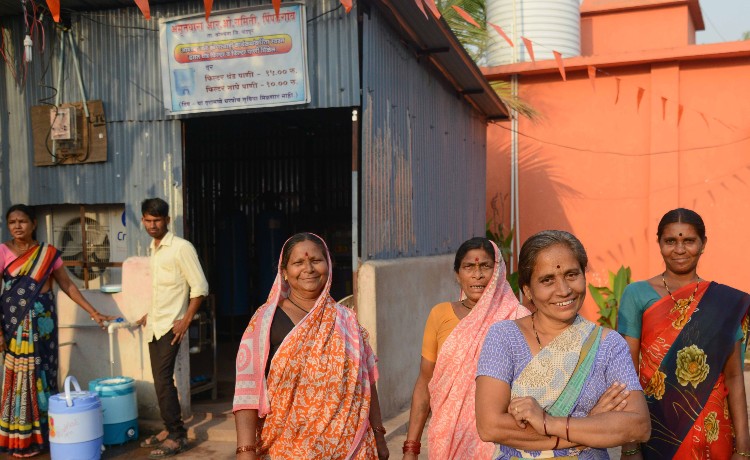
“A special invitation for 'loans' went out to SHGs from the Women's Federation of Chandrapur in 2015. Usually provided for small businesses, weddings or for buying a house/vehicle, this was the first time loans were being offered for toilets.
Read more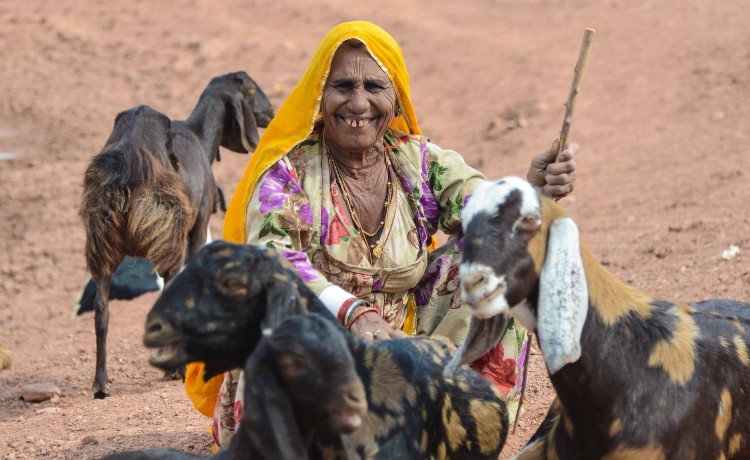
‘We are goat people – we’ve always had goats, long as I can remember. My son was volunteering with Ambuja Foundation and learned a lot of new things about the goat business so he could support others in the community. He would come home and tell me all about it, so while I started out with 25 goats, I built up the herd to 50 in just 12months by giving timely vaccination and deworming them.
Read more