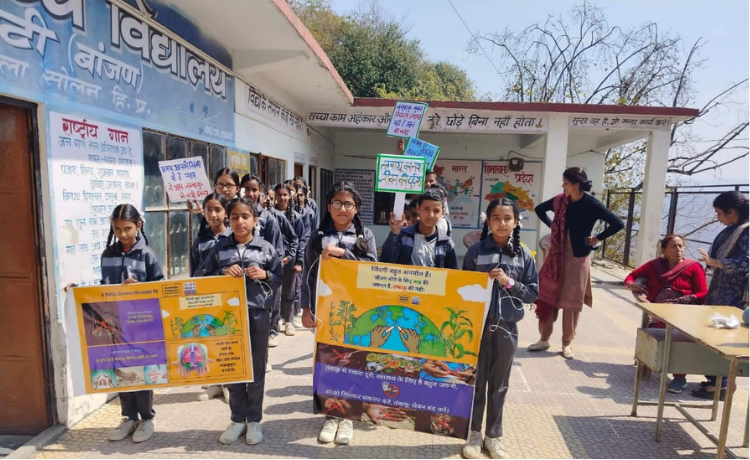
Whilst the fourth WHO global tobacco trends report highlighted a reduction in global tobacco users, low and middle-income countries remain at the forefront of the problem. Home to around 80% of the 1.3 billion tobacco users worldwide, countries like India are massive markets and opportunities for tobacco companies to recruit new tobacco users.
Read more





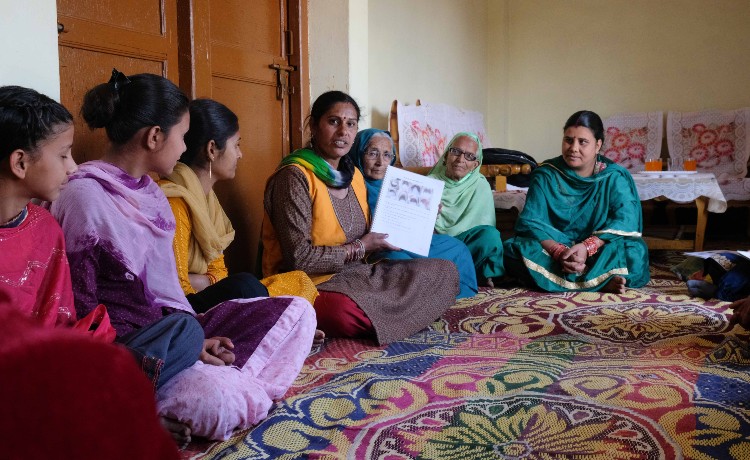
Breast cancer is the most common cancer among women globally - also topping the list of cancers among women in India. However in rural India, women barely know about breast cancer, fear examination and have to defend a host of social and cultural taboos - leading to delayed detection, and a higher risk of mortality.
Read more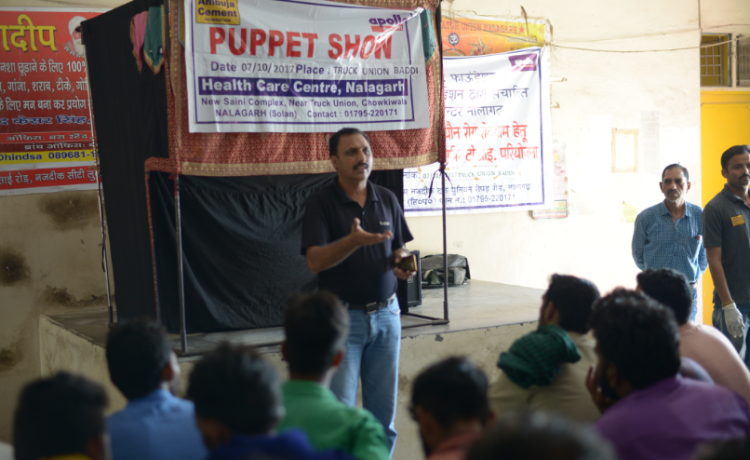
This year marks a decade since Ambuja Foundation and Apollo Tyres Foundation partnered together to initiate health interventions for truckers in India. Ms. Rinika Grover, Head - Sustainability & CSR at Apollo Tyres Ltd, speaks at length about the power of ‘going together’ when it comes to CSR.
Read more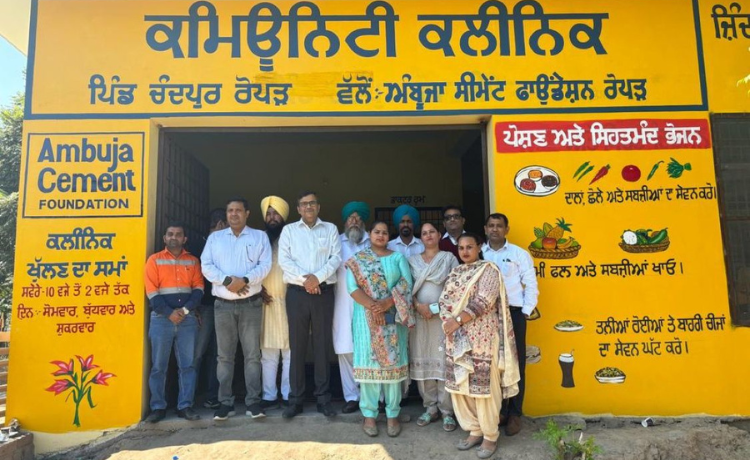
We have a new community clinic in Chandpur, Ropar, Punjab, taking our total to 13 community clinics completely setup and facilitated by Ambuja Foundation across Chandrapur, Bhatapara and Ropar.
Read more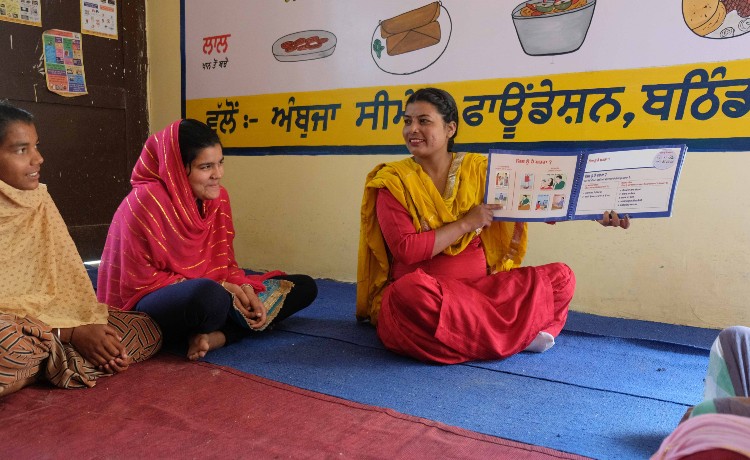
The women in Mehma Sawai were having a lot of issues with their health, but with the Primary Health Centre located 4 km away and without transport, they sat back and ignored it.
Read more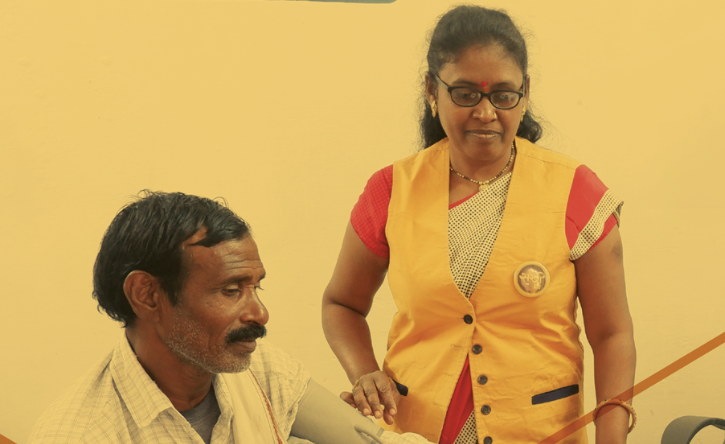
Rural India accounts for nearly 69% of the total population, yet only has 26% of total hospital beds and 33% of total healthcare professionals. A popular way in the past to address this vast need, whilst ensuring last mile reach, was the Mobile Medical Van (MVM) model – with both the government, and private NGOs like ACF, running MVM programs to tackle pressing rural health needs.
Read more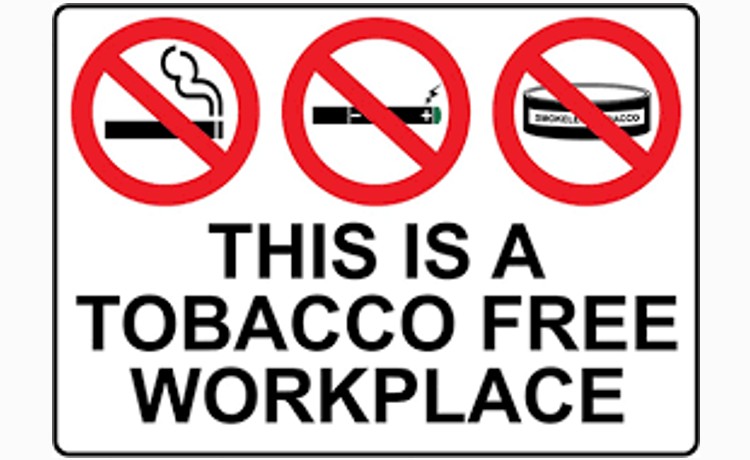
In continuation of interventions on Non-Communicable Diseases in rural areas, Ambuja Foundation is moving forward towards creating a ‘Tobacco Free Workplace’. This initiative is being rolled out in partnership with Narotam Sekhsaria Foundation under its LifeFirst program – an evidence based tobacco-dependence treatment program - and will reach 1500+ Ambuja Foundation staff across locations and project sites.
Read more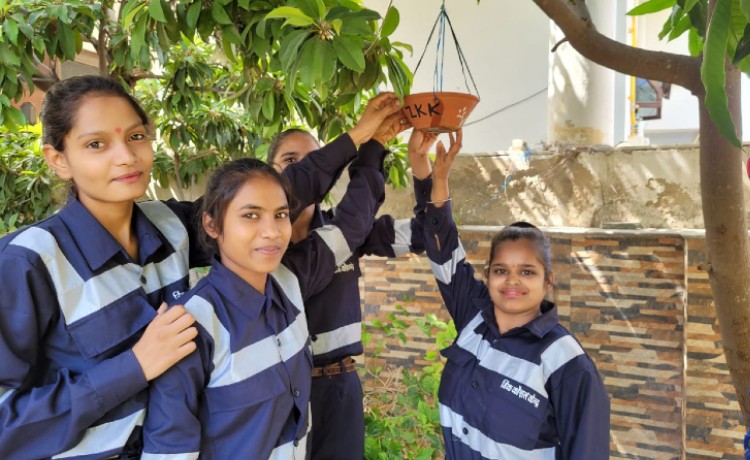
Every year around the world, humans take action to save the environment with various proactive celebrations on 5th June. This year, Ambuja Foundation was no different, with the team planning various activities for stakeholders to raise awareness of the issue of the depleting environment and the effect it will have on us.
Read more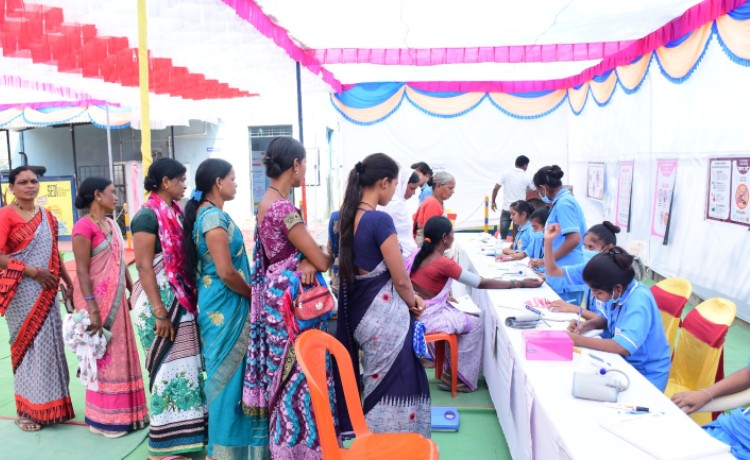
As part of a 3-day inaugural event, Ambuja Foundation collaborated with Association of Breast Surgery, UK (ABS) along with its counterpart Association of Breast Surgeons in India (ABSI) and Tata Cancer Care Program, Chandrapur, to introduce Continuous Medical Education specific training on Cancer Awareness in the rural communities of Chandrapur, Maharashtra.
Read more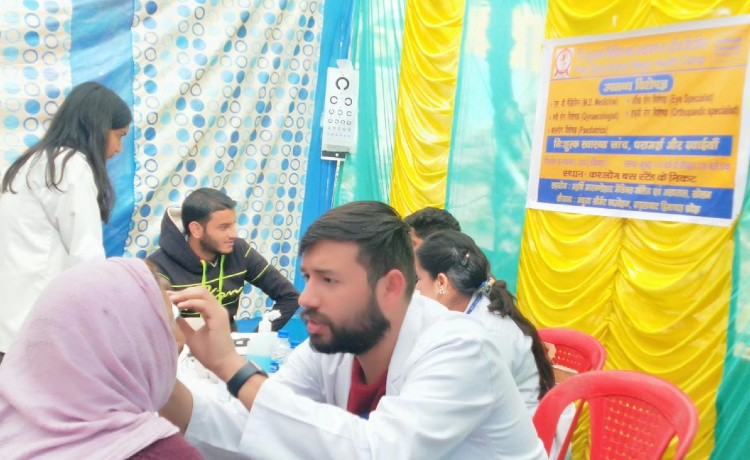
Under the joint partnership of Gram Panchayat Kashlog (Himachal Pradesh) and Ambuja Foundation, a free medical health camp was organized in Kashlog with the Maharishi Markandeshwar Hospital, Solan.
Read more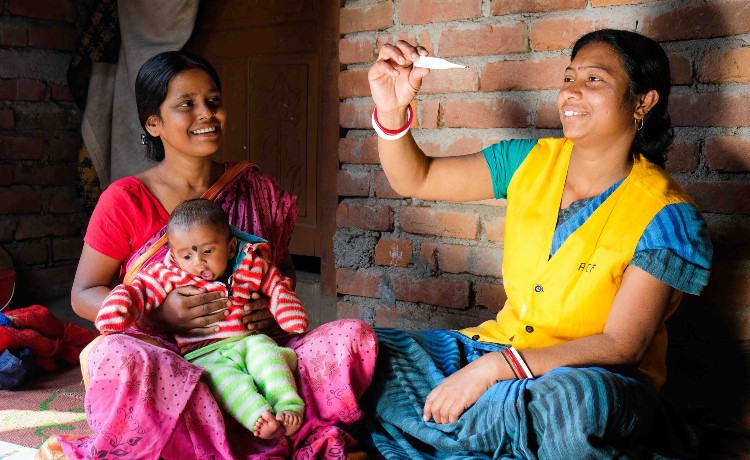
A 'neonatal death' is defined as a death during the first 28 days of life and globally, this period carries the highest risk of mortality, per day, than any other period during childhood.
Read more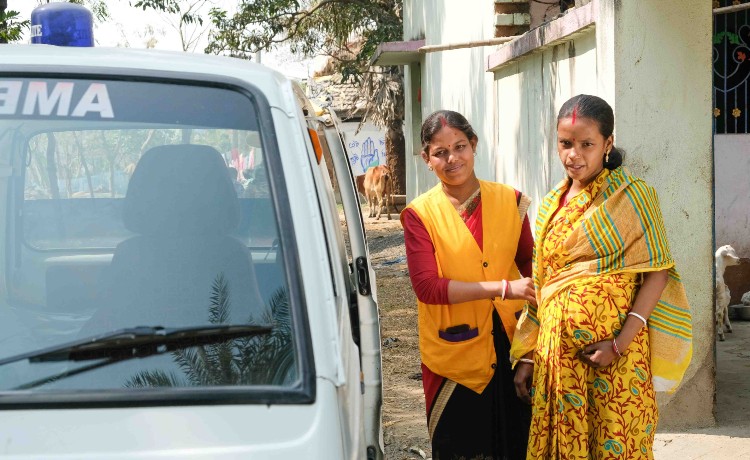
“A 'neonatal death' is defined as a death during the first 28 days of life and globally, this period carries the highest risk of mortality, per day, than any other period during childhood. In 2014 in Farakka, West Bengal, the neonatal mortality rate was incredibly high - 43.85 out of every 1000 - compared to a national rate of 28.
Read more