.png)
As a 12-year-old boy, Dadi Shiva along with his father would sleep beside the canal regulator during irrigation season.
Read more





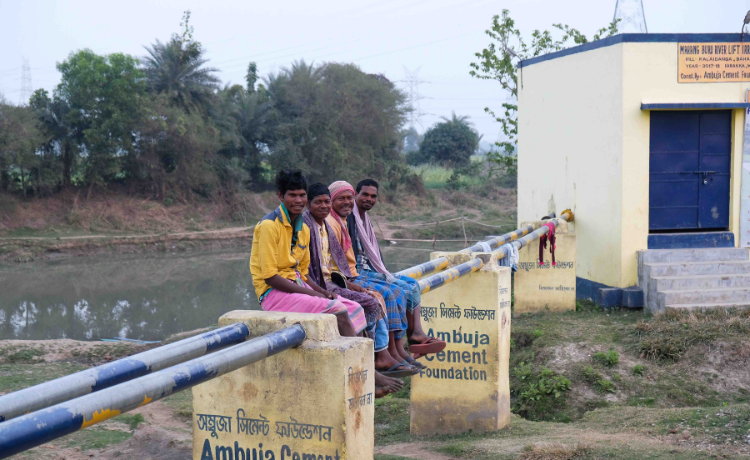
Addressing the irrigation challenge in twenty-three villages in Farakka town, Murshidabad, West Bengal, Ambuja Foundation supported 5700 farmers in building River Lift Irrigation systems adopting multi-cropping practices and doubling their incomes.
Read more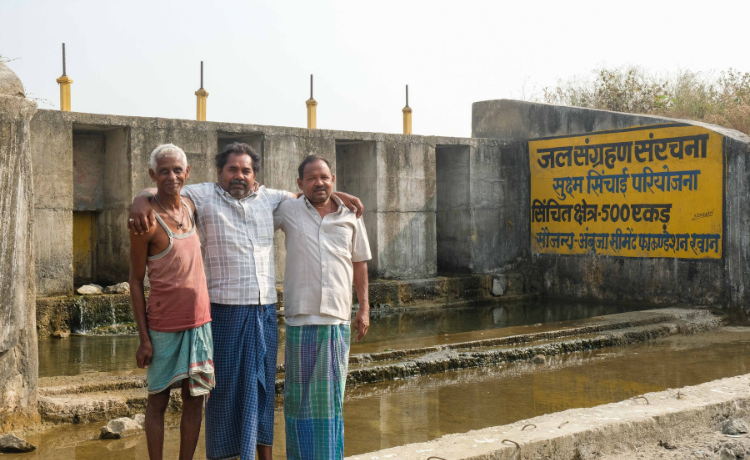
CRISIL SROI study confirms that 10X social return from Ambuja Foundation‘s rural development initiatives of water resource management in Chhattisgarh.
Read more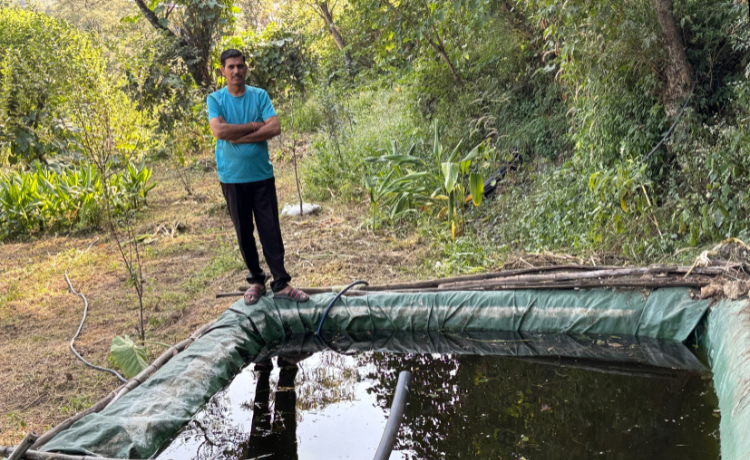
In the heart of rural communities across the globe, the threads of water, health, and agriculture are intricately interwoven—each one reinforcing and depending on the others.
Read more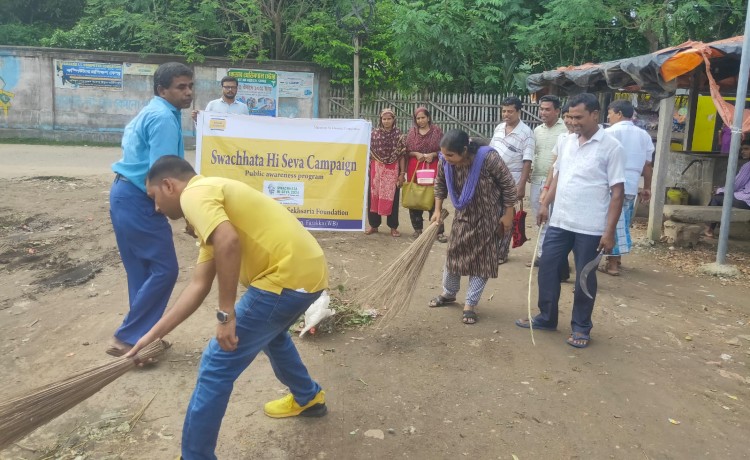
Ambuja Foundation, a pan Indian social development organization dedicated to transforming rural communities has successfully undertaken multiple activities to play its part in the ‘Swachhata Hi Seva Campaign’ organized by the Central Government from 17th September to 2nd October. This initiative aims to reignite the spirit of collective action and community participation in cleanliness efforts across India.
Read more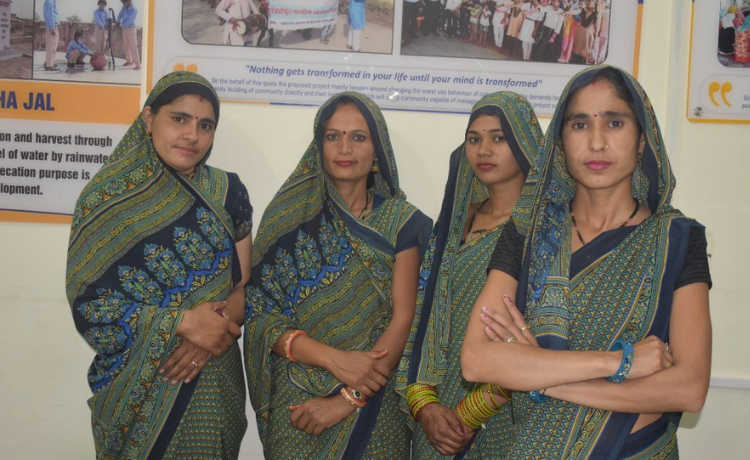
When Ambuja Foundation, Ashok Leyland and Hinduja Foundation joined forces to improve the water situation in 5 villages of Alwar, Eastern Rajasthan, the men of the village denied that water was a problem. Tubewells used for irrigating crops had a 300-400 metre water accessibility and so they felt water was not a high priority.
Read more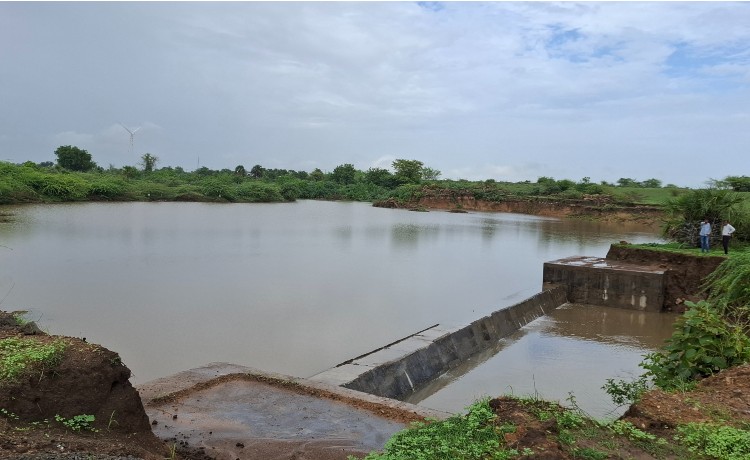
Ambuja Foundation, in partnership with Indian Hotels Company (IHCL), have announced the Integrated Water Resource Development Project, an initiative aimed at combating water scarcity and soil salinization in the Gir forest and the coastal zones of Una and Gir Gadhada in Gujarat. This strategic collaboration will implement sustainable solutions that will positively impact the livelihoods of communities in the region.
Read more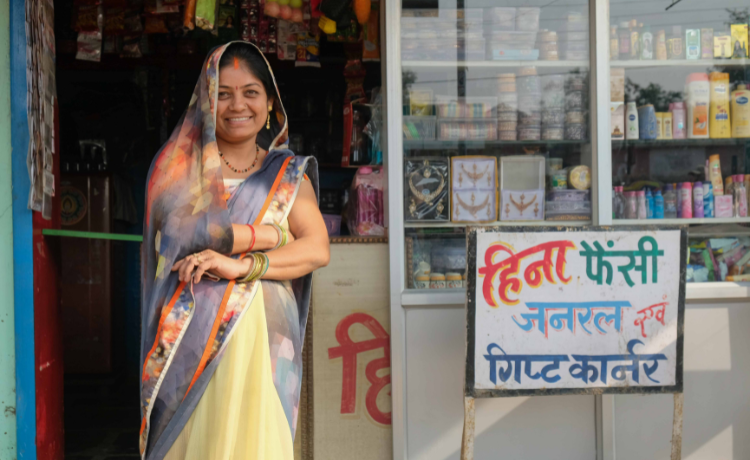
In India, women-led nano enterprises are quietly reshaping the business landscape. Despite facing challenges like limited resources and navigating a dynamic market, these ventures, primarily run from homes, are thriving, with the majority operating outside the traditional brick-and-mortar model. Efforts to promote self-employment among women, particularly through home-based businesses, have intensified, with government and private initiatives offering schemes for credit, training, and incubation programs tailored to women, leading to an increase in nano enterprises.
Read more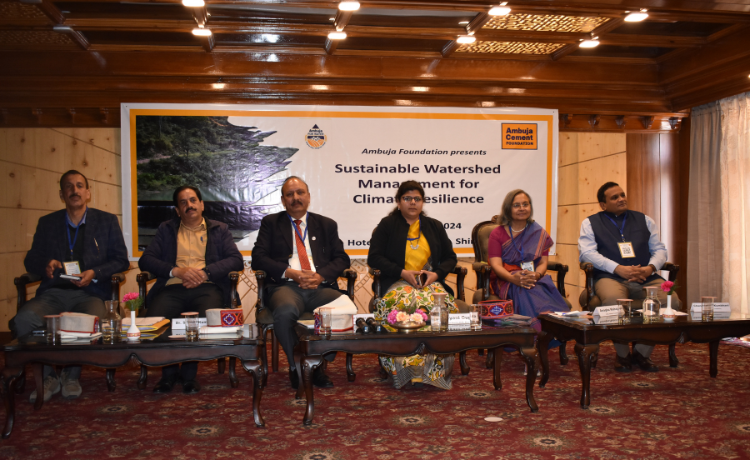
Ambuja Foundation convened a pivotal event titled "Sustainable Watershed Management for Climate Resilience" in Shimla, Himachal Pradesh in March 2024. This one-day gathering served as a significant platform to illuminate the prevailing water dynamics in the region, the challenges faced, and underscores the critical nexus between water management and climate change impact.
Read more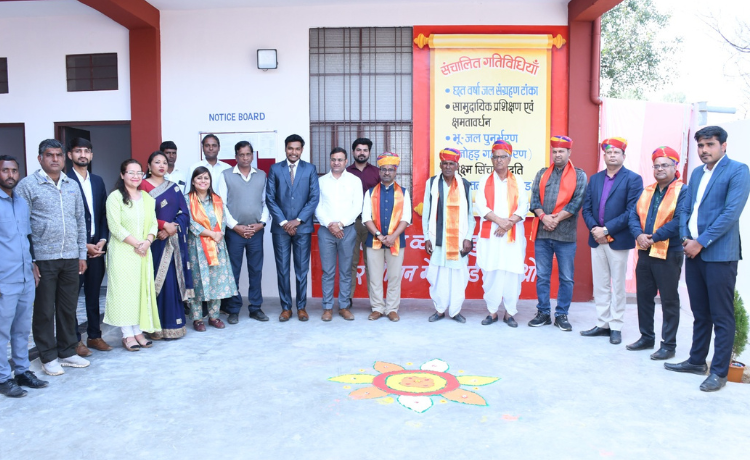
In an innovative endeavor to address the pressing issue of water scarcity and to fortify the community's resilience against water-related vulnerabilities, as a part of its CSR initiative, Prince Pipes and Fittings Limited along with Ambuja Foundation has taken a significant stride by launching a comprehensive water harvesting project in Chomu district of Rajasthan. The initiative in association with Prince Pipes and Fittings Limited aims at reviving the non-functional, redundant water bodies, creating new water facilities and rejuvenating groundwater across the location.
Read more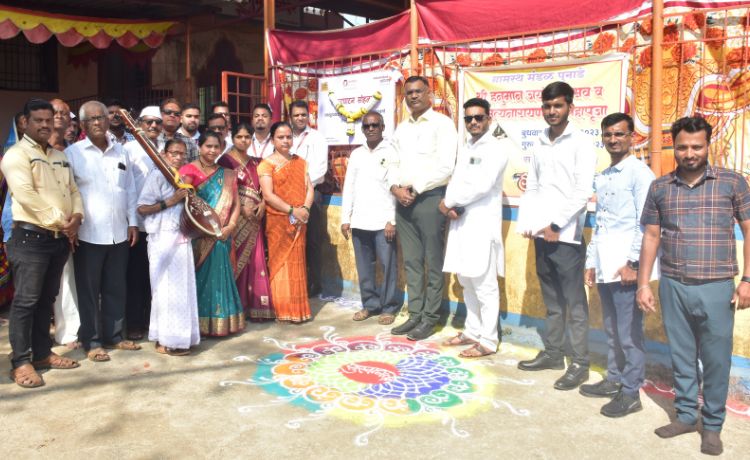
Ambuja Foundation, known for its various efficient water management programs, today announced its partnership with IndusInd Bank to launch the integrated Water Resource Management Program (IWRMP) in the Mahad area of Raigad district in Maharashtra. The collaborative initiative aims to confront and address the various challenges concerning water and agriculture that prevail in nine different villages of the Gandhari Catchments Cluster in the region.
Read more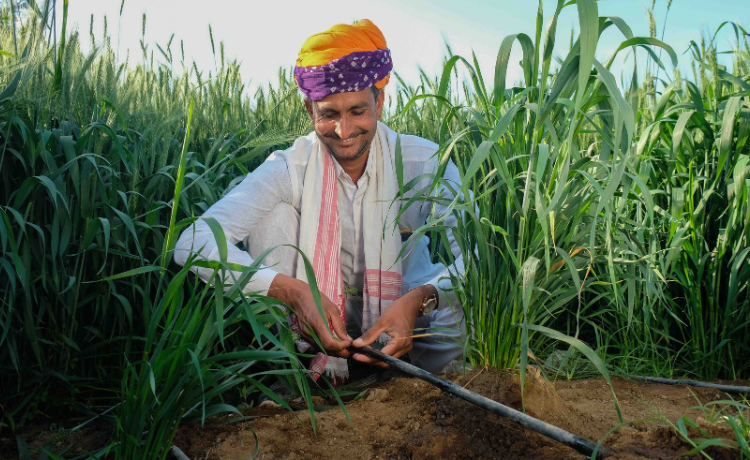
Climate change is here. Beyond doing everything we can to slow the pace of global warming, there is a need to adapt to, so that we can protect ourselves, our livelihoods, and our communities. While the case for adaptation is clear, many communities who are most vulnerable to climate change are actually the least able to adapt - they are poor and in developing countries already struggling to provide the basics, like healthcare and education!
Read more